5 Benefits of Route Optimisation
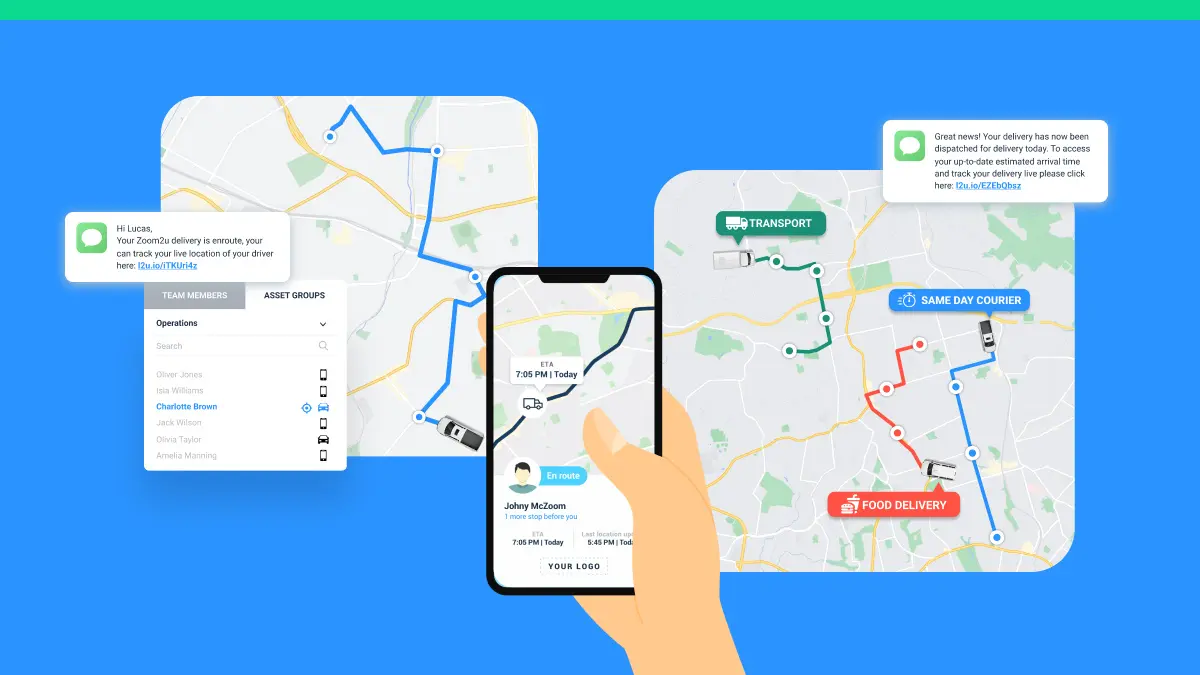
Route optimisation is one of the most impactful changes a delivery or field service business can make. Instead of relying on manual planning, guesswork, or outdated maps, route optimisation software calculates the most cost-efficient routes for your drivers by factoring in stop locations, time windows, vehicle capacity, traffic patterns, and driver availability.
For businesses running multiple vehicles across dozens or even hundreds of stops per day, the difference between a manually planned route and an optimised one can translate into thousands of dollars in savings each month. Industry data suggests that businesses adopting route optimisation typically reduce their fuel costs by 15 to 25 percent and complete up to 20 percent more deliveries per driver per day.
Here are five core benefits of route optimisation and how they can transform your operations.
1. Significant Fuel Savings and Reduced Operating Costs
Fuel is one of the largest variable costs for any delivery fleet. When drivers follow inefficient routes, they burn fuel on unnecessary kilometres, idling in traffic, or backtracking between stops that could have been sequenced more logically.
Route optimisation software analyses every stop on a run and sequences them in the most efficient order, taking into account real-world road networks, one-way streets, and turn restrictions. The result is shorter total distances and less time on the road.
Beyond fuel, reduced mileage also means lower vehicle wear and tear. Tyres, brakes, and engine components all last longer when your fleet is not covering unnecessary ground. Over the course of a year, these savings compound into a meaningful reduction in maintenance and replacement costs.
For a fleet of ten vehicles, even a modest 15 percent fuel reduction can save tens of thousands of dollars annually, making route optimisation one of the fastest-returning investments a logistics business can make.
2. Faster, More Reliable Deliveries
Customers today expect narrow delivery windows and accurate ETAs. Research suggests that over 80 percent of online shoppers consider delivery speed a key factor when choosing where to buy. Vague time windows like "between 9am and 5pm" are no longer acceptable for most customers.
Route optimisation tightens delivery windows by calculating realistic arrival times based on distance, traffic conditions, and service time at each stop. When your drivers follow optimised routes, they arrive within the promised window more consistently, which directly reduces missed deliveries and the costly re-delivery attempts that follow.
Faster routes also mean drivers can complete more stops within a single shift. Instead of spending time stuck in avoidable traffic or driving in circles, they move efficiently from one stop to the next. This increased throughput means you can handle higher order volumes without adding vehicles or drivers to your fleet.
3. Improved Driver Productivity and Satisfaction
Drivers who receive clear, logical routes at the start of their day are more productive and less stressed. Without optimisation, drivers often make their own routing decisions, which can lead to inconsistent results, longer hours, and frustration when they encounter unexpected delays.
With optimised routes pushed directly to a driver app, your team knows exactly where to go, in what order, and how long each stop should take. This clarity reduces decision fatigue and allows drivers to focus on what they do best: delivering goods and representing your brand to customers.
Driver retention is a growing challenge across the logistics industry, with turnover rates remaining stubbornly high. Providing tools that make the job easier and more predictable is a practical step toward keeping good drivers on your team. When shifts end on time and routes make logical sense, drivers are more satisfied with their work.
Route optimisation also supports fairer workload distribution. Instead of one driver getting an easy suburban route while another battles congested city streets, the software can balance stops across your fleet so that each driver has a comparable workload.
4. Better Customer Experience and Loyalty
The delivery experience has become a defining part of how customers judge a brand. A late or missed delivery does not just create a logistics problem; it damages trust and pushes customers toward competitors who deliver on their promises.
Route optimisation directly improves the customer experience in several ways:
- Accurate ETAs: Customers receive realistic arrival windows they can plan around, rather than vague estimates that leave them waiting all day.
- Fewer missed deliveries: Tighter scheduling and better time management mean drivers are more likely to arrive when the customer is actually home or available.
- Proactive communication: When routes are planned and tracked in real time, your dispatch team can notify customers of delays before they have to call and ask.
- Consistency: Customers who receive reliable service week after week become repeat buyers. According to industry data, businesses with strong delivery performance see customer retention rates up to 30 percent higher than those with inconsistent service.
When paired with real-time tracking and delivery notifications, route optimisation creates a delivery experience that builds loyalty rather than eroding it.
5. Scalability Without Proportional Cost Increases
One of the biggest challenges growing businesses face is scaling their delivery operations without costs spiralling out of control. Hiring more drivers, buying more vehicles, and expanding warehouse capacity are all expensive steps that eat into margins.
Route optimisation helps you scale by extracting more capacity from your existing fleet. When each vehicle completes more stops per shift through better routing, you can handle increased order volumes before needing to add new vehicles. This delayed capital expenditure is a significant financial advantage, especially for small and medium-sized businesses with tighter budgets.
As your delivery area expands or your stop count grows, optimisation software adapts automatically. What might take a human planner hours to recalculate can be processed by the software in seconds, even for routes with hundreds of stops across multiple zones.
This scalability also applies to seasonal demand spikes. During peak periods like holidays or sales events, route optimisation ensures your existing fleet handles the surge efficiently without requiring temporary vehicles or overtime hours that cut into profit margins.
How Locate2u Makes Route Optimisation Simple
Locate2u is an all-in-one delivery management platform that puts route optimisation at the centre of your operations. The software takes the complexity out of daily planning by generating optimised routes in seconds, no matter how many stops your drivers need to cover.
Key capabilities include:
- Automatic route sequencing that considers distance, time windows, vehicle capacity, and driver availability
- Real-time route adjustments so dispatchers can add or remove stops mid-route without disrupting the entire schedule
- Live GPS tracking that gives dispatchers and customers full visibility over every delivery
- Automated customer notifications with accurate ETA updates sent via SMS or email
- Proof of delivery with photo capture, e-signatures, and GPS-stamped records
Whether you are running a small courier service or managing a larger fleet across multiple regions, Locate2u provides the route optimisation tools you need to reduce costs, improve service quality, and grow your business without growing your headaches.
Route optimisation is no longer a luxury reserved for enterprise logistics companies. See how Gate Gourmet manages enterprise airline catering with Locate2u. It is a practical, accessible tool that delivers measurable results from day one. The businesses that adopt it gain a lasting operational advantage, while those that stick with manual planning continue to leave money on the table.
Related Articles
Logistics Partnerships: Stepping Up to Succeed at Last-Mile Delivery
There is a last mile delivery process issue that most in logistics and delivery understand. It's when a customer places an order, everything is humming along just fine through the warehouse, and then it hits that final stretch...
Training Your Logistics Team for High-Speed Fulfilment
If you're running a logistics operation in 2026, you already know the drill: delivery windows are tighter than ever, orders are piling up and customers just expect to get what they want, when they want it, no questions asked...