Best Route for Multiple Locations
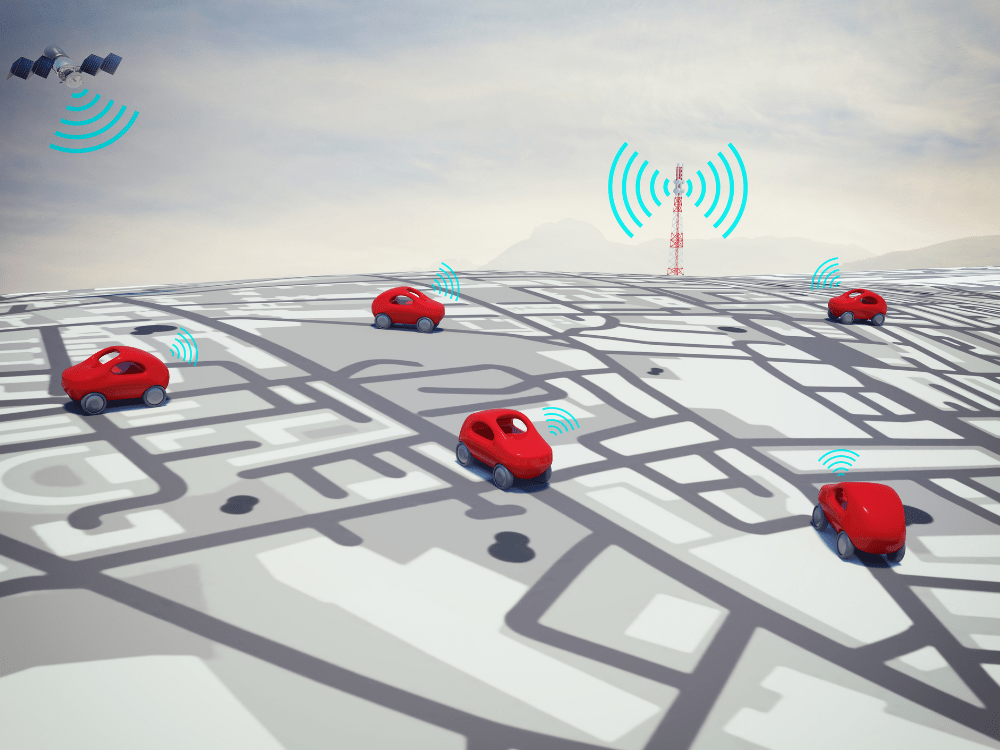
If you are a business owner or fleet operator, you know the struggle of manually building the best route for multiple locations. There is a lot to take into consideration, with the addition of human error posing a risk to your productivity. But what if your stress could be eliminated by one solution?
This article will help you understand what route optimisation is and how it can create the most cost-effective routes for your drivers. This technology can help anyone, from small to large businesses wanting to improve their fleet's performance whilst saving time and money. Industry data shows that businesses using multi-stop route optimisation complete 15% to 25% more deliveries per driver per day compared to those planning routes manually.
What Defines The Best Route?
Some might consider the order of jobs received and their destinations being the most reliable route for your delivery journey. However, this could result in going back and forth between locations and wasting time that could be spent completing additional bookings.
Creating routes based on the schedule of your drivers, the number of stops, and their locations are just a few of the many factors that must be considered when planning. Whilst this may seem like an extremely difficult task, route optimisation can do all that for you.
The best route is not necessarily the shortest one. It is the one that accounts for all constraints, including time windows, driver availability, vehicle capacity, traffic conditions, and delivery priorities, to produce the most efficient outcome for your entire operation.
How To Find The Best Route For Multiple Locations
Route optimisation plays a very important role in finding the best route for your drivers. This solution takes into account distance between stops, driver schedule, the type of vehicle, and traffic conditions to create the most time-effective journey. Route optimisation does not necessarily translate to shorter routes; instead, it builds efficient trips to reduce expenditure on tolls, fuel, vehicle maintenance, and driver overtime.
Why Free Route Planners Fall Short
Google Maps is an example of a free route planner that does not include a route optimisation feature, meaning you have to do your own calculations. You can access Google Maps from your smartphone to reach your destination. This platform is reasonable for single drivers needing to get from one location to another. It is simple to use and offers traffic information, allowing drivers to avoid particularly difficult conditions. Google Maps is also fairly up to date when it comes to road closures and detours.
However, one of the biggest limitations of this route planner is that it only allows you to plan around 10 stops, making it troublesome for businesses who exceed this number. Research indicates that the average delivery driver handles 20 to 40 stops per day, far exceeding the capabilities of free route planning tools.
How Locate2u Solves The Multi-Stop Challenge
This is why route optimisation is the more practical option. Locate2u, a delivery management software, provides a reliable route optimisation engine that can ease the stress of planning and reduce time spent on the road.
If you have got over 20 stops, Locate2u allows you to enter them and create time-efficient routes in only seconds. Less time on the road will lead to drivers using less fuel, cutting down on any unnecessary costs. Having optimised routes also improves your drivers' experience as they will not have to travel back and forth from each location.
Benefits Of Finding The Best Route For Multiple Locations
Route optimisation has become increasingly valuable for businesses and drivers due to its ability to save time and money, whilst improving the experience of your customers and drivers.
Complete Fleet Visibility
Not knowing the whereabouts of your drivers could cause several issues that might impact the delivery process. Route optimisation offers real-time tracking that allows you to see the whereabouts of your drivers throughout the day. This gives you peace of mind that your team members are completing bookings productively and if any errors are encountered, you can easily contact the customer informing them of their item's status.
Faster Delivery Times
Another benefit of finding the best route is faster delivery times for your team members. Having a reliable route optimisation solution chooses the most suitable route for your drivers, resulting in less time spent on the road. Also, adding in last-minute changes and stops is a far easier process and can be effectively communicated to your team members, allowing your operations to run without complication.
Reduced Fuel Costs
The unstable nature of fuel costs has seen prices only increasing. This has forced businesses to look for alternative methods to reduce any unnecessary fuel costs to save money. By optimising your routes, your drivers spend less time on the road, minimising fuel consumption. Time-efficient journeys ultimately lead to less time spent going back and forth between jobs and less idling in traffic. According to logistics benchmarks, route optimisation reduces total fleet fuel consumption by 10% to 15%, with some operations reporting even higher savings during peak delivery periods.
Businesses That Need Multi-Stop Route Optimisation
The types of businesses that need multi-stop route optimisation include professional couriers, small businesses offering local delivery, and larger delivery companies with a substantial fleet. See how Husk Bakery increased deliveries by 30% with Locate2u.
1. Couriers
Couriers are responsible for the transportation of commercial goods to a customer's doorstep. Because of the nature of this business, having access to real-time tracking is crucial in knowing that every delivery has been successfully completed. Route optimisation does just that, allowing you to track the location of your courier in real-time, increasing the accountability of your team members and the goods they are delivering.
2. Small Businesses
For small businesses, it is important to keep customers happy to increase the likelihood of ongoing purchases. Incorporating a route optimisation solution into your business means you can send a live tracking link to your customers. This keeps them up to date with the status of their item and makes them feel a part of the delivery journey. Giving your customers a quality experience can encourage them to write positive reviews online, drawing in future customers.
3. Large Delivery Companies
Larger delivery companies often include a large fleet which can be difficult for fleet managers to maintain organisation. Manually planning routes for the number of vehicles can eat up hours of precious time that could be spent elsewhere. A route optimising software can have time-effective routes planned in a matter of minutes, taking into account the number of stops, driver schedules, traffic, and more.
4. Field Service Businesses
Route optimisation is not limited to delivery companies. Field service businesses including plumbers, electricians, HVAC technicians, and cleaning services all benefit from multi-stop route planning. When your technicians spend less time driving between appointments, they can complete more jobs per day, directly increasing your revenue. Industry data shows that field service companies using route optimisation see 20% to 30% more appointments completed per technician per week.
Getting Started With Multi-Stop Route Optimisation
Here is a practical approach to implementing multi-stop route optimisation in your business:
- Gather your stop data: Compile all delivery addresses, time windows, and any special requirements (vehicle type, equipment needed, priority level) into a single list.
- Set your constraints: Define driver start and end locations, maximum hours per shift, vehicle capacities, and any time-window restrictions from customers.
- Run your first optimised route: Input your stops and let the software generate the optimal sequence. Compare the result against your manually planned route to see the difference.
- Test with real deliveries: Use the optimised route for a full day and track the results. Note fuel consumption, completion times, and customer feedback.
- Iterate and refine: Adjust parameters based on real-world results. Some routes may need tweaking for recurring traffic patterns or customer preferences.
Key Takeaways
- Multi-stop route optimisation increases deliveries per driver by 15% to 25% compared to manual planning.
- The best route is not always the shortest. It is the one that accounts for all constraints including time windows, capacity, traffic, and driver schedules.
- Free route planners like Google Maps cap at around 10 stops, far below the 20 to 40 stops an average driver handles daily.
- Route optimisation reduces fleet fuel consumption by 10% to 15%, with savings compounding as your fleet grows.
- Couriers, small businesses, large delivery companies, and field service businesses all benefit significantly from multi-stop optimisation.
- Real-time tracking alongside optimised routes provides both fleet visibility and improved customer communication.
Locate2u's Route Optimisation
Locate2u's route optimisation reduces time spent planning routes from hours to just seconds, not to mention the stress accompanied with the process. Creating efficient routes has never been easier.
This software allows you to receive live updates from your drivers, where you can monitor their whereabouts and have peace of mind that they are completing bookings productively.
Learn more about Locate2u's route optimisation solution or explore our route optimisation blog for more tips on building better routes.
Related Articles
Logistics Partnerships: Stepping Up to Succeed at Last-Mile Delivery
There is a last mile delivery process issue that most in logistics and delivery understand. It's when a customer places an order, everything is humming along just fine through the warehouse, and then it hits that final stretch...
Training Your Logistics Team for High-Speed Fulfilment
If you're running a logistics operation in 2026, you already know the drill: delivery windows are tighter than ever, orders are piling up and customers just expect to get what they want, when they want it, no questions asked...