Dispatch and Delivery Planning Solve Route Changing Problems
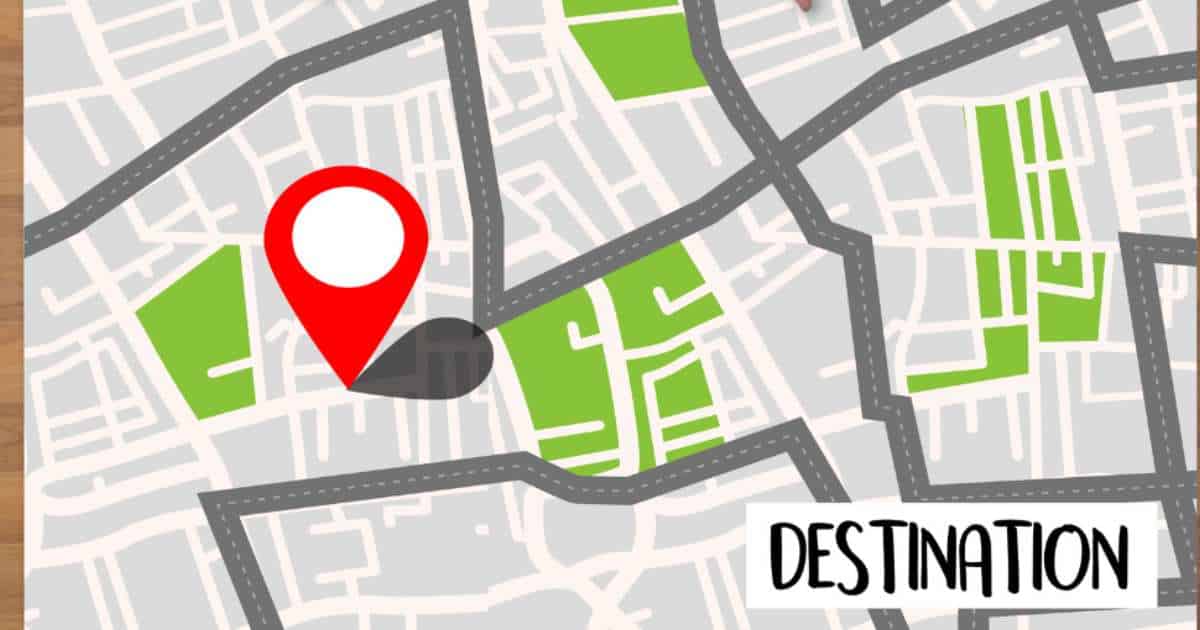
If you are in logistics, you have experienced the chaos that route changes can cause. No matter if you are a courier, a restaurant owner, or a fleet manager, last-minute changes have a way of throwing your entire operation off course. See how Perth Couriers delivers transparent refrigerated logistics with Locate2u. A single cancelled stop, an urgent new booking, or an unexpected road closure can cascade into delays, missed deliveries, and frustrated customers.
I have been in those shoes. You plan the perfect route in the morning, and by 10am everything has changed. Without the right tools, your team scrambles to adapt, making rushed decisions that often create new problems instead of solving the original one.
The good news is that dispatch and delivery planning software was built specifically for this problem. Let's look at how it works and why it is essential for businesses that deal with route changes on a daily basis.
Why Route Changes Are So Disruptive
On the surface, a single route change might seem manageable. One stop added here, one stop removed there. But the ripple effects can be significant, especially when you are managing multiple drivers and dozens of daily deliveries.
Here are the common pain points that route changes create:
- Driver schedule disruption: Adding or removing a stop does not just affect that one delivery. It shifts the timing for every subsequent stop on the route, potentially causing a chain reaction of late arrivals.
- Traffic complications: A route change at the wrong time can send a driver directly into peak traffic, turning a minor adjustment into a major delay.
- Customer frustration: Customers who have been given an ETA do not care about the operational reasons behind a delay. They simply know their delivery is late, and that reflects poorly on your business.
- Increased fuel costs: Unplanned detours and backtracking waste fuel. Over the course of a week or month, these inefficiencies add up to a meaningful expense.
- Driver confusion and stress: Manual route changes communicated over phone calls or text messages are prone to miscommunication. Drivers may miss updates, go to the wrong address, or lose track of their updated sequence.
Industry data suggests that businesses without dynamic routing capabilities experience up to 20% more failed deliveries compared to those using automated dispatch and planning tools.
Route Optimization: Handling Changes Effortlessly
The core advantage of dispatch and delivery planning software is its ability to recalculate routes dynamically. When a change occurs, the system does not just add or remove a stop. It recalculates the entire route to find the new optimal sequence, accounting for traffic, time windows, and driver proximity.
Here is how this works in a real-world scenario:
You are headed to a retailer to deliver stock for the shop floor. Your delivery software alerts you to heavy traffic on your planned route. Instead of sitting in gridlock, the system automatically reroutes you onto a clear road. You arrive at the retailer with time to spare. The store owner, who heard about the traffic jam on the radio, is impressed that you made it on time.
That is not a hypothetical. That is what route optimization does every day for businesses that use it. The system processes variables that no human planner could handle in real time:
- Live traffic data: Routes adjust based on current road conditions, not just historical averages.
- Time window compliance: The system ensures that rerouted deliveries still arrive within their promised windows wherever possible.
- Stop sequencing: When a new stop is added, the algorithm determines the most efficient place to insert it without disrupting the rest of the route.
- Multi-driver coordination: If one driver is overloaded due to a route change, the system can suggest reassigning stops to a nearby driver with capacity.
Real-Time Tracking: Keeping Customers Calm During Changes
Route changes are stressful for your operations team, but they can be even more anxiety-inducing for customers who are waiting for a delivery. This is where real-time tracking becomes invaluable.
When a customer has a live tracking link, they can see exactly where their delivery is at any moment. Even if a route change causes a slight delay, the customer can follow the driver's progress and watch the updated ETA adjust in real time.
Consider the difference in customer experience:
- Without tracking: The customer has no idea a route change occurred. Their delivery is late, and they have no information about why or when it will arrive. They call your support team, frustrated and suspicious.
- With tracking: The customer can see the driver on the map. They notice the route has changed but can see the driver is still making progress. The ETA has shifted by 15 minutes, but they can plan around it. No phone call needed.
Real-time tracking transforms route changes from a customer service crisis into a non-event. The transparency builds trust and reduces the support burden on your team.
Automated Dispatch: Reducing Human Error
One of the most common sources of problems during route changes is manual communication. When a dispatcher needs to relay a route update to a driver, the process is prone to errors. Phone calls get missed. Text messages are misread. Details get lost in translation.
Automated dispatch eliminates these risks by pushing route updates directly to the driver's app. The driver receives the new route, the updated stop sequence, and all relevant delivery details without any phone calls or manual intervention.
The benefits of automated dispatch during route changes include:
- Instant communication: Route updates reach the driver immediately, with no delay from callbacks or voicemail.
- Reduced errors: The driver sees the exact same information as the dispatcher. There is no room for miscommunication.
- Driver focus: Instead of pulling over to take a call or read a text, the driver follows the updated route displayed on their app. Safer and more efficient.
- Audit trail: Every route change is logged automatically, creating a record that can be reviewed for performance analysis or dispute resolution.
Why You Need Dispatch and Delivery Planning Software Now
Route changes are not going away. If anything, the pace of modern delivery, with same-day expectations, last-minute orders, and unpredictable traffic patterns, means route changes are becoming more frequent. The question is whether your business has the tools to handle them efficiently or whether each change creates chaos.
Locate2u's dispatch and delivery planning platform gives you dynamic route optimization, real-time tracking, automated dispatch, and customer notification tools, all in a single system. When a route change occurs, the platform handles the recalculation, the driver communication, and the customer update automatically.
Stop struggling with route changes. Get the tools that turn disruptions into smooth adjustments, and deliver with confidence every time.
Related Articles
Logistics Partnerships: Stepping Up to Succeed at Last-Mile Delivery
There is a last mile delivery process issue that most in logistics and delivery understand. It's when a customer places an order, everything is humming along just fine through the warehouse, and then it hits that final stretch...

Training Your Logistics Team for High-Speed Fulfilment
If you're running a logistics operation in 2026, you already know the drill: delivery windows are tighter than ever, orders are piling up and customers just expect to get what they want, when they want it, no questions asked...