Stop Guessing Etas how Dispatch and Delivery Software Helps
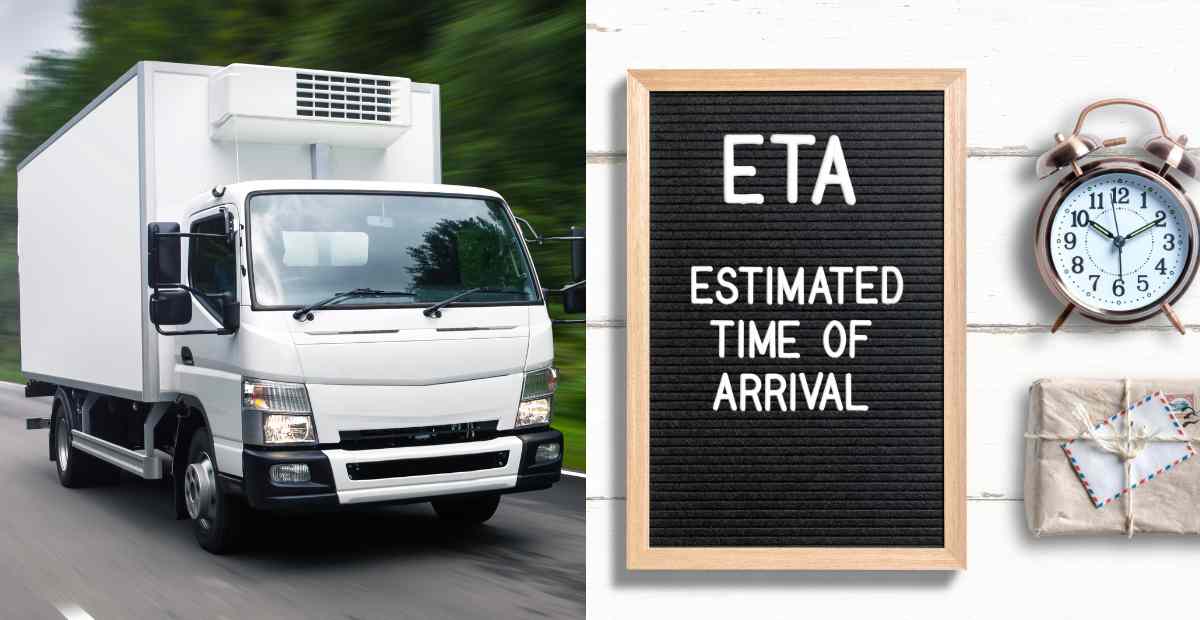
If you have ever told a customer "your delivery will arrive any moment" while having no real idea where the driver is, you understand why accurate ETAs matter. Customers need better than guesswork, and dispatch and delivery software provides the tools to deliver on that expectation.
Timing is critical in logistics. Whether you are transporting high-value cargo between ports or delivering parcels to residential customers, the ability to provide accurate, reliable arrival estimates separates professional operations from chaotic ones. Industry data suggests that inaccurate ETAs are the number one driver of customer complaints in last-mile delivery, ahead of damaged goods and even late deliveries themselves. Customers can tolerate a delay. What they cannot tolerate is being told something that turns out to be wrong.
Here is how dispatch and delivery software transforms your operation from guesswork to precision.
What you are missing without dispatch and delivery software
Manual dispatch planning has real limitations. Spreadsheets and whiteboards cannot account for live traffic conditions, driver availability changes, or last-minute order additions without significant rework. The result is routes that look reasonable on paper but fall apart in practice.
Here is what dispatch and delivery software brings to operations that manual planning cannot:
- Route optimisation in minutes: Software calculates the most efficient stop sequence across your entire fleet, considering distances, time windows, vehicle capacity, and traffic patterns. This replaces hours of manual planning with a process that takes seconds.
- Dynamic re-routing: When a last-minute stop is added or a driver encounters a road closure, the software recalculates the route immediately. Manual replanning in these situations typically causes cascading delays across the rest of the day.
- Accurate, data-driven ETAs: Arrival estimates are based on actual route data, real-time driver location, and current conditions. Customers receive ETAs they can trust rather than rough guesses made at the start of the day.
- Reduced fuel costs: Optimised routes eliminate unnecessary kilometres. For a fleet running daily, even a 10 to 15 percent reduction in total distance translates into significant annual fuel savings.
- Improved driver efficiency: Drivers spend their time delivering rather than figuring out where to go next, sitting in avoidable traffic, or backtracking between stops that could have been sequenced better.
Once your team starts using dispatch and delivery software, the improvement in operational predictability is immediate. Cargo moves faster because routes are smarter, drivers spend less time on the road per delivery, and customers receive accurate information about when their order will arrive.
Real-time tracking: visibility over every vehicle
Dispatch and delivery software becomes significantly more powerful when combined with real-time GPS tracking. Without tracking, the dispatcher's view of the fleet is limited to the last check-in call or the planned schedule, neither of which reflects what is actually happening on the road.
With tracking activated, dispatchers can see the location of every vehicle in the fleet on a single dashboard. This visibility enables several operational improvements:
Proactive delay management
When a driver is running behind, the dispatcher sees it in real time rather than finding out when the customer calls to complain. This early warning enables proactive responses: reassigning downstream stops to another driver, adjusting the route to recover time, or notifying the customer with an updated ETA before they notice the delay.
This shift from reactive to proactive management is one of the most valuable changes a delivery operation can make. Customers who receive a proactive delay notification are far more understanding than those who discover the delay themselves.
Customer-facing visibility
Modern platforms extend tracking visibility to customers as well. A customer who can watch their delivery approach on a live map does not need to call your support team to ask for an update. Research suggests that businesses providing customer-facing tracking typically see a 30 to 50 percent reduction in delivery-related support inquiries.
This reduction in inbound calls frees up your team to focus on operations and exception handling rather than answering the same question hundreds of times per day.
Fleet security and accountability
For businesses transporting high-value cargo, real-time tracking provides a security layer that manual check-ins cannot match. You know where every vehicle is at all times, can set geofence alerts for unusual route deviations, and maintain a complete audit trail of every journey. If cargo goes missing, you have GPS data to support your investigation.
Proof of delivery: closing the loop
Accurate ETAs and real-time tracking get the delivery to the right place at the right time. Proof of delivery confirms that it actually arrived.
Digital proof of delivery captures the evidence that a handover was completed successfully. When a driver arrives at a destination, they capture a photo of the delivered goods, collect a digital signature if required, and the system automatically records the GPS location and timestamp.
This documentation is invaluable when disputes arise. Consider a common scenario: a customer calls to claim their cargo was not delivered. Without proof of delivery, your team has no evidence to counter the claim. With digital POD, you pull up the delivery record and show a timestamped photo with GPS coordinates confirming exactly when and where the goods were delivered.
Proof of delivery also closes the feedback loop for your operations. By reviewing POD data alongside route performance metrics, you can identify patterns: which stops consistently take longer than planned, where access issues cause delays, and which drivers need additional support or training.
The compounding benefits of dispatch software
The individual features of dispatch and delivery software, including route optimisation, real-time tracking, and proof of delivery, each deliver measurable value on their own. But the real power comes from how they work together.
Optimised routes produce accurate ETAs. Real-time tracking ensures those ETAs update dynamically as conditions change. Automated notifications keep customers informed without manual effort. Proof of delivery documents the outcome and feeds data back into the system for continuous improvement.
This integrated approach creates an operation where:
- Customers receive reliable, accurate delivery information at every stage
- Dispatchers have full visibility and can intervene before small problems become big ones
- Drivers follow efficient routes and have clear tools for documenting their work
- Management has data to identify trends, reduce costs, and improve performance over time
How Locate2u brings it all together
Locate2u combines route optimisation, real-time GPS tracking, automated customer notifications, and digital proof of delivery in a single platform designed for businesses that need to stop guessing and start delivering with precision.
Whether you are managing a small courier fleet or coordinating deliveries across multiple regions, Locate2u provides the dispatch and delivery tools to plan smarter routes, track every vehicle in real time, keep customers informed with accurate ETAs, and document every delivery with evidence that protects your business. See how Perth Couriers delivers transparent refrigerated logistics with Locate2u.
The days of telling customers "it will arrive any moment" and hoping for the best are over. With the right software, every ETA is based on real data, every delivery is tracked, and every handover is documented. That is the standard your customers expect, and it is achievable for businesses of any size.
Related Articles
Logistics Partnerships: Stepping Up to Succeed at Last-Mile Delivery
There is a last mile delivery process issue that most in logistics and delivery understand. It's when a customer places an order, everything is humming along just fine through the warehouse, and then it hits that final stretch...
Training Your Logistics Team for High-Speed Fulfilment
If you're running a logistics operation in 2026, you already know the drill: delivery windows are tighter than ever, orders are piling up and customers just expect to get what they want, when they want it, no questions asked...