What is Route Planning
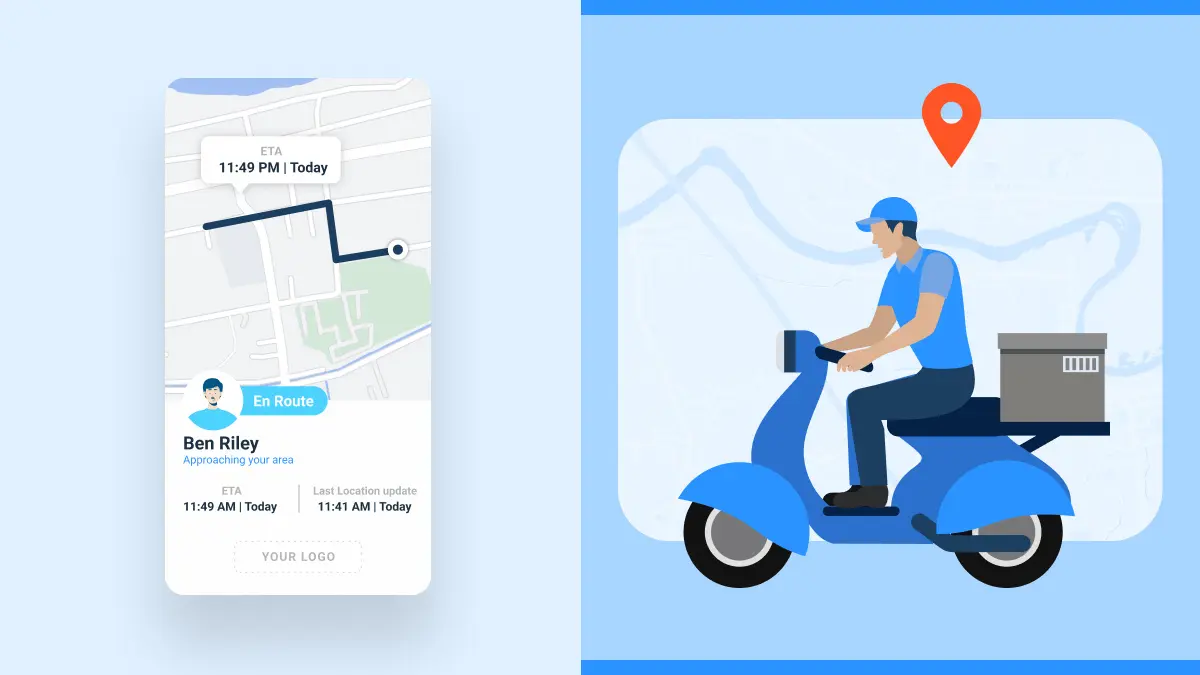
Route planning is a fundamental aspect of delivery and transportation operations. It involves optimizing the routes taken by vehicles or drivers to ensure efficient and timely delivery of goods or services.
By carefully planning routes, businesses can minimize costs, improve customer satisfaction, and enhance overall operational efficiency.
In this article, we will explore the concept of route planning, its benefits, and the tools available to streamline the process.
Industry research shows that effective route planning can reduce total delivery costs by up to 20%, with 2025-2026 logistics benchmarks indicating that businesses adopting automated route planning see a 25% improvement in on-time delivery rates compared to those relying on manual methods. As delivery volumes continue to surge globally, mastering route planning has become a competitive necessity rather than a nice-to-have.
What is route planning?
Route planning is the process of determining the most efficient and effective path for a vehicle or driver to follow in order to reach multiple destinations. It takes into account various factors such as distance, traffic conditions, delivery time windows, vehicle capacity, and customer preferences.
The goal of route planning is to minimize travel time, reduce fuel consumption, and optimize resource allocation.
How does route planning work?
Route planning typically involves the following steps:
- Data Collection: Gather information about the delivery locations, including addresses, delivery time windows, and any specific requirements or constraints.
- Route Optimization: Utilize route optimization software or algorithms to analyze the collected data and generate the most efficient routes. These tools consider factors such as distance, traffic patterns, and delivery priorities to create optimized routes.
- Route Assignment: Assign the optimized routes to drivers or vehicles based on their availability, capacity, and skill set. This ensures that each driver is allocated a route that they can efficiently complete.
- Real-Time Monitoring: Monitor the progress of drivers in real-time using GPS tracking systems. This allows dispatchers to track the location of vehicles, provide updates to customers, and make adjustments if necessary.
- Continuous Improvement: Analyze route performance and make adjustments based on feedback, historical data, and changing circumstances. This iterative process helps refine route planning strategies over time.
Benefits of route planning
Effective route planning offers numerous benefits for businesses involved in delivery and transportation:
1. Cost savings
Optimized routes reduce fuel consumption, vehicle wear and tear, and labor costs. By minimizing travel distances and idle time, businesses can significantly lower their operational expenses.
2. Improved efficiency
Route planning ensures that drivers follow the most efficient paths, resulting in faster deliveries and increased productivity. This allows businesses to handle more orders with the same resources.
3. Enhanced customer satisfaction
Timely and reliable deliveries contribute to customer satisfaction and loyalty. Route planning helps businesses meet delivery time windows and provide accurate ETAs to customers.
4. Reduced environmental impact
Optimized routes lead to reduced fuel consumption and lower carbon emissions, contributing to a more sustainable and environmentally friendly operation.
5. Better resource allocation
Route planning enables businesses to make the most of their available resources, including vehicles, drivers, and time. This leads to improved utilization and better overall operational efficiency.
Route planning tools and software
Several tools and software solutions are available to facilitate route planning and optimization:
1. Route optimization software
Route optimization software uses advanced algorithms to calculate the most efficient routes based on various parameters. These tools consider factors such as distance, traffic conditions, delivery time windows, and vehicle capacity to generate optimized routes automatically.
2. GPS and mapping technologies
GPS devices and mapping technologies provide real-time location tracking and accurate mapping data. They help drivers navigate routes, avoid traffic congestion, and provide accurate ETAs to customers.
3. Mobile applications
Mobile applications designed for route planning allow drivers to access their assigned routes, receive updates, and communicate with dispatchers. These apps often include features such as turn-by-turn navigation, digital proof of delivery, and customer communication tools.
4. Telematics systems
Telematics systems integrate GPS tracking, vehicle diagnostics, and communication technologies. They provide real-time insights into vehicle performance, driver behavior, and route efficiency, enabling businesses to make data-driven decisions.
Best practices for effective route planning
To maximize the benefits of route planning, consider the following best practices:
1. Leverage technology
Invest in route optimization software and GPS tracking systems to automate and streamline the route planning process. These tools can handle complex calculations and provide real-time visibility into operations.
2. Consider customer preferences
Take into account customer preferences such as delivery time windows, special instructions, and preferred delivery methods. This helps improve customer satisfaction and reduces the likelihood of failed deliveries.
3. Account for traffic and road conditions
Factor in real-time traffic data and road conditions when planning routes. This helps avoid congestion and ensures drivers take the most efficient paths.
4. Optimize vehicle capacity
Ensure that vehicles are loaded efficiently to maximize capacity utilization. This reduces the number of trips required and lowers overall transportation costs.
5. Monitor and analyze performance
Regularly review route performance metrics such as on-time delivery rates, fuel consumption, and driver productivity. Use this data to identify areas for improvement and refine route planning strategies.
6. Provide driver training
Ensure drivers are trained on the route planning system and understand how to use GPS devices and mobile applications effectively. Well-trained drivers can execute planned routes more efficiently.
7. Plan for contingencies
Have backup plans in place for unexpected situations such as vehicle breakdowns, traffic accidents, or weather-related delays. This ensures that operations can continue smoothly even when disruptions occur.
Challenges in route planning
While route planning offers significant benefits, it also comes with certain challenges:
1. Dynamic conditions
Traffic patterns, weather conditions, and road closures can change rapidly, making it challenging to maintain optimized routes throughout the day. Real-time monitoring and adaptive planning are essential to address these dynamic conditions.
2. Complex constraints
Delivery operations often involve multiple constraints such as delivery time windows, vehicle capacity limitations, driver availability, and customer-specific requirements. Balancing these constraints while optimizing routes can be complex.
3. Data accuracy
Route planning relies on accurate data, including addresses, delivery locations, and customer information. Inaccurate or incomplete data can lead to inefficient routes and failed deliveries.
4. Scalability
As businesses grow and handle more deliveries, route planning becomes increasingly complex. Scalable solutions are necessary to accommodate growing operations without sacrificing efficiency.
The future of route planning
The field of route planning continues to evolve with advancements in technology:
1. Artificial intelligence and machine learning
AI and machine learning algorithms are being integrated into route planning systems to improve accuracy and adaptability. These technologies can learn from historical data and make intelligent predictions about optimal routes.
2. Autonomous vehicles
The development of autonomous vehicles has the potential to revolutionize route planning. Self-driving vehicles can execute optimized routes with precision and consistency, reducing the need for human intervention.
3. Predictive analytics
Advanced analytics tools can predict future demand patterns, traffic conditions, and delivery requirements. This enables businesses to proactively plan routes and allocate resources more effectively.
4. Integration with IoT
The Internet of Things (IoT) enables seamless integration between vehicles, devices, and route planning systems. This connectivity provides real-time data and insights that enhance route optimization.
Key Takeaway
Route planning is the backbone of efficient delivery operations. In 2026, with rising fuel costs, increasing delivery volumes, and heightened customer expectations for precise ETAs, automated route planning is essential. 2025-2026 data indicates that businesses using AI-powered route planning tools are completing up to 15% more deliveries per driver per day while reducing total mileage. Whether you are a small business or a growing enterprise, investing in the right route planning tools and strategies will directly impact your profitability and customer satisfaction. See how Husk Bakery increased deliveries by 30% with Locate2u. Explore delivery management strategies and industry solutions to complement your route planning efforts.
Conclusion
Route planning is a critical component of efficient delivery and transportation operations. By leveraging technology, considering customer preferences, and following best practices, businesses can optimize routes, reduce costs, and improve customer satisfaction.
As technology continues to advance, the future of route planning holds even greater potential for innovation and efficiency gains. Investing in route planning tools and strategies is essential for businesses looking to stay competitive in today's fast-paced delivery landscape.
Related Articles
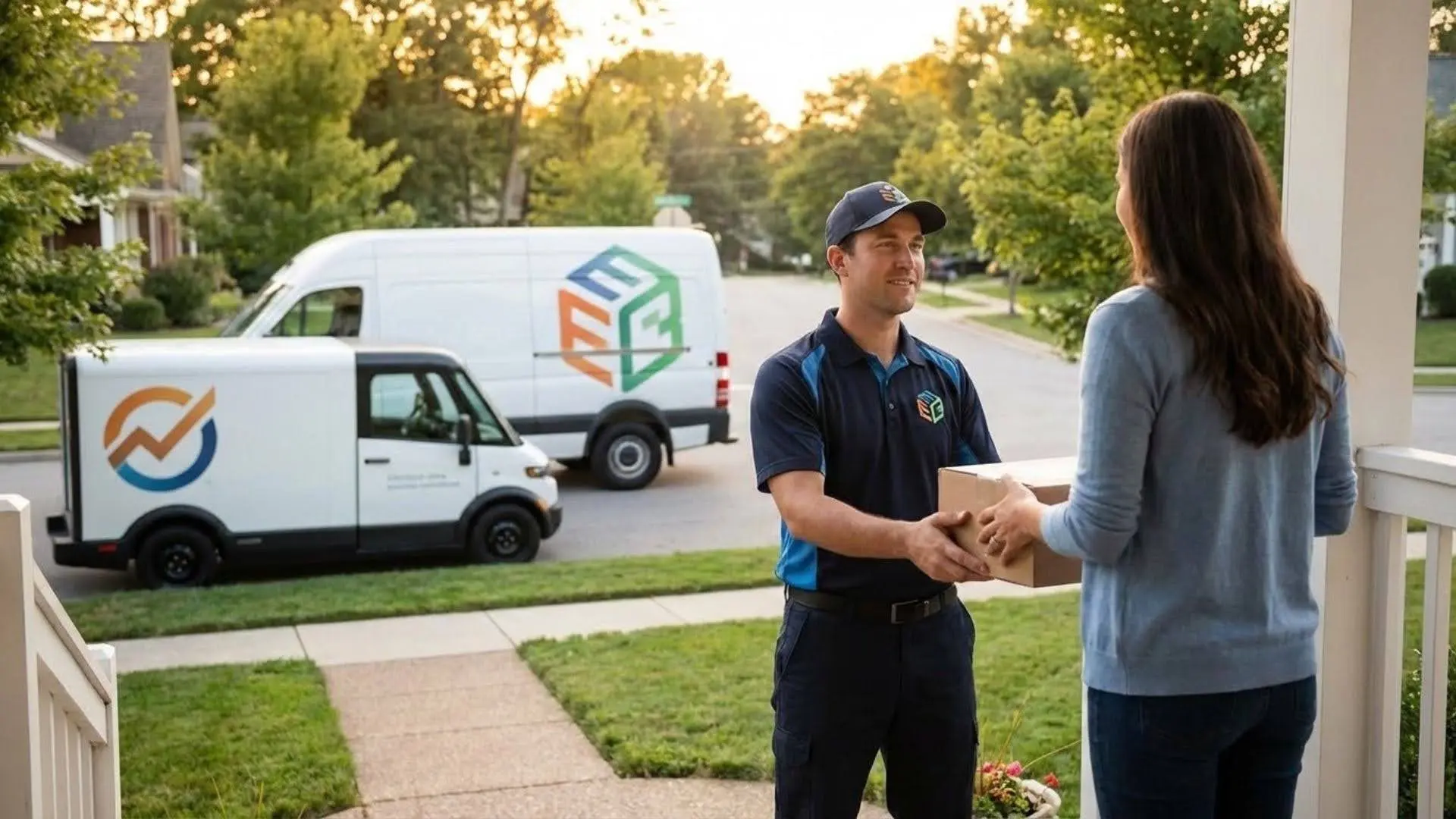
Logistics Partnerships: Stepping Up to Succeed at Last-Mile Delivery
There is a last mile delivery process issue that most in logistics and delivery understand. It's when a customer places an order, everything is humming along just fine through the warehouse, and then it hits that final stretch...
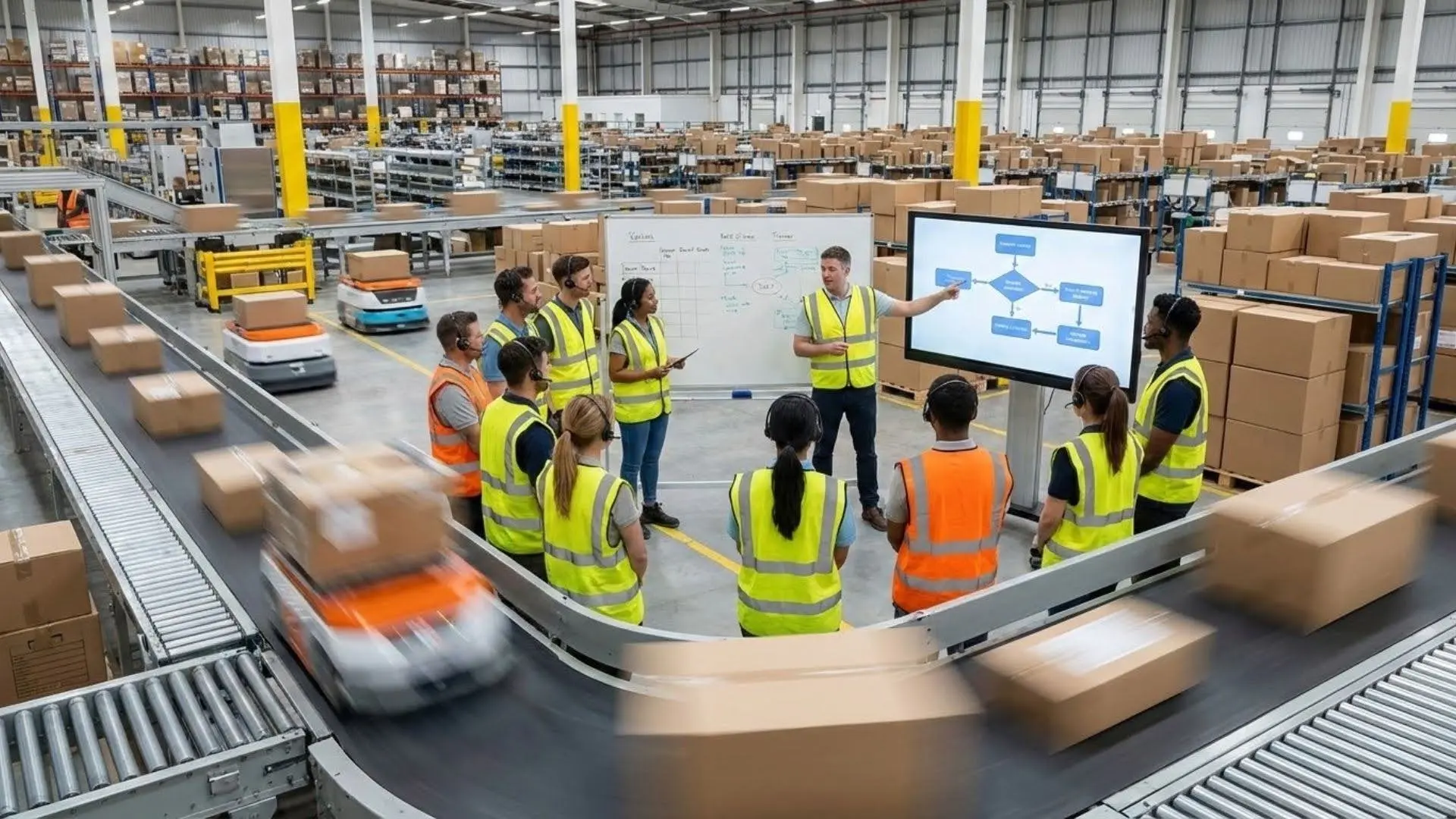
Training Your Logistics Team for High-Speed Fulfilment
If you're running a logistics operation in 2026, you already know the drill: delivery windows are tighter than ever, orders are piling up and customers just expect to get what they want, when they want it, no questions asked...