5 Ways Fleet Management Software Can Boost Fuel Efficiency
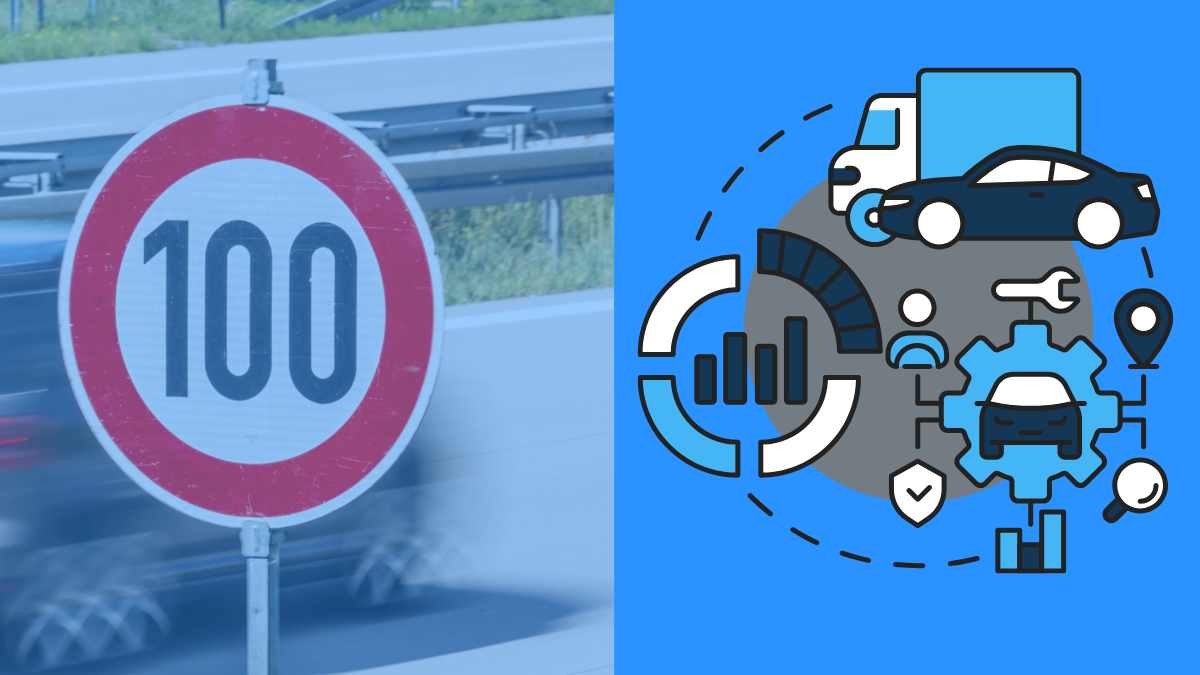
Fleet management software plays a vital role in fuel efficiency. Fuel is expensive, and industry data shows it represents up to 60% of a fleet's total operating budget in 2026.
However, if your delivery driver is suddenly speeding, as much as 20% more fuel is consumed.
Monitoring your drivers' fuel consumption, driving skills, and other habits can help you cut where it needs to be cut.
It's not big changes that need to happen. Small changes can make your fuel budget shrink. According to logistics industry benchmarks, if you simply minimize excessive idling, you can save up to $8,000 per vehicle annually on wasted fuel. See how Containers for Change manages community recycling at scale with Locate2u.
Here are ten facts to prove why fleet management is needed to cut fuel waste.
- Aggressive driving increases fuel use
- Maintaining proper tire pressure saves fuel
- Reducing speed boosts fleet efficiency
- Telematics can cut fuel costs by 15%
- Load weight affects fuel economy
- Cruise control saves fuel on highways
- Air filters impact fuel use
- Route optimization systems save money
- Regular maintenance is important
- Idling wastes fuel
How do you implement these changes and where do you start? In this article you'll learn more.
What is fleet management?
Fleet management helps you track, assess, diagnose, and identify critical areas for improvement, ensuring that your fleet operations improve, stay well-maintained, and are not damaged.
Good fleet management systems can help you cut down on maintenance costs, fuel costs, and road time.
It ensures that all cars, vans, scooters, e-bikes, and trucks are regularly sent for maintenance, plans the most efficient routes for deliveries to ensure a longer lifespan for the vehicles, and saves fuel consumption for better engine output.
Poor driving habits are the main culprit for the excessive use of fuel.
Research from 2025/2026 indicates that fleets using modern fleet management software reduce their overall fuel expenditure by 10 to 20% in the first year of adoption. For a fleet of 10 vehicles, that can translate to tens of thousands of dollars saved annually.
Now that you know what fleet management is used for, let's dissect the five key ways fleet management software can help your business improve fuel efficiency.
1. Route optimization minimizes fuel consumption
It's a problem to drive around the neighborhood for 10 minutes, ask for directions, and battle to find the address where the next delivery or stop has been assigned.
Your customer is frustrated. The delivery is late, the fuel is burning, and the driver is also seeing red.
When routes are optimized with real-time data, this dilemma can be avoided.
And it doesn't even need to be this drastic. Simply using a route that is believed to be the shortest but is not can cause delays and more fuel consumption.
When a company is using fleet management software, it can adjust its routes in real time based on traffic patterns, road closures, and weather conditions.
Route optimization software can reduce empty miles
Empty miles is when you drive around clocking in miles, but you have almost nothing in the van, and you're also not earning any revenue.
This happens when you are not using software to avoid these redundant trips, wasting precious time and money.
With more efficient paths to each destination and the shortest idle time between the various stops, time and fuel usage is more efficient.
According to logistics industry benchmarks, route optimization can reduce total fleet mileage by 10 to 25%, with a direct and proportional reduction in fuel costs.
2. Monitoring delivery drivers' habits improves fuel efficiency
Aggressive driving behaviors like rapid accelerating or harsh braking are significant contributors to higher fuel consumption.
The optimal fuel usage depends on the type of vehicle. However, industry data shows the optimal speed is typically between 35 and 50 MPH for fuel efficiency.
But how would you know how hard they are braking or accelerating? Fleet management software can track these behaviors in real time.
How will you change this excessive driving? By pointing out the problem, showing which driver is the culprit, at what time of day, in which area, and to what extent, the fleet manager can address the problem directly with the specific driver.
Here are practical steps to improve driver behavior and fuel efficiency:
- Set driving score benchmarks and share them with your team so drivers know what good performance looks like.
- Review weekly driver scorecards generated by your fleet management software to identify patterns, not just one-off incidents.
- Incentivize good driving by rewarding the most fuel-efficient drivers each month. Recognition costs little but drives real behavior change.
- Provide targeted coaching for drivers who consistently score below the benchmark rather than applying generic training to everyone.
3. Reducing idle time cuts down fuel waste during deliveries
Idling wastes fuel. It's a hidden cost, especially in the delivery space. Drivers think that not cutting the engine while quickly stepping out of the vehicle to hand over a parcel is saving time; it's burning fuel.
If a driver will be idling for more than 60 seconds, it's better to switch off the engine. Research from 2025/2026 indicates that an idling vehicle can consume one to one-and-a-half gallons of fuel per hour, depending on engine size.
How can a fleet manager know about idle times? Fleet management software can pinpoint idle time. It helps managers to coach drivers on when to turn off their engines.
When it comes to scheduling deliveries, there needs to be more mindfulness to minimize waiting time. Combining route optimization with real-time tracking gives you visibility into both where your vehicles are and how long they are sitting still at each stop.
4. Using preventative fleet maintenance improves fuel efficiency
Keeping your vehicles in top shape with fleet management software improves fuel management.
How? Properly maintained vehicles consume less fuel. Fuel consumption is better when the engine, air filters, and oil maintenance are up to date.
You'll get more mileage per liter of fuel. Oil minimizes friction, allowing smooth flow through the engine.
Industry data shows that regular vehicle maintenance using telematics data can extend a vehicle's lifespan by 15 to 20% and reduce unexpected repair costs by up to 25%.
What should you focus on to maintain your vehicle and reduce fuel costs?
Tire pressure: Underinflated tires have less grip and use more fuel. Research from 2025/2026 indicates that properly inflated tires alone can improve fuel efficiency by up to 3%.
Regular oil changes: Clean engine oil reduces friction and helps the engine run smoothly, improving fuel efficiency.
Air filter maintenance: A clean air filter ensures proper air intake, which optimizes fuel combustion and reduces fuel consumption.
Engine tune-ups: Keeping the engine in good condition, including checking spark plugs and timing, ensures efficient fuel use and better overall fleet performance.
5. Using telematics for fleet management saves costs
Telematics gives accurate on-the-spot data on how you can save fuel. If you are a manager, you can make quick insightful decisions to adjust your budget. At the end of the month it all adds up.
The best part is that it's updated in real-time. You don't have to wait until the end of the month to receive a full report. If a driver has been driving harshly or a car is not checked for maintenance, you'll know.
With accurate data, managers can compare fuel usage between drivers and identify areas where it can be improved.
According to logistics industry benchmarks, telematics-equipped fleets see a 10 to 15% reduction in fuel costs through a combination of better routing, reduced idling, and improved driver behavior.
Key takeaways
- Fuel represents up to 60% of a fleet's total operating budget. Even small improvements in fuel efficiency translate to significant cost savings.
- Route optimization reduces total fleet mileage by 10 to 25%, cutting fuel costs proportionally and eliminating empty miles.
- Monitoring driver behavior (speeding, harsh braking, rapid acceleration) and providing targeted coaching can reduce fuel waste by 15 to 20%.
- Reducing idle time by encouraging drivers to turn off engines for stops longer than 60 seconds saves up to $8,000 per vehicle annually.
- Preventative maintenance, including tire pressure, oil changes, and air filters, keeps vehicles running at peak fuel efficiency and extends their lifespan.
- Telematics provides real-time data on fuel usage, driver behavior, and vehicle health, enabling fleet managers to make data-driven decisions that save money every month.
- Start with the basics: track your current fuel spend, implement fleet management software, and review driver scorecards weekly.
Related Articles
Real Time Tracking Myths
In the fast-moving world of fleet management and vehicle tracking, real time tracking myths has emerged as a defining factor for operational success....
Strategies for Fleet Management Software
In the fast-moving world of fleet management and vehicle tracking, strategies for fleet management software has emerged as a defining factor for...
Fleet Management Features
In the fast-moving world of fleet management and vehicle tracking, fleet management features has emerged as a defining factor for operational success....