Outsourced vs in House Delivery
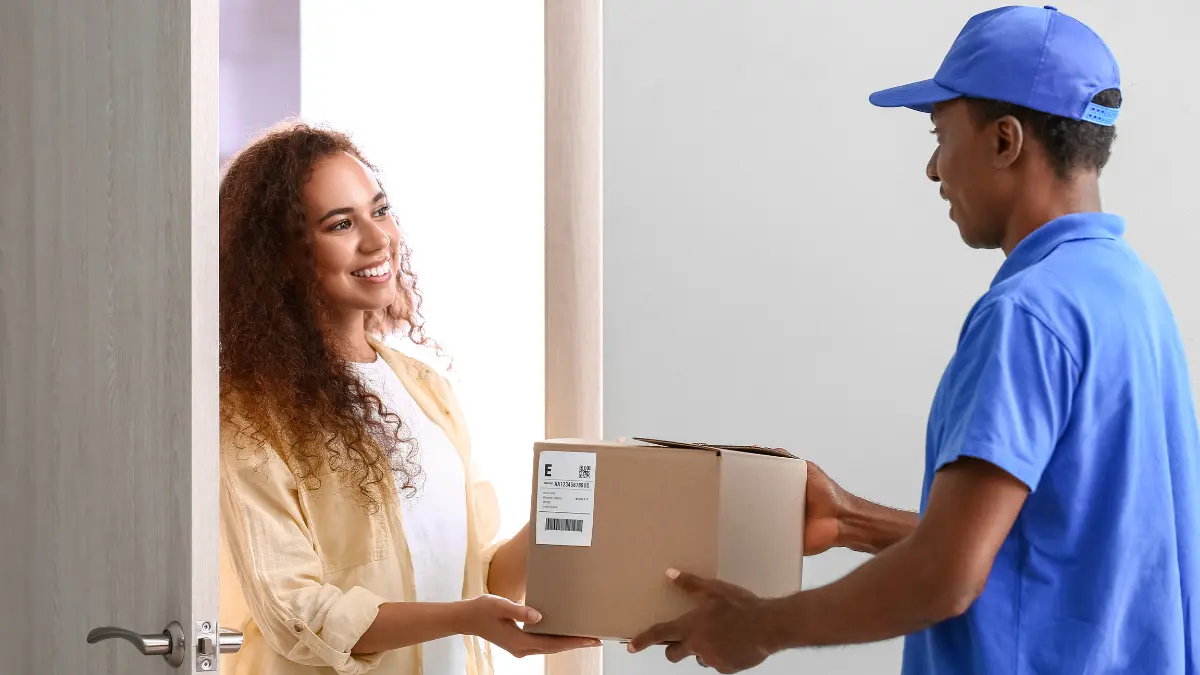
Every business that delivers products faces the same fundamental question: should you outsource delivery to a third-party logistics provider, or build and manage your own in-house fleet? The answer shapes your operating costs, customer experience, and long-term scalability.
With ecommerce delivery now a mature industry and consumer expectations at an all-time high, making the wrong choice can erode margins and damage brand loyalty. This guide breaks down the advantages and drawbacks of each model, introduces the hybrid approach, and provides a decision framework to help you choose confidently.
What Is Outsourced Delivery?
Outsourced delivery means partnering with a third-party logistics (3PL) provider or courier network to handle some or all of your deliveries. The 3PL manages the drivers, vehicles, and routing while you focus on fulfillment and customer acquisition.
Advantages of Outsourcing
- Scalability on demand: A 3PL can absorb volume spikes during peak seasons, promotional events, or unexpected surges without you needing to recruit, train, or equip additional drivers. When demand drops, you scale back just as easily.
- No fleet investment: Vehicles, insurance, fuel, and maintenance represent significant fixed costs. Outsourcing converts those into variable costs tied directly to delivery volume, which is attractive for businesses with tight capital budgets.
- Geographic reach: Expanding into new cities or regions is far simpler when a logistics partner already has infrastructure and drivers in those areas. You skip the months of setup and local market learning.
- Access to expertise: Established 3PLs bring supply chain knowledge, compliance experience, and operational processes that would take years to develop internally.
Drawbacks of Outsourcing
- Loss of control: When a third party handles the last mile, you lose visibility into how your products are handled, how drivers interact with customers, and whether delivery windows are actually met. Service quality becomes harder to enforce.
- Brand dilution: The delivery driver is often the only human a customer interacts with. If that driver wears a generic uniform and drives an unmarked vehicle, your brand misses a critical touchpoint. Worse, customers may associate a poor delivery experience with your company rather than the courier.
- Higher per-delivery cost at scale: Outsourcing often looks affordable at low volumes, but the per-delivery fee adds up quickly as order counts grow. Many businesses find that beyond a certain volume threshold, in-house delivery is significantly cheaper per drop.
- Data ownership issues: Customer delivery data, route performance metrics, and satisfaction scores may live in the 3PL's systems rather than yours. Losing access to this data limits your ability to optimize operations and understand customer behavior.
- Competing priorities: Your 3PL serves multiple clients. During busy periods, your deliveries may not receive the same urgency or care as a larger customer's shipments.
What Is In-House Delivery?
In-house delivery means your business owns (or leases) the vehicles, employs the drivers, and manages the entire delivery process from dispatch to doorstep. You maintain direct control over every aspect of the customer experience.
Advantages of In-House Delivery
- Complete brand control: Branded vehicles, uniformed drivers, and consistent service standards turn every delivery into a marketing opportunity. Customers remember the experience and associate it directly with your business.
- Stronger customer relationships: In-house drivers who serve the same routes regularly build familiarity with customers. They learn preferences, handle special instructions naturally, and become trusted representatives of your brand.
- Full data ownership: Every data point, from route efficiency and delivery times to customer feedback and driver performance, stays within your systems. This data is invaluable for continuous improvement and strategic planning.
- Long-term cost savings: While the upfront investment is higher, businesses with consistent delivery volumes typically achieve a lower cost per delivery over time compared to ongoing 3PL fees. The break-even point comes sooner than many business owners expect.
- Operational agility: Need to add a same-day delivery window? Want to reroute a driver for an urgent order? In-house operations let you adapt in real time without negotiating with a third party.
Drawbacks of In-House Delivery
- Upfront capital investment: Vehicles, GPS devices, delivery management software, and insurance all require initial spending before a single delivery is made.
- Hiring and training: Recruiting reliable drivers, training them to represent your brand, and managing ongoing HR needs adds operational complexity. Driver turnover remains a persistent challenge across the logistics industry.
- Fleet maintenance: Vehicles break down, need servicing, and eventually require replacement. Without a maintenance plan, unexpected repair costs can disrupt both your budget and your delivery schedule.
- Scaling limitations: Expanding to new regions means purchasing or leasing additional vehicles, hiring local drivers, and building new operational workflows. Growth is slower and more capital-intensive than outsourcing.
The Hybrid Model: Best of Both Worlds
Many businesses discover that neither a purely outsourced nor a fully in-house model fits their needs perfectly. The hybrid approach combines both strategies to balance cost, control, and flexibility.
A common hybrid structure works like this: your in-house team handles your core delivery zone, covering the areas where you have the highest order density and where brand experience matters most. A 3PL partner covers overflow volume during peak periods, handles deliveries in regions where you lack infrastructure, or manages specialized shipments like oversized or temperature-controlled goods.
The hybrid model lets you protect brand quality where it counts while avoiding the cost of maintaining excess fleet capacity for demand fluctuations. It also provides a natural path for growth. As order volume in a new region increases, you can gradually transition from outsourced to in-house delivery in that area.
How Delivery Management Software Changes the Equation
One of the biggest reasons businesses default to outsourcing is the perceived complexity of managing their own deliveries. Coordinating drivers, optimizing routes, tracking shipments in real time, and keeping customers informed used to require enterprise-level resources.
Modern delivery management platforms have removed that barrier. Even small businesses with just a handful of drivers can now operate with the same efficiency as large logistics companies. Here is what the right software enables:
- Automated route optimization: Route optimization tools calculate the most efficient sequence of stops based on delivery windows, traffic patterns, vehicle capacity, and driver availability. What used to take dispatchers hours of manual planning now happens in seconds.
- Real-time tracking and visibility: Both your dispatch team and your customers can see exactly where a driver is and when a delivery will arrive. This transparency reduces missed deliveries and support calls.
- Proof of delivery: Digital signatures, photos, and timestamps create an auditable record of every completed delivery, reducing disputes and building customer confidence.
- Driver management: A dedicated driver app gives your team turn-by-turn navigation, delivery instructions, and instant communication with dispatch, all from their smartphone.
- Performance analytics: Dashboards and reports reveal delivery success rates, average delivery times, driver utilization, and cost per delivery, giving you the data you need to continuously improve.
The combination of these capabilities means that a small business with five drivers and the right software can deliver a customer experience that rivals companies with fifty-vehicle fleets managed by expensive logistics teams.
Decision Framework: Which Model Is Right for You?
Use the following factors to guide your decision. No single factor should determine your choice. Instead, weigh them together against your specific business context.
Delivery Volume
Low or unpredictable volume favors outsourcing, since you pay only for what you use. High and consistent volume favors in-house delivery, where the fixed costs are spread across enough deliveries to achieve a lower unit cost.
Budget and Cash Flow
Businesses with limited upfront capital may need to start with outsourcing and transition to in-house as revenue grows. If you have the capital to invest, in-house delivery typically delivers stronger returns over a two-to-three year horizon.
Brand Importance
If your competitive advantage depends on customer experience, such as premium food delivery, medical supplies, or high-value goods, in-house delivery gives you the control needed to protect that advantage. See how Husk Bakery increased deliveries by 30% with Locate2u. For commodity products where speed matters more than experience, outsourcing may suffice.
Geographic Scope
A single-city operation is easier to manage in-house. Multi-city or national coverage may require outsourcing in some regions, at least initially, making a hybrid model the practical choice.
Growth Plans
If rapid expansion is the priority, outsourcing provides speed. If sustainable, profitable growth is the goal, building in-house capability creates a durable operational asset.
Making the Transition
If you are currently outsourcing and considering a move to in-house delivery, start small. Choose your highest-density delivery zone, equip a small team of drivers with delivery management software, and run both models in parallel for a defined period. Compare cost per delivery, customer satisfaction scores, and on-time rates side by side. The data will make the decision clear.
For businesses just starting out, the barrier to launching in-house delivery has never been lower. You do not need a warehouse full of vehicles or a team of logistics experts. A few reliable drivers, their own vehicles, and the right technology platform are enough to get started and scale from there.
Whatever model you choose, the key is to make it a deliberate strategic decision based on your numbers, your customers, and your growth ambitions rather than defaulting to what seems easiest in the short term.
Related Articles
Last Mile Delivery Communication 10 Practical Fixes to Stop Missed Updates
In the fast-moving world of last mile delivery operations, last mile delivery communication 10 practical fixes to stop missed updates has emerged as a...
Improve Last Mile Delivery Without More Vehicles
In the fast-moving world of last mile delivery operations, improve last mile delivery without more vehicles has emerged as a defining factor for...
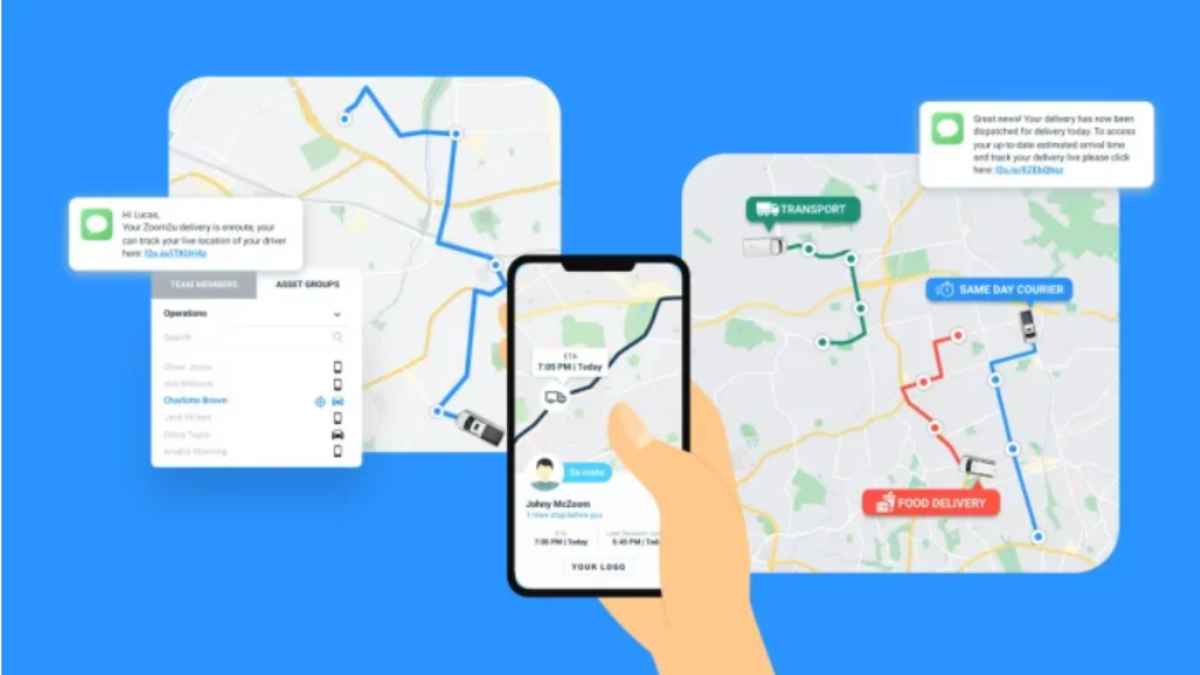
Last Mile Delivery Explained the Basics and Beyond
In the fast-moving world of last mile delivery operations, last mile delivery explained the basics and beyond has emerged as a defining factor for...