Ways to Reduce Last Mile Delivery Costs
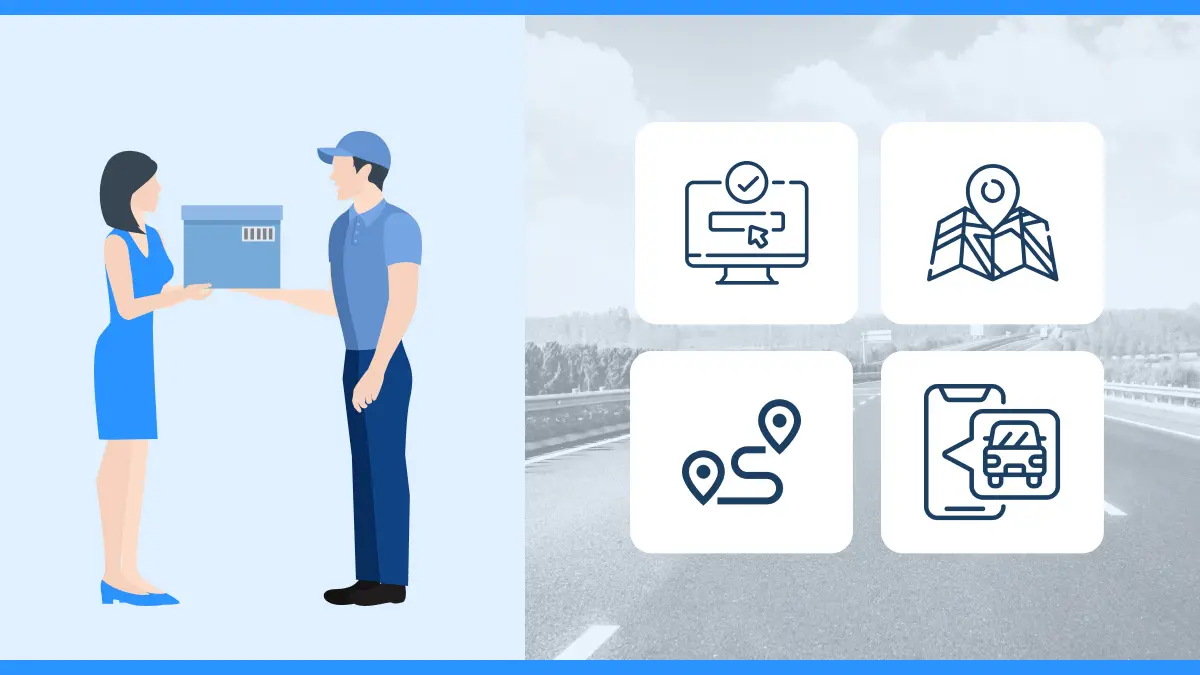
Finding ways to improve efficiency is the only way for your business to keep up with the pace of today's delivery standards. Industry data shows that more than half of total shipping costs come down to last-mile deliveries, which can lead to a significant decline in profits if you do not try to optimise your deliveries.
Understanding the concerns and costs of last-mile deliveries will benefit your business operations and save you money. Businesses need to keep up with changes in consumer behaviour and match their rapid nature.
Research indicates that 71% of customers are more likely to purchase goods knowing they will arrive on the same day. They are also less likely to continue with their order should free shipping not be included. This leaves companies to dip into their profit margins to cover the cost of shipping. In 2026, last-mile delivery costs continue to rise, making cost reduction strategies more critical than ever for maintaining healthy margins.
Last-Mile Delivery Costs And Concerns
1. Cost Of Drivers
It is incredibly difficult to find drivers, let alone good drivers, so getting the most out of your current team is a must to save your business time and money. That being said, the more delivery standards change to accommodate the rapid increase in e-commerce sales, the more efficient you need to make your team, especially if numbers are few.
By making route planning easier for drivers, you will attract more potential drivers to join your business. According to logistics benchmarks, driver recruitment costs have increased by over 20% in recent years, making retention and efficiency even more important.
2. Failed Or Delayed Deliveries
The time of delivery is a promise to customers and if there are extended delays, their trust can be dangerously compromised. Dissatisfied customers will refuse to use your services in the future and look elsewhere because there are plenty of options that can offer the same service more reliably.
If a delivery has failed, this forces drivers to return to that stop on their route, increasing delivery costs and ultimately wasting time. Research indicates that each failed delivery attempt costs businesses between $15 and $20 when factoring in fuel, driver time, and customer service follow-up. Delivering on time is the standard and anything falling short will greatly frustrate the customer.
3. Inefficiency Of Last-Mile Delivery
The increase in e-commerce has seen a significant increase in deliveries. Businesses are struggling to keep up with the new volume of demand from customers. Struggling to keep up with demand can lead to more delays, missed deliveries, and other issues that make last-mile delivery more inefficient.
When it comes to rural areas, delivery stops might be spread apart with only a few items being delivered at each location. There also is not an obvious path for the journey which makes stops difficult to reach for drivers. Whilst stops within a city may be close together, there could be significant traffic delays, especially in peak hour. This wastes fuel due to constant idling, costing your business more. See how Containers for Change manages community recycling at scale with Locate2u. It also leads to urgent deliveries being delayed and customers being exceedingly frustrated with the service they have been given.
Ways To Reduce Last-Mile Delivery Costs And Concerns
Reducing last-mile delivery costs and concerns is essential to make sure your business is keeping up with the challenging nature of consumers. That means offering more delivery options, optimising routes to save your team time and money, as well as proof of delivery and customer updates. These are all necessary measures that improve communication and visibility, helping you keep in competition with other businesses.
1. More Delivery Options
Accommodating customers is key to running your business as you should always be trying to meet their needs. Whilst same-day delivery may seem like the best option, it is not always suitable for customers and their schedules. Only having standard and same-day delivery as options is very restrictive because customers might be unable to wait a week for their order, but also will not be home for same-day services.
It is more about the convenient time window rather than being delivered on the day. Giving more delivery options, such as express and the ability to pick a certain date and time, is a great way to accommodate those with restrictive schedules. Industry data shows that businesses offering three or more delivery speed options see 15% higher cart completion rates compared to those offering only standard delivery.
2. Route Optimisation
Route optimisation helps you speed up your route planning by simply putting all your stops in, and letting the software find the most efficient route for your team. You can even add in ad-hoc deliveries that can be slotted into the plan where they are best suited.
This eliminates the stress of planning last-minute orders and is flexible to suit any changes in your schedule. It increases the productivity of your business whilst saving you hours in organising bookings. With less time spent on the road, you can cut down on fuel costs and save your business money and time. According to logistics benchmarks, route optimisation reduces total delivery mileage by 15% to 20%, directly lowering both fuel and maintenance expenses.
3. Proof Of Delivery
Proof of delivery allows your team to account for the success of delivery through digital picture confirmation and e-signatures. This way customers can see where their order is stored and who signed for it.
It is a great way to keep track of every completed delivery and if an error occurs, your team can obtain past records to resolve the issue at hand. This keeps your business organised and any possible customer complaints will be dealt with quickly because you will have access to the exact time and date their order was delivered with proof.
4. Customer Updates
Customers want to be involved throughout the process, especially when it comes to goods they have purchased. Customer updates are the perfect way to keep your customer informed throughout the day. This visibility allows them to see the driver's location and how far along they are on their journey. This lets them plan their day around the delivery without any major disruptions to their schedule.
It is a great way to build trust between you and your customer whilst giving them the best experience so that they are willing to use your services in the future. Research indicates that proactive delivery notifications reduce customer service enquiries by up to 40%.
5. Real-Time Tracking
Determining your last-mile delivery performance requires the ability to look through and analyse the data. Real-time tracking lets you trust your team as you will be able to monitor their whereabouts throughout their entire journey. This visibility helps you give accurate ETAs for your customers and allows you to assign new jobs to your drivers.
It also gives you insight into how productive your team members are, as you can see how long they have spent at certain locations and whether they are following the correct route. Having that transparency gives you peace of mind in knowing the work is being done successfully, increasing your business's productivity.
Actionable Cost Reduction Checklist
Here is a practical checklist you can implement immediately to start reducing your last-mile delivery costs:
- Audit your current delivery costs: Break down costs by fuel, driver time, failed deliveries, and customer service. Identify where the biggest losses occur.
- Implement route optimisation: Even a 15% reduction in daily mileage compounds into substantial savings each month.
- Offer flexible delivery windows: Give customers the ability to choose date and time slots that work for them, reducing failed delivery attempts.
- Activate proof of delivery: Photo confirmation and e-signatures eliminate disputes and reduce the cost of re-deliveries.
- Send proactive notifications: Automated SMS or email updates with live tracking links reduce inbound customer calls.
- Review driver performance data weekly: Use tracking data to identify inefficiencies and provide targeted coaching.
- Consolidate deliveries by zone: Group orders by geographic area to reduce backtracking and maximise stops per route.
Key Takeaways
- Last-mile delivery accounts for over 50% of total shipping costs, making cost reduction strategies essential for profitability.
- Each failed delivery attempt costs between $15 and $20 when you factor in fuel, driver time, and follow-up costs.
- Route optimisation reduces total delivery mileage by 15% to 20%, directly lowering fuel and maintenance expenses.
- Offering multiple delivery speed options improves cart completion rates and reduces failed deliveries.
- Proactive customer notifications reduce inbound support enquiries by up to 40%.
- Proof of delivery eliminates disputes and provides an audit trail for every completed delivery.
Using Locate2u For Last-Mile Deliveries
Reducing last-mile delivery costs can be made possible by investing in technology that specialises in optimising routes for your drivers, real-time tracking, proof of delivery, and customer updates.
By using Locate2u, your business can access all these benefits, from saving money to increasing efficiency when it comes to last-mile deliveries.
Want to learn more about how Locate2u can help your business? Explore our last-mile delivery resources or see our solutions for your industry.
Related Articles
Last Mile Delivery Communication 10 Practical Fixes to Stop Missed Updates
In the fast-moving world of last mile delivery operations, last mile delivery communication 10 practical fixes to stop missed updates has emerged as a...
Improve Last Mile Delivery Without More Vehicles
In the fast-moving world of last mile delivery operations, improve last mile delivery without more vehicles has emerged as a defining factor for...
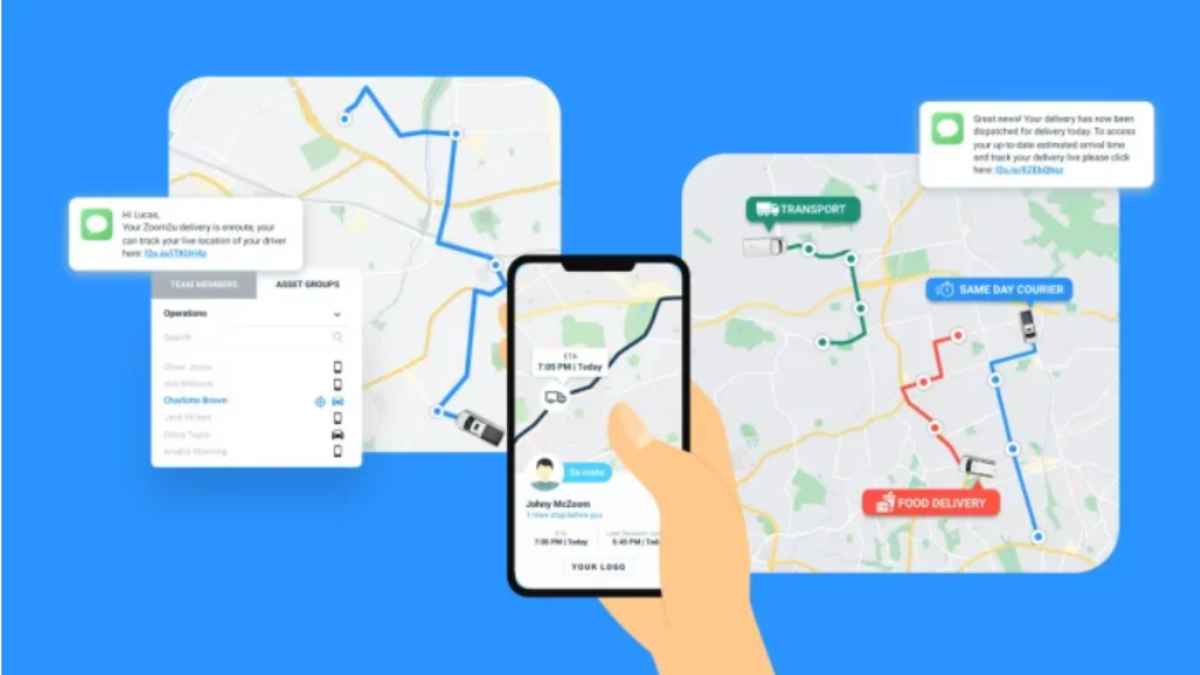
Last Mile Delivery Explained the Basics and Beyond
In the fast-moving world of last mile delivery operations, last mile delivery explained the basics and beyond has emerged as a defining factor for...