Streamlining Waste Management Routes a Guide for Optimal Efficiency
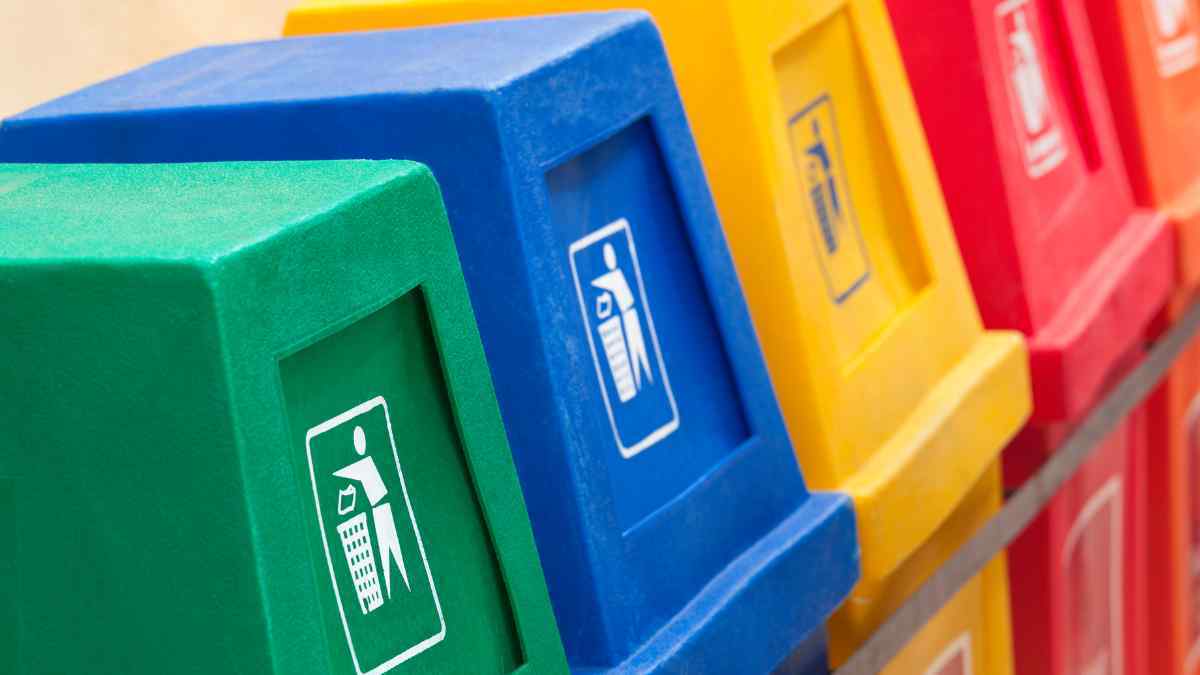
Waste collection is one of the most route-intensive operations in the logistics world. A single waste management company may run dozens of trucks across hundreds of stops each day, navigating tight residential streets, commercial loading docks, and industrial zones, all while working within strict time windows and regulatory constraints. Without optimized routing, these fleets burn through fuel, miss pickups, and leave money on the table with every shift.
Route optimization software has become a critical tool for waste management companies looking to do more with less. By replacing static, manually planned routes with dynamic, algorithm-driven schedules, collection fleets can reduce mileage, increase pickups per truck, and deliver a more reliable service to customers and municipalities alike.
This guide covers how route optimization applies specifically to waste collection and management fleets, the challenges unique to this vertical, and the measurable benefits that modern routing technology delivers.
The Unique Routing Challenges Waste Collection Fleets Face
Waste management routing is not the same as parcel delivery or field service scheduling. See how Perth Couriers delivers transparent refrigerated logistics with Locate2u. The operational variables are different, and any routing solution must account for them.
Variable Load Weights and Capacity Limits
Unlike a delivery van carrying parcels of roughly uniform size, a waste collection truck accumulates weight throughout its route. Compactor capacity, axle weight limits, and landfill or transfer station locations all factor into how many stops a truck can complete before it needs to offload. Route optimization software must account for cumulative load and insert disposal stops at the right points in the sequence to avoid overloading or wasted trips.
Time Windows and Noise Regulations
Many municipalities enforce strict collection windows. Residential neighborhoods may prohibit early-morning pickups before 7:00 AM due to noise ordinances. Commercial customers may require collection before business hours to keep loading areas clear. A missed time window does not just mean an unhappy customer. It can mean a regulatory fine. Effective route optimization builds these constraints directly into the schedule so that every stop is sequenced within its permitted window.
Zone-Based Regulations and Service Agreements
Waste collection often operates within defined geographic zones, each with its own rules for collection frequency, acceptable waste types, and approved disposal facilities. Some zones may overlap with environmental protection areas that restrict vehicle access during certain hours or seasons. Route planning must respect these boundaries while still producing efficient sequences across the full service territory.
Road Restrictions for Heavy Vehicles
Collection trucks are among the heaviest vehicles on urban roads. Bridge weight limits, low-clearance underpasses, narrow residential streets, and turning restrictions all affect which routes are actually drivable. Standard consumer navigation tools do not account for these constraints. Purpose-built route optimization for waste fleets factors in vehicle dimensions and weight to produce routes that are both efficient and legally compliant.
How Optimized Routes Transform Waste Collection Operations
When waste management companies move from static, experience-based route plans to algorithmically optimized schedules, the operational improvements are substantial and measurable.
Significant Fuel Savings
Fuel is one of the largest operating costs for any collection fleet. Optimized routes eliminate unnecessary backtracking, reduce total mileage, and sequence stops to minimize idle time in traffic. For a fleet running 20 or more trucks daily, even a 10 to 15 percent reduction in distance driven translates directly into thousands of dollars saved on fuel each month.
More Pickups Per Shift
Tighter route sequences mean drivers spend less time between stops and more time performing actual collections. This increased density allows fleets to either complete more pickups within the same shift length or reduce the number of trucks needed to cover the same service area. Both outcomes improve the bottom line.
Reduced Carbon Emissions
Fewer miles driven and less time idling means lower greenhouse gas emissions across the fleet. For waste management companies that report on sustainability metrics or bid on municipal contracts with environmental requirements, optimized routing provides a concrete, data-backed reduction in the fleet's carbon footprint.
Lower Vehicle Wear and Maintenance Costs
Collection trucks are expensive to maintain. Reduced mileage means less wear on brakes, tires, and engines. Fewer unnecessary stops and starts extend the life of hydraulic compaction systems. Over the lifespan of a fleet, these savings compound significantly.
Dynamic Routing for On-Demand and Overflow Pickups
Not all waste collection follows a fixed weekly schedule. Many commercial customers request on-demand pickups when bins overflow, construction sites generate sudden volumes of debris, or special events produce temporary waste surges.
Dynamic routing capabilities allow dispatchers to insert these ad-hoc pickups into existing routes in real time without disrupting the rest of the schedule. The software recalculates the optimal sequence, assigns the pickup to the nearest available truck, and updates the driver's route on the fly. This eliminates the need to send a dedicated truck for a single unplanned stop, which would otherwise be a costly and inefficient response.
For companies offering premium on-demand collection services, dynamic routing is not just a convenience. It is the operational backbone that makes the service model viable.
GPS Tracking and Real-Time Fleet Visibility
Route optimization works best when paired with real-time GPS tracking. Knowing where every truck is at any moment gives dispatchers the information they need to make fast decisions when conditions change.
Key benefits of GPS tracking for waste collection fleets include:
- Live location visibility for every vehicle in the fleet, displayed on a single dashboard
- Immediate identification of trucks that are running behind schedule or deviating from planned routes
- Faster response to breakdowns, road closures, or traffic disruptions by rerouting the nearest available vehicle
- Historical route data that reveals patterns and opportunities for further optimization over time
- Accurate arrival time estimates for customers and municipal coordinators
Without real-time tracking, dispatchers are working blind. They rely on phone calls and guesswork to manage a fleet that may be spread across an entire metro area. With it, they have a live operational picture that supports faster, better decisions. Learn more about how fleet management tools bring these capabilities together.
Customer Notifications and Pickup Windows
One of the most common complaints in waste collection is uncertainty. Customers, whether residential households or commercial property managers, want to know when their bins will be collected. Bins left at the curb all day are an eyesore and a liability. Bins brought out too late get missed entirely.
Route optimization software with integrated notification systems solves this by providing customers with accurate pickup windows and real-time updates. These notifications can include:
- A scheduled pickup window communicated the day before or the morning of collection
- An automated alert when the truck is a set number of stops away
- Confirmation once the pickup has been completed
- Proactive notification if the schedule changes due to weather, holidays, or route adjustments
This level of communication reduces inbound calls to customer service, decreases missed-bin complaints, and builds trust with the communities and businesses the fleet serves.
Proof of Service Documentation
Accountability matters in waste collection. Municipal contracts often require proof that scheduled pickups were completed on time. Commercial customers expect documentation for billing purposes. And in the event of a dispute, having a verifiable record protects the collection company.
Modern route optimization platforms include proof of service features that allow drivers to capture evidence at each stop:
- Timestamped GPS coordinates confirming the truck was at the pickup location
- Photo documentation of completed collections or issues like contaminated bins and blocked access
- Digital signatures or confirmation from on-site contacts for commercial accounts
- Automatic logging of arrival and departure times at every stop
This data feeds directly into reporting systems, making it straightforward to demonstrate contract compliance, resolve disputes, and identify recurring service issues at specific locations.
Multi-Stop Route Planning for Collection Runs
The core of waste collection routing is multi-stop planning. A single truck may need to visit 80 to 200 or more stops in a single run, and the order in which those stops are visited has an enormous impact on total time, distance, and fuel consumption.
Manual route planning, even by experienced dispatchers, cannot consistently find the most efficient sequence across that many variables. Route optimization algorithms evaluate thousands of possible sequences in seconds, factoring in road conditions, stop priority, vehicle capacity, time windows, and disposal facility locations to produce a route that a human planner simply could not replicate by hand.
As service areas grow, new customers are added, and schedules shift, the ability to re-optimize routes quickly becomes essential. What worked last month may not be the best plan this month. Software-driven planning ensures that routes evolve with the business rather than calcifying into outdated patterns.
Getting Started with Route Optimization for Waste Collection
Waste management companies that are still relying on fixed routes, paper manifests, or basic GPS without optimization are leaving significant efficiency gains unrealized. The technology to plan better routes, track fleets in real time, communicate with customers, and document every pickup already exists and is proven across thousands of collection operations worldwide.
The key is choosing a platform that handles the specific demands of waste collection: variable loads, strict time windows, heavy vehicle constraints, and high stop counts. A generic delivery routing tool will fall short. A purpose-built solution designed for fleet operations, like Locate2u's route optimization platform, accounts for these variables and scales with the fleet as it grows.
For waste management companies ready to reduce fuel costs, increase daily pickups, improve customer satisfaction, and gain full visibility over their fleet, route optimization is not an upgrade. It is the baseline for modern operations.
Explore how Locate2u helps collection fleets plan smarter routes, track vehicles in real time, and deliver proof of every pickup. Visit our route optimization and fleet management pages to learn more, or check out the Locate2u blog for more guides on fleet efficiency.
Related Articles
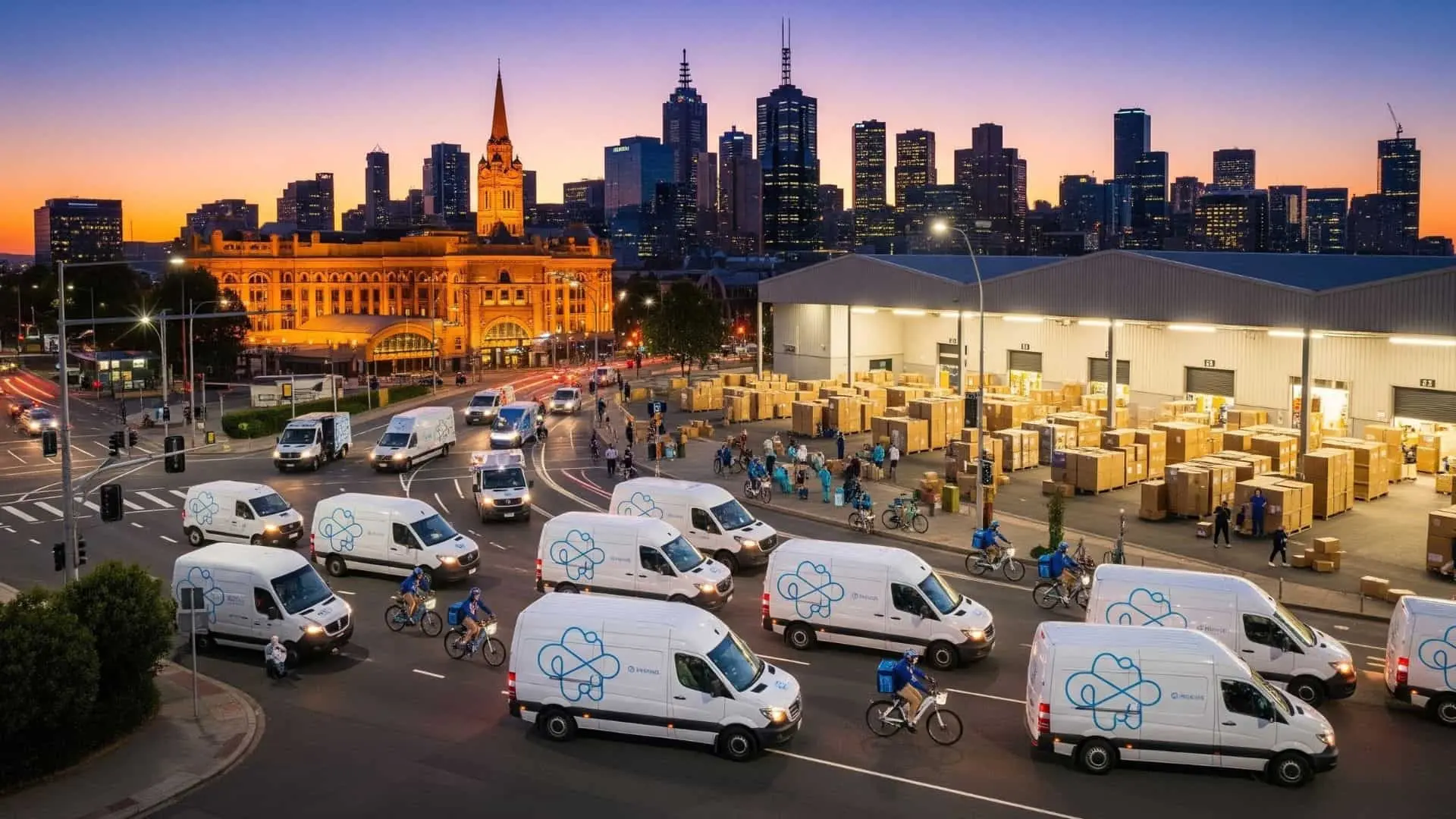
Scaling Delivery Operations With Business Growth in Melbourne
Melbourne's logistics sector is experiencing significant expansion, with approximately 30,000 courier companies nationwide maintaining a consistent 5% annual growth rate. True scalability relies on leveraging AI-driven route optimisation and immediate data to manage increasing order volumes...
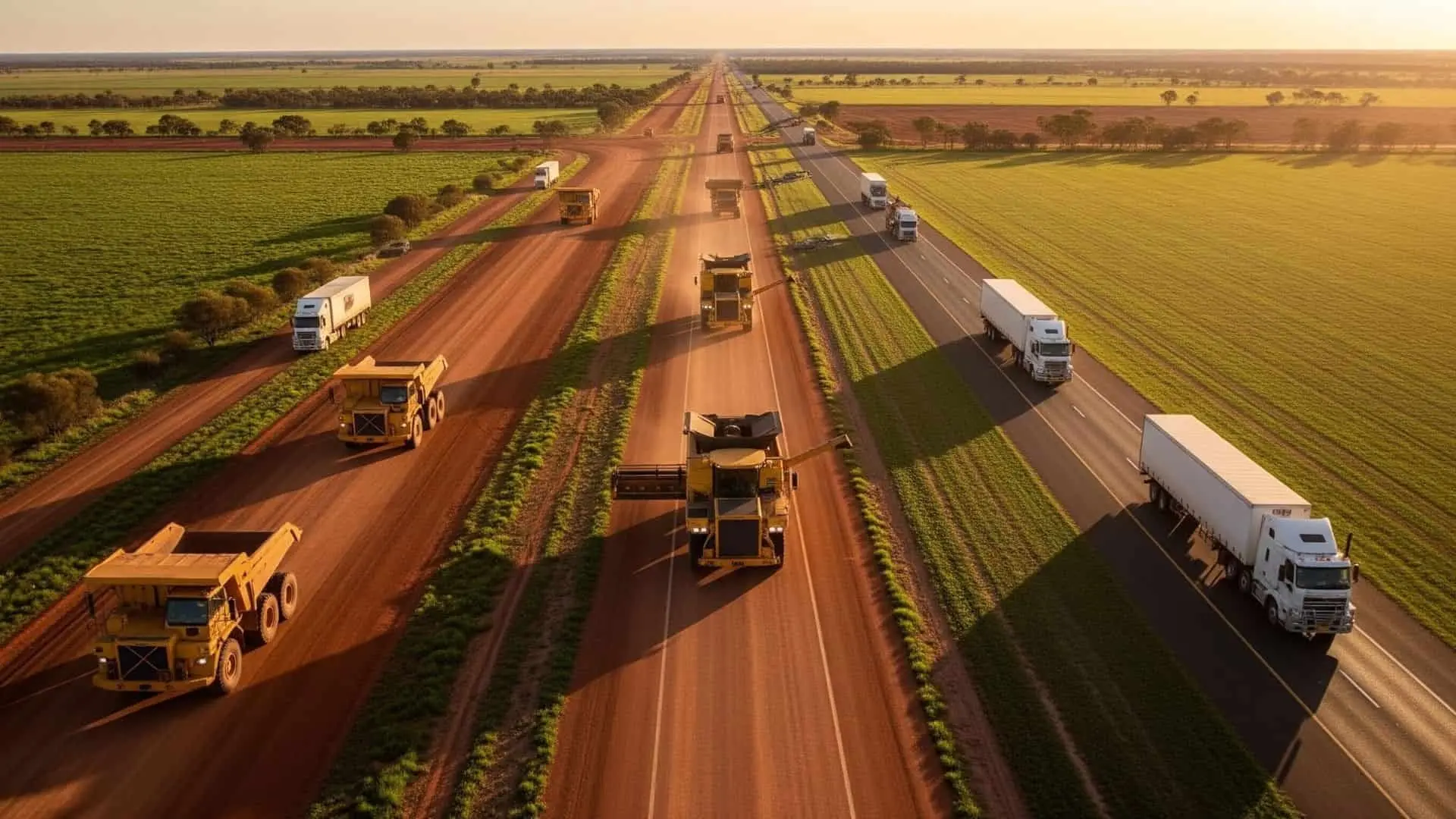
Managing Mixed Delivery Fleets Across Australian Operations
Running a diverse fleet across Australian operations is not a simple matter. Whether you're coordinating tractors and harvesters on a farm, managing utes and transport trucks for construction, or overseeing specialised equipment across multiple sites, the complexity can quickly become overwhelming...

What is Ai Logistics Agents
Ai Logistics Agents has become a critical consideration for logistics and supply chain management professionals in 2026. As businesses face mounting...