What is Long Haul Transportation
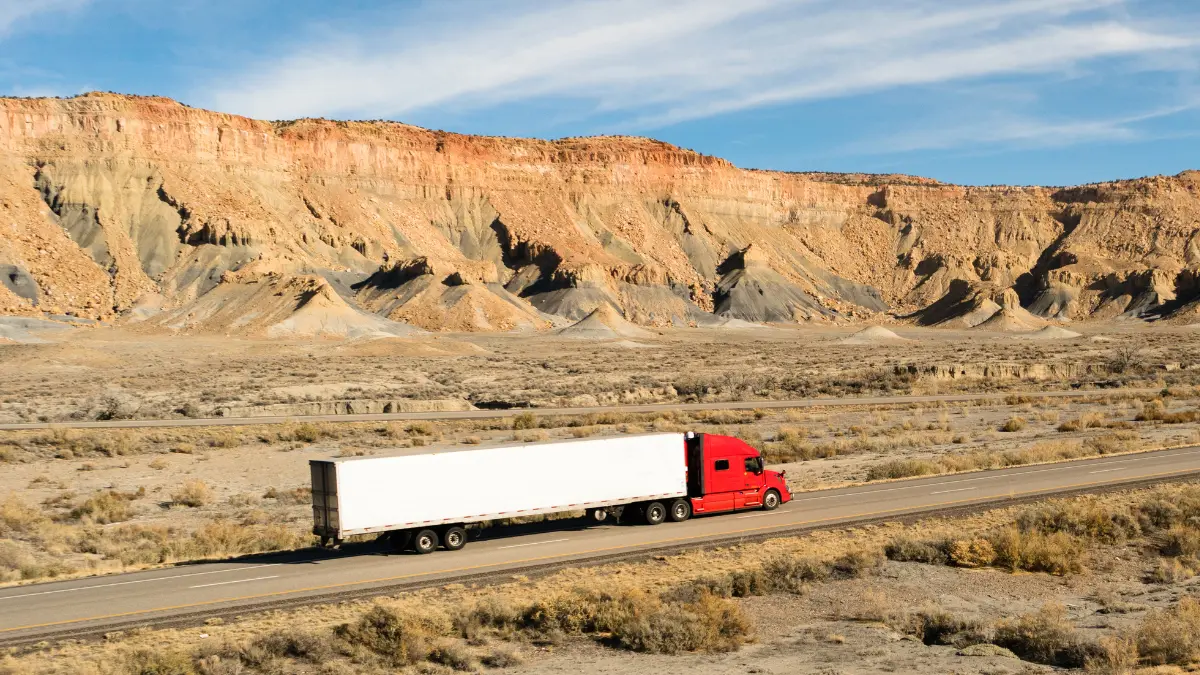
Long-haul transportation is the backbone of modern supply chains. Every product that travels hundreds or thousands of kilometres between distribution centres, manufacturing plants, and regional hubs relies on long-haul freight to get there. But long-haul is only part of the delivery equation. Once shipments arrive at their destination hub, businesses still need an efficient way to move goods the final stretch to customers.
This guide breaks down what long-haul transportation is, how it differs from line-haul, the challenges operators face, and how it connects to last-mile delivery networks that complete the supply chain.
What Is Long-Haul Transportation?
Long-haul transportation refers to the movement of goods over distances that typically exceed 400 kilometres. It covers freight journeys between major cities, interstate corridors, and cross-country routes. Long-haul shipments may travel for a full day or longer before reaching their destination, and drivers often spend multiple consecutive days on the road.
The defining characteristic of long-haul transport is distance. While a local delivery driver might complete dozens of stops in a single shift within a metropolitan area, a long-haul driver covers vast stretches of highway with a single large load bound for a distribution centre or regional warehouse.
Types of Long-Haul Transport
Long-haul freight moves across several transport modes depending on the cargo, urgency, and infrastructure available.
- Road freight (trucking): The most common form of long-haul transport. Semi-trailers, B-doubles, and road trains carry goods along highway networks. Trucking offers flexibility because vehicles can travel door-to-door without the need to transfer cargo between modes.
- Rail freight: Trains are efficient for moving bulk goods such as grain, minerals, and manufactured products over long distances. Rail is cost-effective per tonne-kilometre but requires loading and unloading at rail terminals, which adds handling time.
- Sea freight: For international long-haul or coastal routes, container ships move large volumes of goods between port cities. Sea freight is the most economical option for heavy or non-urgent cargo travelling overseas.
- Air freight: The fastest but most expensive option, air freight is reserved for time-sensitive or high-value goods that need to cover long distances quickly.
Most supply chains combine multiple modes. A shipment might travel by sea from an overseas manufacturer, then by rail to an inland distribution centre, and finally by truck to a regional hub. Each handover point introduces complexity that needs to be managed carefully.
Line-Haul vs Long-Haul: What Is the Difference?
These two terms are often used interchangeably, but they describe different segments of the freight network.
Long-haul refers specifically to extended-distance transport, typically over 400 kilometres, often crossing state or national boundaries. Long-haul journeys may take days to complete and require driver rest stops, fuel planning, and compliance with fatigue management regulations.
Line-haul is a broader term that describes any scheduled freight movement between two fixed points, regardless of distance. A line-haul route could be a 100-kilometre nightly shuttle between a warehouse and a sorting facility, or it could be a 2,000-kilometre interstate corridor. The key feature of line-haul is that it follows a regular, repeatable schedule between defined locations.
In practice, all long-haul transport is a form of line-haul, but not all line-haul qualifies as long-haul. A courier company running nightly vans between two nearby cities is performing line-haul, but the distance is too short to be considered long-haul. See how Perth Couriers delivers transparent refrigerated logistics with Locate2u.
Challenges in Long-Haul Transportation
Operating a long-haul freight network comes with significant operational challenges that directly affect cost, safety, and delivery reliability.
Driver Fatigue and Compliance
Long-haul drivers spend extended hours behind the wheel, making fatigue one of the most serious safety concerns in the industry. Regulations mandate rest breaks and maximum driving hours, but managing compliance across a fleet of drivers covering different routes requires careful scheduling. Businesses need systems that track driving hours, alert dispatchers when drivers approach their limits, and adjust schedules in real time.
Fuel Costs and Route Efficiency
Fuel is one of the largest variable costs in long-haul trucking. Even small improvements in route efficiency can produce meaningful savings over thousands of kilometres. Choosing routes that avoid unnecessary detours, road construction, and traffic bottlenecks directly impacts the bottom line. Technology that supports route optimization helps operators plan the most fuel-efficient paths and adapt when conditions change during transit.
Scheduling and Coordination
Long-haul shipments must arrive at distribution centres within tight windows to connect with the next stage of the supply chain. A truck arriving late at a cross-dock facility can delay dozens of downstream deliveries. Effective scheduling requires visibility across the entire journey, with real-time updates that allow dispatchers and receiving teams to adjust plans proactively rather than reactively.
Vehicle Maintenance and Downtime
Long-haul vehicles accumulate kilometres rapidly, which means maintenance cycles are frequent and critical. An unexpected breakdown on a remote highway can delay a shipment by a full day or more. Proactive fleet management systems help operators track vehicle health, schedule preventive maintenance, and reduce the risk of unplanned downtime.
The Role of Technology in Modern Long-Haul Operations
Technology has transformed long-haul transportation from a manual, paper-based operation into a data-driven process. Several key technologies now underpin efficient long-haul freight.
GPS Tracking and Real-Time Visibility
GPS tracking gives dispatchers and customers live visibility into where a shipment is at any given moment. This transparency improves planning accuracy and builds trust with downstream partners who depend on timely arrivals. When a long-haul truck is running behind schedule, real-time tracking allows receiving teams to adjust dock schedules and notify affected customers.
Route Planning Software
Modern route planning tools analyse road networks, traffic patterns, vehicle dimensions, and regulatory constraints to generate optimal routes. For long-haul operators, this means selecting highways that accommodate heavy vehicles, planning fuel stops at efficient intervals, and avoiding routes with restrictions that would force costly detours.
Driver Management Platforms
Digital driver management platforms track hours of service, manage shift handovers, and provide communication channels between drivers and dispatch. These platforms replace paper logbooks with electronic records that are easier to audit, improving both compliance and operational visibility.
How Long-Haul Feeds Into Last-Mile Delivery
Long-haul transportation does not deliver goods to end customers. Its role is to move freight in bulk between major nodes in the supply chain: factories, ports, distribution centres, and regional hubs. The final delivery to a customer's door, a retail store, or a business address is handled by last-mile delivery networks.
This handover from long-haul to last-mile is one of the most critical junctions in any supply chain. Here is how it typically works:
- Arrival at a distribution centre: A long-haul truck delivers a full load of mixed goods to a regional warehouse or cross-dock facility.
- Sorting and allocation: The shipment is broken down into individual orders or smaller batches destined for specific delivery zones.
- Last-mile dispatch: Smaller vehicles, such as vans or light trucks, are loaded with orders grouped by geographic area and dispatched on optimised delivery routes.
- Customer delivery: Drivers complete the final leg, delivering packages to homes, offices, or retail locations with proof of delivery captured at each stop.
The efficiency of last-mile delivery depends directly on how well the long-haul segment performs. Late arrivals at distribution centres create a ripple effect that delays sorting, loading, and dispatch. Inaccurate manifests lead to misrouted packages and failed deliveries.
Bridging Long-Haul and Last-Mile With the Right Tools
Businesses that receive goods via long-haul transport and then distribute them locally face a distinct set of challenges. They need to break bulk shipments into individual deliveries, plan efficient routes, manage drivers, and keep customers informed.
This is where delivery management and route optimization platforms become essential. Once goods arrive at your facility from a long-haul carrier, you need tools that help you:
- Plan optimised delivery routes that account for time windows, vehicle capacity, traffic conditions, and driver availability. Effective route optimization reduces kilometres driven, lowers fuel costs, and increases the number of deliveries each driver can complete per shift.
- Track your fleet in real time so you know exactly where each driver is, which deliveries have been completed, and whether any stops are at risk of running late.
- Capture proof of delivery with photos, signatures, and timestamps that confirm each package reached the right recipient. This closes the loop on the supply chain and provides documentation if disputes arise.
- Communicate with customers through automated notifications that share live ETAs, reducing failed deliveries caused by customers not being available to receive their orders.
Locate2u provides these capabilities in a single platform designed for businesses that manage local and regional deliveries. Whether you operate a distribution company that receives long-haul freight daily, a retailer restocking stores from a central warehouse, or an e-commerce business fulfilling orders from a regional hub, Locate2u helps you handle the delivery leg efficiently.
Long-haul transportation gets goods most of the way there. The right delivery management platform ensures they reach the people who ordered them, on time and in full. If your business sits at the junction between long-haul freight and customer delivery, explore how Locate2u can streamline your operations from warehouse to doorstep.
Related Articles
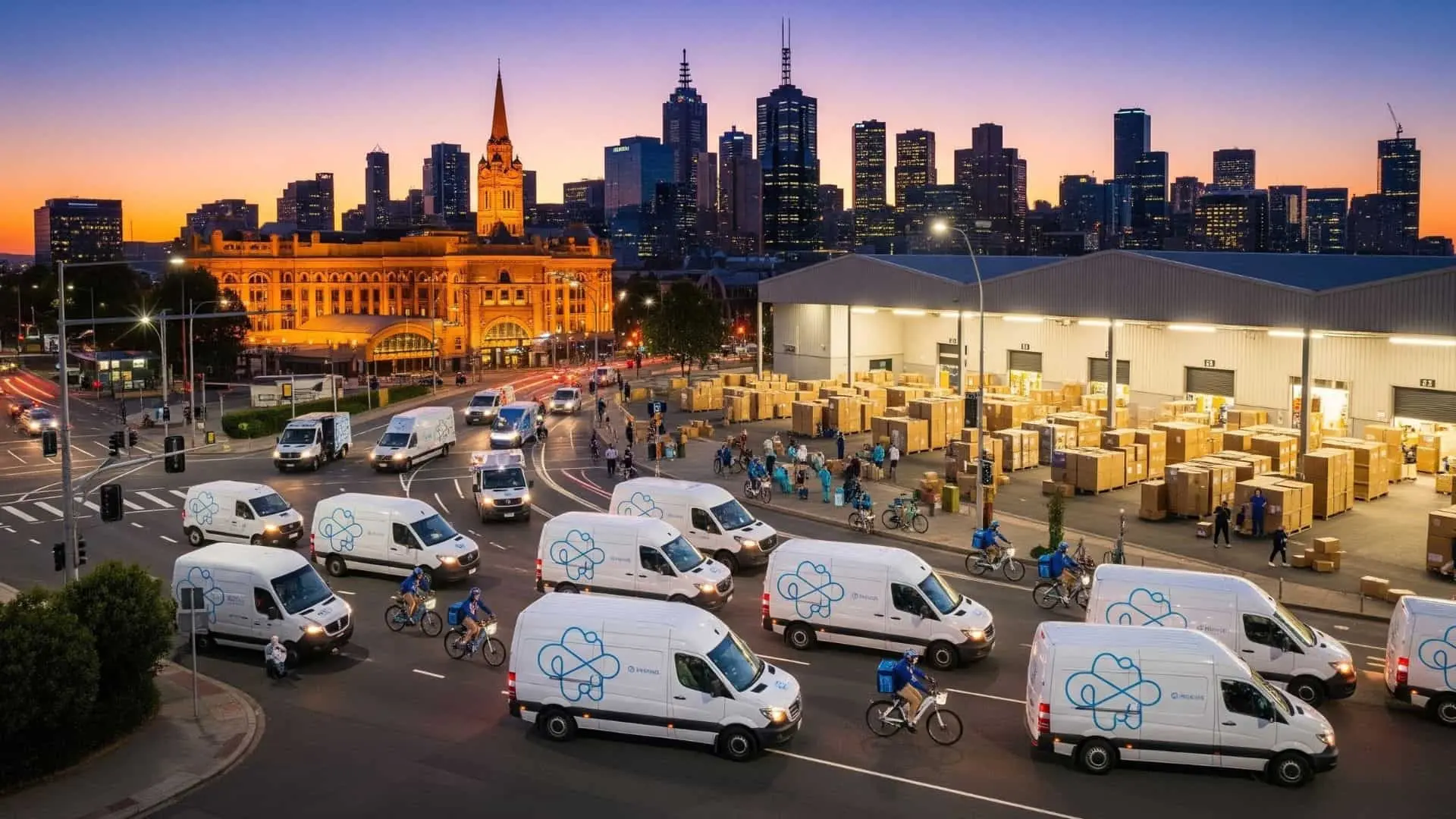
Scaling Delivery Operations With Business Growth in Melbourne
Melbourne's logistics sector is experiencing significant expansion, with approximately 30,000 courier companies nationwide maintaining a consistent 5% annual growth rate. True scalability relies on leveraging AI-driven route optimisation and immediate data to manage increasing order volumes...
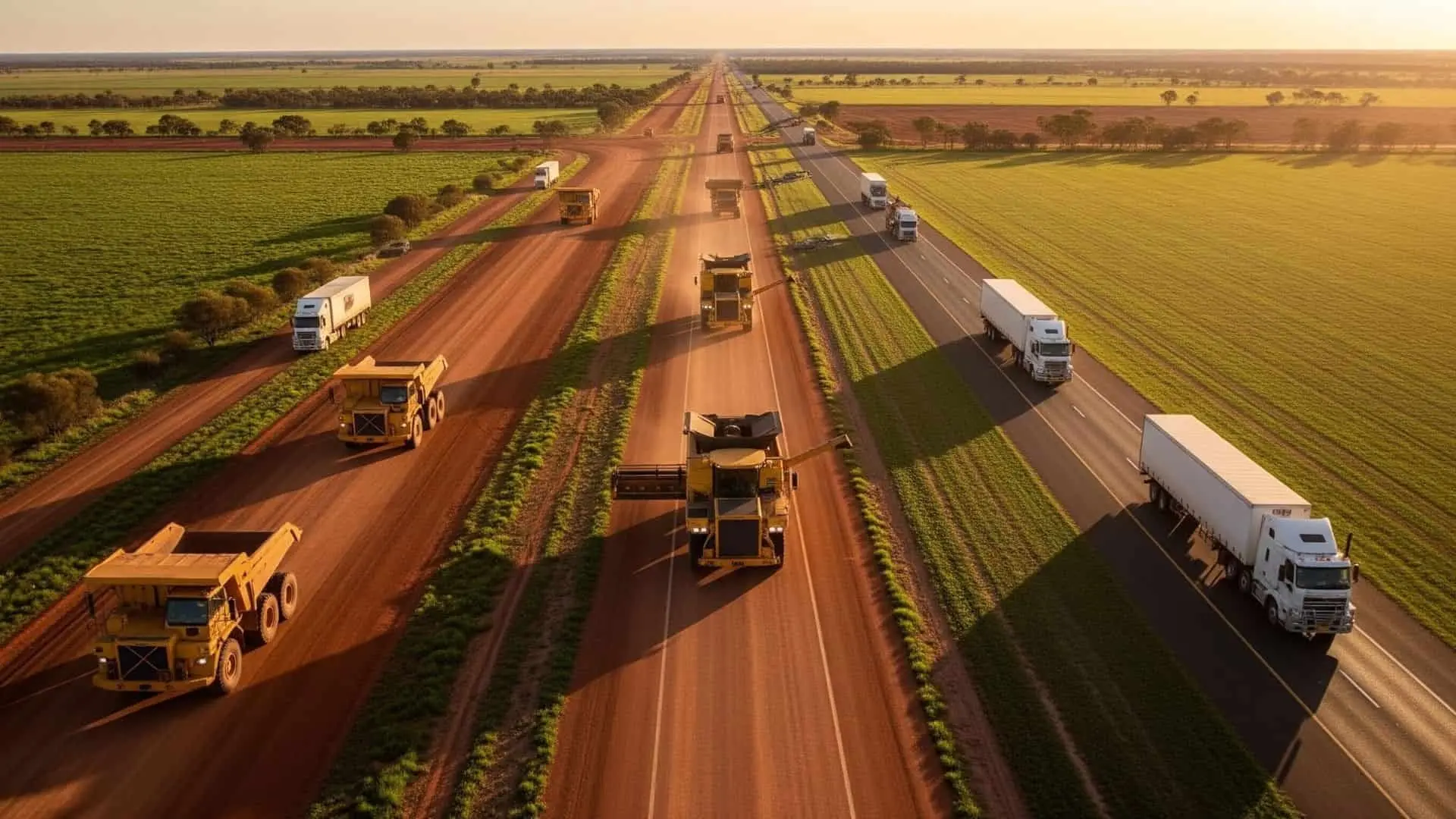
Managing Mixed Delivery Fleets Across Australian Operations
Running a diverse fleet across Australian operations is not a simple matter. Whether you're coordinating tractors and harvesters on a farm, managing utes and transport trucks for construction, or overseeing specialised equipment across multiple sites, the complexity can quickly become overwhelming...
What is Ai Logistics Agents
Ai Logistics Agents has become a critical consideration for logistics and supply chain management professionals in 2026. As businesses face mounting...