8 Ways Delivery Management Software Cuts Costs
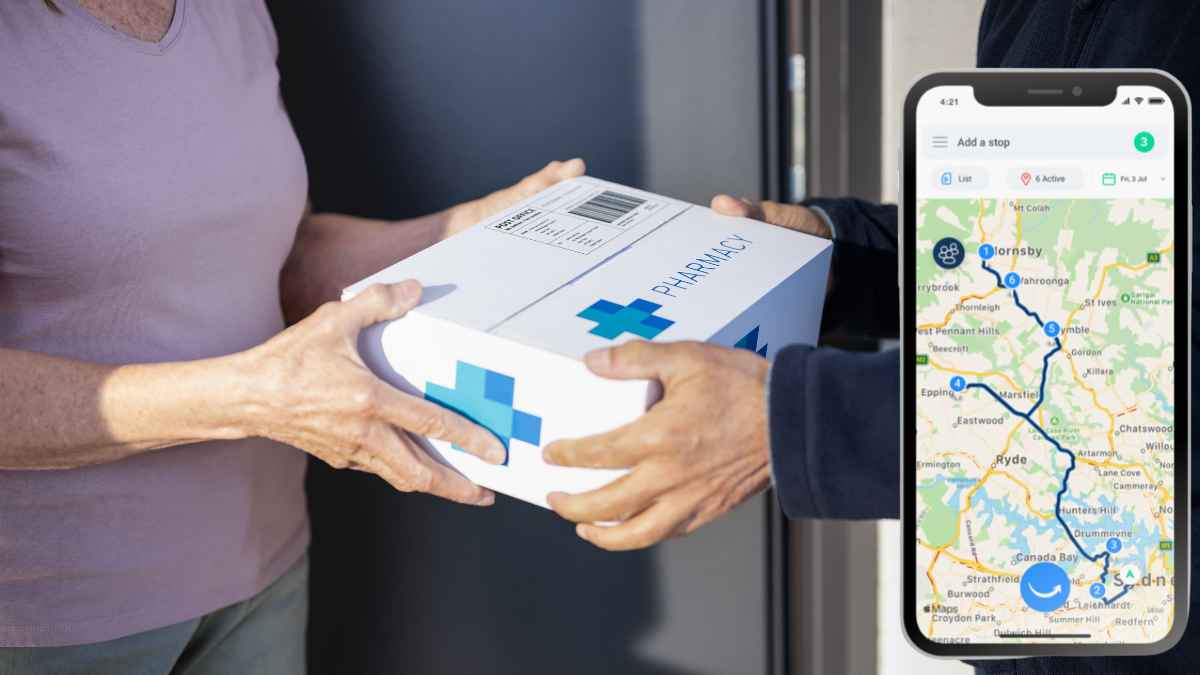
The cost of logistics rises every year, and it is related to fuel, labor, geopolitical issues, labor shortages, and demand. Delivery management software cuts these costs in a period where every dollar counts.
Flexible shopping solutions, tracking capabilities, an increased focus on green logistics, and efficient route planning are seen as the trends of the future in logistics.
But where can you find all of these capabilities in one place to make it as easy as possible for managers?
Consumer data reveals that more than half of online shoppers prioritize free shipping over fast delivery.
Industry research shows that over 80% of shoppers will increase spending to meet a retailer's free shipping threshold.
So, if free shipping is a priority for many consumers, how can a business afford it?
By cutting costs! Where do you start?
Let's take you through eight ways you can save in the long run by implementing and using delivery management software.
Route optimization helps cut costs
Delivery management software (DMS) is designed to streamline delivery operations.
Route optimization plays a crucial part in the process of planning routes and assigning drivers to find the most effective route for the entire delivery business.
According to logistics industry benchmarks, up to 70% of delivery costs can be reduced by using route optimization software. You save in the following areas:
- Labor costs of using people to constantly monitor the roads in real-time.
- Fuel expenses are cut by not spending long periods stuck in traffic.
- Vehicle maintenance and wear and tear are minimized by using shorter routes.
- Insurance costs are cut because efficient routes mean less time on the road.
Example: Imagine you own a clothing retailer with multiple warehouses. When routes are optimized for efficiency, products reach stores faster and at lower costs. This ensures availability to customers without the added expenses of inefficient routing.
Delivery management software reduces fuel consumption
Traffic congestion, heading straight into peak traffic, can be a real fuel thief.
However, delivery software helps businesses to plan and avoid these hurdles with automated scheduling.
When you streamline deliveries, fuel efficiency improves. Route optimization helps to choose the efficient route, which is not necessarily the shortest one on the map.
Example: Think of a fleet of vans operating in the health sector, distributing medical supplies. Delivery software helps cut costs and minimize emissions.
Cutting down on fuel costs with route optimization helps to promote sustainability, which also enhances brand reputation.
Enhanced fleet usage with DMS
Don't we all want to pack our delivery vans to maximum capacity, from top to bottom? It's tempting, right?
You might think you are winning with this trip, but in the long run, you are burning the fuel faster than you are making money.
Delivery management software helps to utilize the fleet without overburdening vehicles or underutilizing them.
What happens if you overload a delivery van?
Increased fuel consumption: An overloaded van requires more fuel to move the extra weight. Before you know it, all these extra dollars here and there can push your budget far over the limit.
The engine has to work harder to haul the excess load, especially uphill and during multiple drop-offs.
Improved labor efficiency with delivery management software
The average wage for delivery drivers can be expensive, especially when you have a large fleet. It's understandable that you want to improve your efficiency and make sure you pay for what you get.
With delivery management software, automated tasks are assigned, and real-time communication is streamlined, allowing drivers to focus on deliveries.
Delivery software helps reduce overtime costs, ensuring that drivers spend their days behind the wheel productively and without unfair strain on one or two drivers.
Managers can also track the performance of each driver and make sure each driver works optimally during specific times of the day.
Lowered maintenance costs as a result of DMS
Maintenance can add up if you have been putting it off for a long time. But let's face it, keeping track of all the different vehicles, when one needs to go to the workshop, and for what reason is tricky.
Industry research shows that the average fleet spends approximately $1,000 per vehicle annually on replacing just the tires. However, if delivery management software can track and diagnose each driver's driving habits, these costs can be drastically reduced.
It can also help to prevent large costs like the likelihood of breakdowns and costly repairs if regular maintenance is not done.
Delivery management software reduces delivery errors
Think of re-delivery costs and customer support costs. The expenses of failed deliveries fall on the business. It costs money to travel to the same area the next day and try to deliver again.
Delivery management software helps to improve the delivery rate.
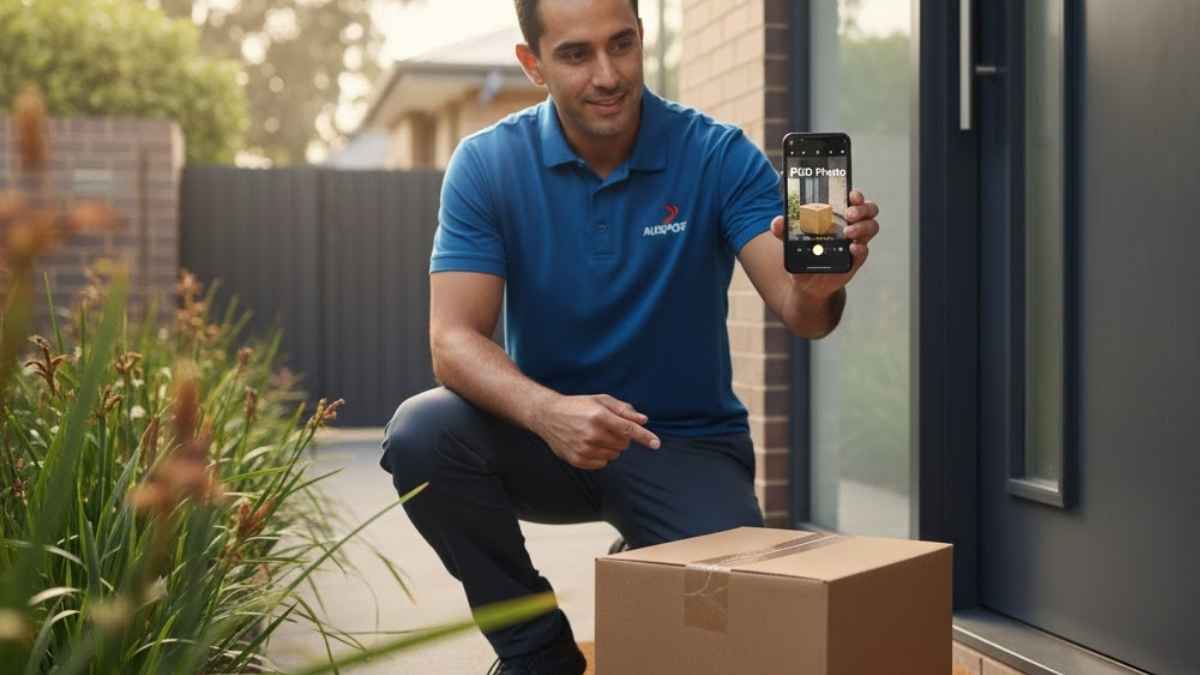
Proof of delivery and real-time tracking helps reduce errors like placing a parcel at the wrong doorstep. A simple photo of the delivery can help a manager spot an error with the address before it costs extra money to collect and re-deliver the parcel later.
With specific delivery instructions, fewer mistakes can be made.
With delivery management software, the right location is tracked, and successful deliveries are made within the first attempt.
It rules out all the unnecessary calls made by frustrated customers calling customer care to enquire about their parcel.
Improved customer satisfaction with delivery software
You want your customers to be happy and return for more business. Industry research shows that nearly 70% of shoppers say order tracking or driver tracking is a consideration before they even make a purchase online.
Customers want to receive delivery notifications to have complete visibility over the process. It makes customers happy. But don't stress; it's automated communication.
To improve customer satisfaction, delivery management software sends customers automated updates of where the delivery process is.
Customers receive a delivery tracking link, allowing them to follow along during the journey.
Automated updates are sent to the customer, informing the person about the delivery confirmation, when the parcel is out for dispatch, leaving the warehouse, in courier businesses' hands, and when it's heading your way. See how Perth Couriers delivers transparent refrigerated logistics with Locate2u.
Happier customers are more likely to buy from your business again and become loyal customers.
Minimized administrative overhead with DMS
Reducing paperwork and making sure work flows better save time and money. Delivery management software automates tasks that can take up a lot of time and effort such as:
- Invoicing
- Scheduling
- Creating data reports
That means fewer resources are spent on paper, labor, and planning.
Example: An online fashion retailer uses delivery software to handle high-volume orders, especially during peak seasons like Black Friday.
Instead of dispatchers manually assigning deliveries, the software automatically schedules drivers based on the locations from which they're ordered, delivery windows, and vehicle availability.
It reduces the workload of managers and dispatchers, freeing them to minimize scheduling errors that could lead to delivery delays and cost your company dearly.
The Cost-Saving Impact of DMS in 2026
2025-2026 data indicates that delivery management software adoption has accelerated across businesses of all sizes, driven by the need to control rising logistics costs. Industry research shows that businesses using comprehensive DMS platforms report an average 20-30% reduction in total delivery costs within the first year of implementation. These savings come from a combination of reduced fuel consumption, fewer failed deliveries, lower overtime expenses, and streamlined administrative processes.
According to logistics industry benchmarks, the return on investment for delivery management software is typically realized within three to six months. As delivery volumes and customer expectations continue to rise, the gap between businesses that invest in DMS and those that do not is widening considerably. The cost of inaction, in terms of lost customers, wasted resources, and competitive disadvantage, now far exceeds the cost of adoption.
The final journey: Saving costs with DMS
Every dollar counts, and to give customers what they want, such as free shipping costs, you have to pay close attention to your budget.
Often, these smaller costs keep on accumulating without notice, driving the operating costs up.
With DMS, critical logistics functions are integrated into a single, streamlined system. Freeing time, and money to afford what customers are looking for.
Key Takeaway: DMS Is the Foundation of Cost-Efficient Delivery
In 2026, delivery management software is not a luxury but a necessity for any business that delivers products to customers. The eight cost-cutting strategies outlined above, from route optimization to administrative automation, are all achievable through a single platform like Locate2u. By consolidating your delivery operations into one tool that handles routing, tracking, proof of delivery, and customer communication, you gain control over costs while simultaneously improving the customer experience. Visit our delivery management blog for more strategies on reducing logistics costs.
Related Articles
Delivery Management Software Guide
This comprehensive guide to delivery management software guide is designed for warehouse coordinators who want to move beyond surface-level understanding....
The Future of Proof of Delivery Photos Signatures and Beyond
In the fast-moving world of delivery operations and management, future of proof of delivery photos signatures and beyond has emerged as a defining factor...

Proof of Delivery Defence Porch Pirates
In the fast-moving world of delivery operations and management, proof of delivery defence porch pirates has emerged as a defining factor for operational...