Delivery Management Software Guide
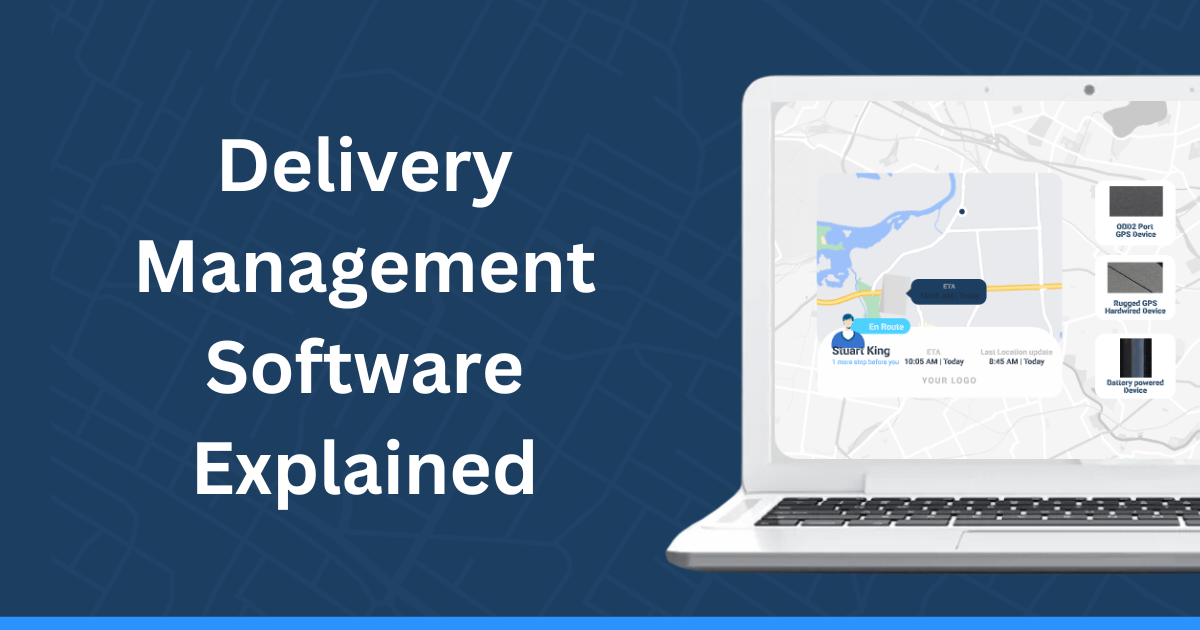
Picture this: You manage a delivery business, juggling dozens of deliveries daily. Managing routes, communicating with drivers... It all adds up, unless you use delivery management software to keep everything streamlined.
The entire process can become overwhelming fast, without the right tools. Imagine not being able to get deliveries done in a timely manner, or to handle the logistics of it all effectively.
By using delivery management software, you can take control of the way your business tackles the delivery process, while also cutting costs and improving customer service.
In this guide, we'll look at what exactly delivery management software is, as well as the core features, benefits, trends, and more.
And if you need to know how to choose the right software solution, we have that covered too. Ready to dive in?
What is Delivery Management Software?
Delivery management software is an advanced solution that assists businesses like yours to streamline their delivery operations.
It covers everything from route optimization and real-time tracking to automated scheduling and proof of delivery.
This type of software is specifically designed to reduce operational issues and ensure timely deliveries.
Why you need Delivery Management
Industry research shows the delivery management software market continues to expand rapidly. 2025-2026 data indicates the sector is growing at a compound annual growth rate exceeding 10%, driven primarily by the surge in e-commerce and the demand for efficient, reliable logistics solutions.
According to logistics benchmarks, businesses that adopt delivery management platforms see an average reduction of 15-20% in operational costs within the first year. The global market is projected to exceed US$4 billion by 2028, reflecting the massive role this technology plays in modern logistics.
Since the market sees such high rates of expansion and investment, it shows the critical role delivery management software plays across industries.
Thus, any business wanting to adopt advanced solutions to remain competitive will need to invest in reliable delivery management software.
Why? It is an investment that will keep business operations running smoothly while also keeping your customers happy, and keeping pace with an industry that is constantly changing at lightning-fast speeds.
Core features of delivery management software
Every delivery management system comes packed with tools designed to make logistics seamless. These features are actually essential for saving time and cutting costs.
Let's take a closer look at some of the standout capabilities.
1. Route Optimization
One of the most crucial features of delivery management software is route optimization.
It uses real-time traffic and weather data to design the most efficient delivery routes, reducing fuel consumption and travel time. For a deeper look at how this works, see our guide on route optimization and why it is essential.
2. Real-Time Tracking
With real-time tracking capabilities, businesses can monitor the exact location and status of their deliveries throughout the day.
This helps in addressing unforeseen issues promptly and keeping customers informed with accurate ETAs.
3. Scheduling and Dispatch Automation
Automated dispatch and delivery planning allows businesses to plan and assign deliveries effectively, ensuring that the right resources are available when needed.
This feature reduces the risk of errors and optimizes resource allocation.
4. Proof of Delivery
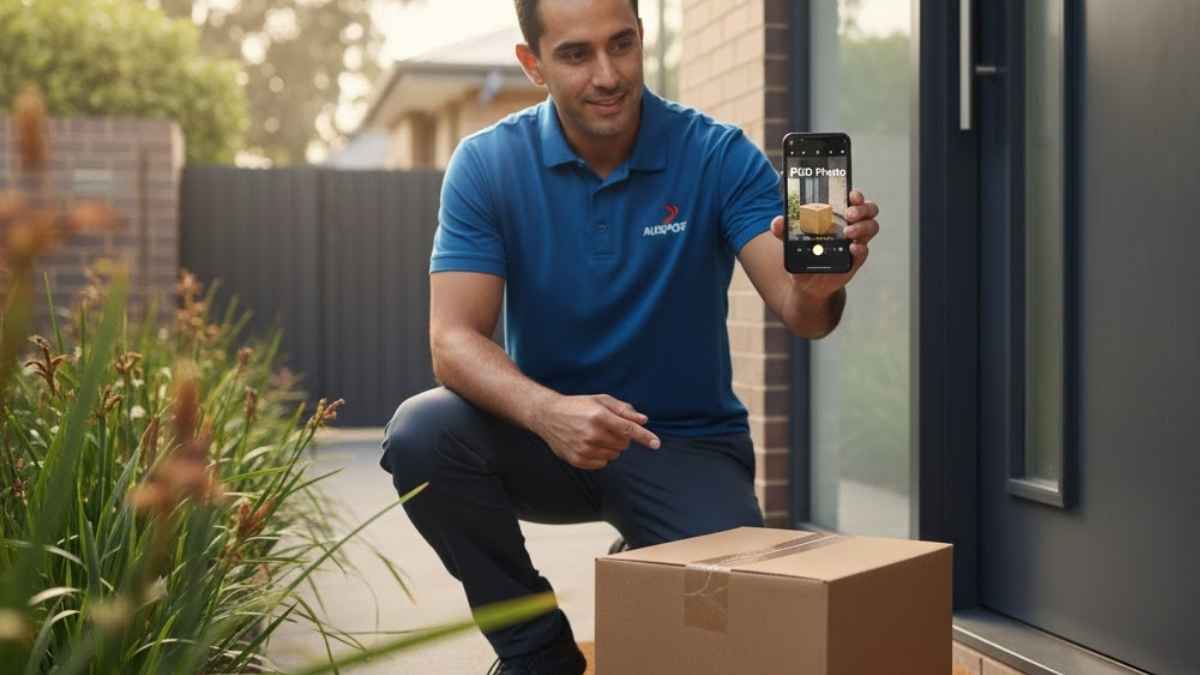
Electronic proof of delivery provides clear evidence that the delivery was completed successfully.
This can include e-signatures or photos, enhancing accountability and minimizing disputes.
Benefits of Delivery Management Software
Why should you invest in delivery management software?
Because the right solution doesn't just make deliveries easier, it changes your entire business, for the better!
Below, we'll look at some of the key benefits that can give you an edge over competitors.
1. Cost Reduction and Efficiency
Delivery management software reduces operational costs through optimized route planning, which cuts down on fuel usage and minimizes vehicle wear and tear.
It also automates tasks that would otherwise be manual, saving valuable time.
2. Improved Customer Satisfaction
With real-time tracking and accurate ETAs, customers stay informed about their delivery, building trust and enhancing their overall experience. See how Franz Building Supplies eliminated delivery disputes with Locate2u.
Prompt and reliable deliveries lead to repeat business and customer loyalty.
3. Enhanced Communication
The software enables seamless communication between dispatchers, drivers, and customers.
Automatic SMS updates and notifications keep everyone in the loop, ensuring that no detail is missed. To learn more about how communication impacts logistics performance, read our article on how poor scheduling and communication cost the logistics industry.
How to choose the right Delivery Management Software
Picking the right software isn't a one-size-fits-all decision. Your business has unique needs, and your delivery management system should meet them.
Here's how to make sure you choose the best fit for your operations.
1. Assess Your Business Needs
Evaluate your specific delivery requirements, such as delivery volume, customer base, even existing infrastructure to find a solution that aligns with your operational goals.
2. Prioritize Ease of Integration
Choose a software that integrates smoothly with your current systems like ERP or e-commerce platforms.
This helps in maintaining workflow consistency.
3. Look for User-Friendly Interfaces
Opt for software that is intuitive for both drivers and dispatchers. An easy-to-use platform ensures quicker training and higher adoption rates among your team.
For a detailed breakdown of features worth prioritizing this year, see our guide on delivery management software features to look for during 2026.
Key software options
When it comes to delivery management software, there are plenty of options on the market.
To help you compare, here is a breakdown of some of the top players in the field and what sets them apart.
1. Locate2u
Locate2u stands out for its user-friendly platform, real-time tracking, route optimization, and flexible integrations for small to medium-sized businesses.
One of the features is the ability to integrate seamlessly with existing systems, such as ERP and e-commerce platforms.
This is vital for ensuring a smooth transition and minimal disruption to workflows!
Businesses also love the platform's dynamic re-routing capabilities. It essentially lets you adjust delivery routes on the fly to avoid delays from traffic or unexpected issues.
Moreover, the real-time tracking capabilities allow customers to view live updates, while the proof of delivery feature (complete with electronic signatures and photo verification) provides peace of mind.
2. Onfleet
Known for intuitive interfaces and last-mile delivery solutions tailored for various industries.
3. Samsara
Offers comprehensive fleet tracking and safety monitoring tools, making it a strong contender for larger operations.
4. Verizon Connect
Provides in-depth vehicle tracking and route planning, suited for a wide range of business sizes.
5. Bringg
Focuses on connecting the entire delivery ecosystem, enhancing efficiency from order placement to delivery completion.
Future trends in Delivery Management
The world of delivery management is evolving faster than ever, all thanks to advancements in technology.
From artificial intelligence (AI) to IoT (the Internet-of-Things), these trends are shaping the future of logistics and giving businesses new ways to stay ahead.
1. AI and Predictive Analytics
AI-driven insights are being used to predict traffic patterns, potential delays, and optimal delivery windows, making deliveries even more efficient. To explore how AI is reshaping the logistics landscape, visit our deep dive on AI logistics explained.
2. Internet of Things (IoT)
IoT technology is enhancing delivery management by providing real-time data from sensors embedded in vehicles.
This helps monitor the condition of goods and track vehicle performance.
3. Autonomous Deliveries
The future of delivery management could see the incorporation of autonomous vehicles and drones, pushing the boundaries of delivery efficiency and innovation.
FAQs
1. What is delivery management software?
It is a tool used to streamline and manage delivery operations, ensuring efficiency and timely deliveries.
2. How does it enhance customer service?
By offering real-time tracking and automatic updates, businesses can keep customers informed and satisfied.
3. Can it integrate with existing business systems?
Yes, many delivery management solutions, including Locate2u, offer easy integration with ERP and eCommerce platforms.
4. How can I sign up for a trial of Locate2u?
Visit the Locate2u website and sign up for a trial to get started.
Delivery Management Software: Final takeaways
Delivery management software is an invaluable tool for businesses looking to optimize their logistics operations.
From route planning to real-time tracking and proof of delivery, these systems help reduce costs, improve customer satisfaction, and streamline overall delivery processes.
As technology evolves, staying ahead with the right software can make a significant difference in maintaining a competitive edge.
2026 Outlook
Looking ahead through 2026 and beyond, delivery management software is becoming less of a competitive advantage and more of a baseline requirement. Industry research shows that over 70% of logistics businesses now consider real-time tracking and automated dispatch as non-negotiable capabilities. Businesses that delay adoption risk falling behind on customer expectations, operational efficiency, and cost control.
The convergence of AI-powered route optimization, IoT-enabled vehicle monitoring, and predictive analytics is creating a new standard for delivery operations. If your business has not yet invested in a comprehensive delivery management platform, 2026 is the year to make that move.
Related Articles
The Future of Proof of Delivery Photos Signatures and Beyond
In the fast-moving world of delivery operations and management, future of proof of delivery photos signatures and beyond has emerged as a defining factor...

Proof of Delivery Defence Porch Pirates
In the fast-moving world of delivery operations and management, proof of delivery defence porch pirates has emerged as a defining factor for operational...
6 Steps to Automate your Delivery Management Workflow From Order to Door
In the fast-moving world of delivery operations and management, 6 steps to automate your delivery management workflow from order to door has emerged as a...