Contact Free Delivery
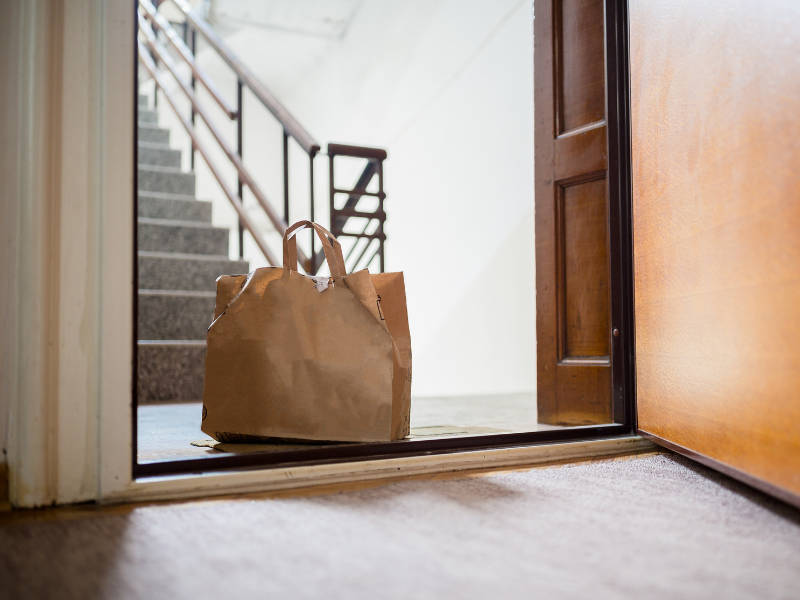
Contact-free delivery has evolved from an occasional convenience into a standard expectation across industries. Whether customers are ordering groceries, receiving parcels, or scheduling service appointments, the ability to complete a delivery without face-to-face interaction is now a baseline requirement for competitive delivery operations.
What Is Contact-Free Delivery?
Contact-free delivery, also known as contactless delivery, is a fulfilment method where goods are delivered to the recipient without requiring direct physical interaction between the driver and the customer. The driver leaves the package at a designated location, confirms the delivery through digital means, and moves on to the next stop.
This approach has become the default across food delivery, eCommerce, pharmacy, grocery, and courier services. See how SuperPharmacy cut route planning time by 83% with Locate2u. Customers appreciate the flexibility it provides, and businesses benefit from faster drop-off times, reduced delivery disputes, and streamlined operations.
Contact-free delivery is not simply about leaving a parcel on a doorstep. It is an end-to-end digital workflow that begins when an order is placed and concludes when the delivery has been verified through digital means.
How Contact-Free Delivery Works: Step by Step
A well-executed contact-free delivery follows a structured process that keeps all parties informed at every stage.
1. Order Placement and Digital Payment
The customer places an order through a website, app, or booking portal and completes payment digitally. This eliminates the need for any cash or card exchange at the point of delivery.
2. Dispatch and Route Assignment
Once the order is confirmed, it is assigned to a driver through delivery management software. The system optimises the route, accounts for delivery windows, and provides the driver with all the information they need, including any special delivery instructions from the customer.
3. Automated Customer Notifications
As the driver progresses through their route, the customer receives automated status updates including dispatch alerts, estimated arrival time, and a final notification when the driver is approaching.
4. Real-Time Tracking
Customers can follow their delivery in real time through a tracking link or portal. Real-time GPS tracking gives customers visibility into exactly where their delivery is and when it will arrive. This transparency reduces missed deliveries and eliminates the need for customers to wait by the door.
5. Contactless Drop-Off
The driver arrives at the delivery location, places the goods in the designated spot (front door, reception desk, mailroom, or a customer-specified safe place), and steps back. There is no need for the customer to be physically present at the moment of delivery.
6. Digital Proof of Delivery
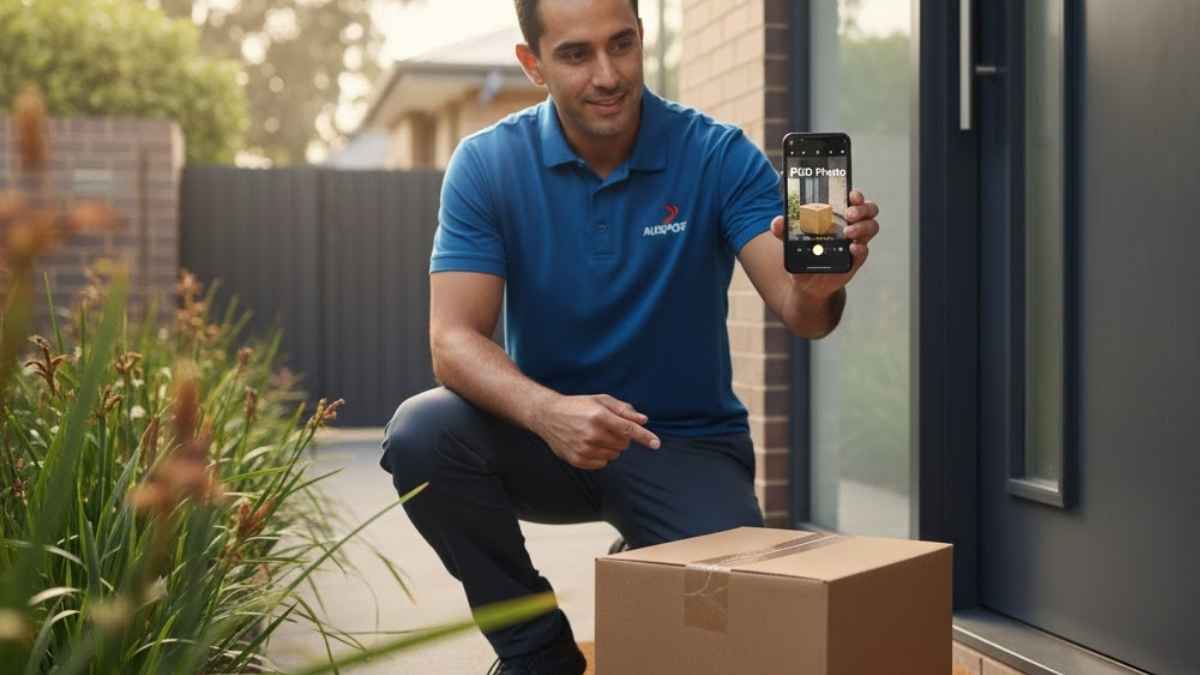
Instead of collecting a signature, the driver captures digital proof of delivery. This includes a photograph of the parcel at the delivery location, GPS coordinates confirming the correct address, and a timestamp. The proof is automatically attached to the order record.
Key Components of Contact-Free Delivery
Several technologies and processes work together to make contact-free delivery reliable and scalable.
Digital Proof of Delivery
Photo POD has become the gold standard for verifying contactless deliveries. Drivers photograph the parcel at the drop-off point, and the image is stored against the order record along with GPS data and a timestamp. This creates an indisputable record that protects both the business and the customer in the event of a dispute.
Real-Time GPS Tracking
Live tracking gives dispatchers full visibility over their fleet and gives customers confidence that their delivery is on its way. For contact-free delivery specifically, tracking replaces the need for the customer to physically meet the driver, since they can see exactly when the delivery has been completed.
Automated Notifications and Alerts
SMS and email notifications at key milestones keep customers informed throughout the delivery journey. Automated alerts when the driver is nearby give customers time to prepare, and a delivery confirmation notification lets them know their order has arrived, even if they are not at home.
Digital Payment Processing
Eliminating cash-on-delivery and card-at-door transactions is essential for a truly contactless process. Digital payments completed at the time of ordering ensure that no financial exchange is needed at the point of delivery.
Driver Mobile App
Drivers need a reliable mobile application that allows them to navigate to the delivery address, view customer instructions, capture proof of delivery, communicate with dispatchers, and mark deliveries as complete. A well-designed driver app is the operational backbone of any contact-free delivery system.
Benefits for Businesses
Contact-free delivery offers significant operational advantages beyond customer satisfaction.
- Faster delivery times: Without waiting for customers to answer the door or sign for packages, drivers spend less time at each stop, translating directly into more deliveries per route.
- Reduced delivery disputes: Photo proof of delivery creates a clear, timestamped record that resolves most disputes before they escalate.
- Lower operational costs: Automated notifications and digital workflows reduce inbound customer enquiries about delivery status, lowering support costs.
- Improved driver productivity: Drivers maintain a consistent pace through their routes without unpredictable delays, making route planning more accurate and scheduling more reliable.
- Stronger digital records: Every delivery generates a complete digital trail including GPS coordinates, photos, and timestamps, supporting performance analysis and compliance.
Benefits for Customers
The customer experience improves significantly when contact-free delivery is implemented well.
- Flexibility: Customers do not need to be home at the exact moment of delivery. They can specify a safe place and receive confirmation that their order has arrived.
- Transparency: Real-time tracking and automated notifications keep customers informed without requiring them to chase updates.
- Speed: Contactless drop-offs are typically faster, which means tighter delivery windows and more accurate ETAs.
- Convenience: The entire transaction, from ordering to payment to delivery confirmation, happens digitally with no paperwork or signatures required.
- Peace of mind: Photo proof of delivery provides assurance that the package was delivered to the correct location, even if the customer was not there to receive it in person.
Best Practices for Implementation
Businesses transitioning to or optimising their contact-free delivery operations should follow these best practices.
Set Clear Customer Expectations
Communicate the contactless process clearly at the point of ordering. Let customers know they will receive notifications and give them the option to specify a preferred drop-off location.
Invest in Reliable Proof of Delivery
Photo POD is non-negotiable for contact-free delivery. Ensure your drivers are trained to take clear, well-lit photos that show the package and its surroundings. GPS tagging on every delivery provides an additional layer of verification.
Automate Notifications at Every Stage
Configure automated updates for order confirmation, dispatch, driver approaching, and delivery complete. Each notification should include a link to track the delivery in real time.
Provide Delivery Instructions Options
Allow customers to specify exactly where they want their delivery left. Options like front door, side gate, reception, or a custom instruction give customers control and reduce the likelihood of misplaced deliveries.
Train Drivers on the Process
Contact-free delivery requires drivers to follow a consistent process at every stop. Training should cover proper photo documentation, following customer instructions, handling exceptions, and using the driver app efficiently.
Common Challenges and Solutions
Even well-designed contact-free delivery systems encounter challenges. Here are the most common issues and how to address them.
Delivery Disputes
Without a physical handover, customers may claim they did not receive their delivery. The solution is comprehensive proof of delivery that combines photo evidence, GPS coordinates, and timestamps. When a dispute arises, this evidence resolves the issue quickly and objectively.
Incorrect Drop-Off Locations
Drivers may leave packages in the wrong spot, especially at apartment complexes or commercial buildings. Clear delivery instructions from the customer, combined with GPS verification at the point of delivery, significantly reduce this problem.
Missed Delivery Notifications
If a customer does not receive their delivery notification, the package may sit unattended for hours. Using multiple notification channels (SMS and email) and requiring delivery confirmation in the driver app ensures that customers are informed promptly.
Package Security
Parcels left unattended can be vulnerable to theft or weather damage. Encouraging customers to provide specific safe-place instructions and offering delivery time windows that align with when someone is likely to be nearby helps mitigate this risk.
How Delivery Management Software Enables Contactless Delivery
Running contact-free delivery at scale requires purpose-built delivery management software that connects every part of the process. The right platform handles route optimisation, driver dispatch, real-time tracking, automated notifications, and digital proof of delivery in a single integrated system.
Key capabilities to look for include GPS-based proof of delivery with photo capture, automated customer notifications triggered by driver actions, a real-time tracking portal customers can access without downloading an app, and a driver app that guides the contactless workflow step by step.
Contact-free delivery is no longer an alternative option. It is the standard that customers expect and that efficient delivery operations are built around. Businesses that invest in the right processes and technology to support it will deliver faster, resolve disputes more easily, and build stronger customer relationships as a result.
Related Articles
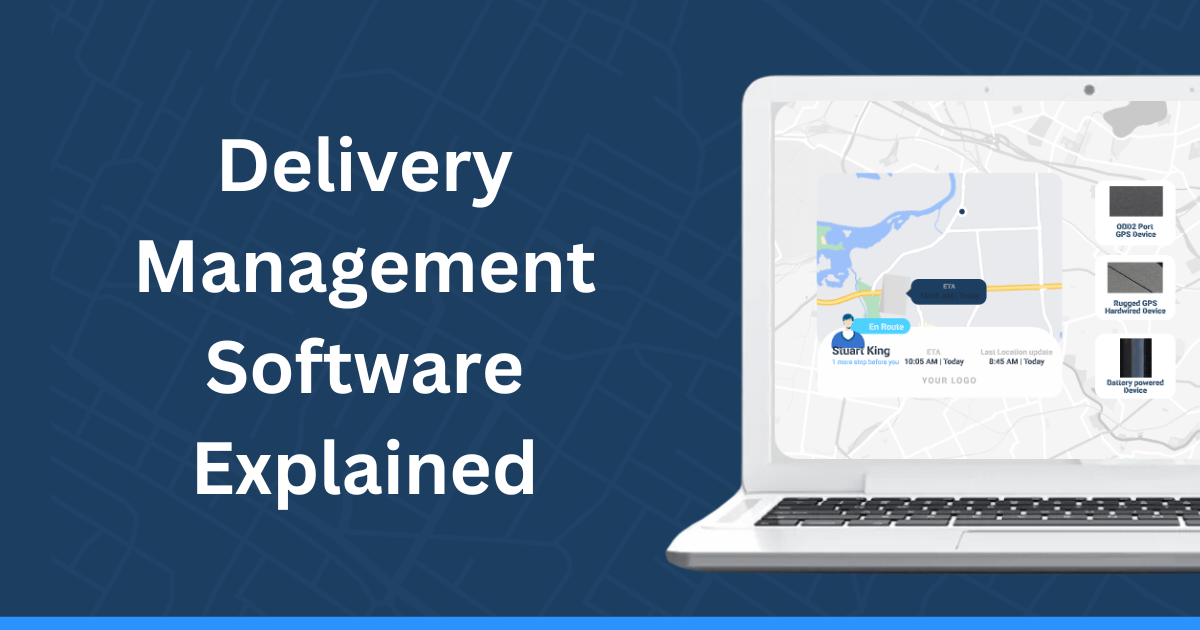
Delivery Management Software Guide
This comprehensive guide to delivery management software guide is designed for warehouse coordinators who want to move beyond surface-level understanding....
The Future of Proof of Delivery Photos Signatures and Beyond
In the fast-moving world of delivery operations and management, future of proof of delivery photos signatures and beyond has emerged as a defining factor...

Proof of Delivery Defence Porch Pirates
In the fast-moving world of delivery operations and management, proof of delivery defence porch pirates has emerged as a defining factor for operational...