Cut Delivery Losses with a Transport Management System
If your logistics business is losing money on deliveries and watching customers disappear, you are not alone. Late deliveries, missed addresses, and spoiled cargo are problems that plague businesses across every segment of the industry. But they are also problems with a clear solution.
Whether you are a trucking company, a restaurant, or a courier service, delivering on time is not just important for customer satisfaction. It is essential for survival. In 2026, customers have more options than ever, and a single bad delivery experience can send them to a competitor permanently.
Before I invested in delivery technology, clients were constantly frustrated. Cargo was spoiling because drivers took congested routes. Trucks were getting lost, leading to missed deliveries. And every failed delivery was costing the business money in refunds, redeliveries, and lost customers.
If you are experiencing this right now, here is what you need to know: a transport management system can stop the bleeding and put your deliveries back on track.
Understanding the True Cost of Delivery Failures
Most logistics operators underestimate how much failed deliveries actually cost. The obvious expense is the redelivery itself, but the full cost picture is much larger:
- Direct redelivery costs: Every failed delivery attempt costs between $15 and $25 when you factor in fuel, driver time, and vehicle wear. For a business processing hundreds of deliveries per week, this adds up to thousands of dollars monthly.
- Spoiled or damaged goods: When perishable cargo takes an inefficient route, temperature-sensitive items can arrive compromised. The cost is not just the product itself but also the replacement shipment and the damage to your reputation.
- Customer churn: Industry research suggests that approximately 30% of customers will not order from a business again after a single poor delivery experience. Over time, this churn erodes your revenue base far more than any individual failed delivery.
- Support overhead: Every delivery issue generates customer contacts, whether phone calls, emails, or social media complaints. Your support team spends time on reactive problem-solving instead of proactive service.
- Opportunity cost: Time spent dealing with delivery failures is time not spent growing your business, acquiring new customers, or improving your operations.
How Real-Time Tracking Fixes Late Deliveries
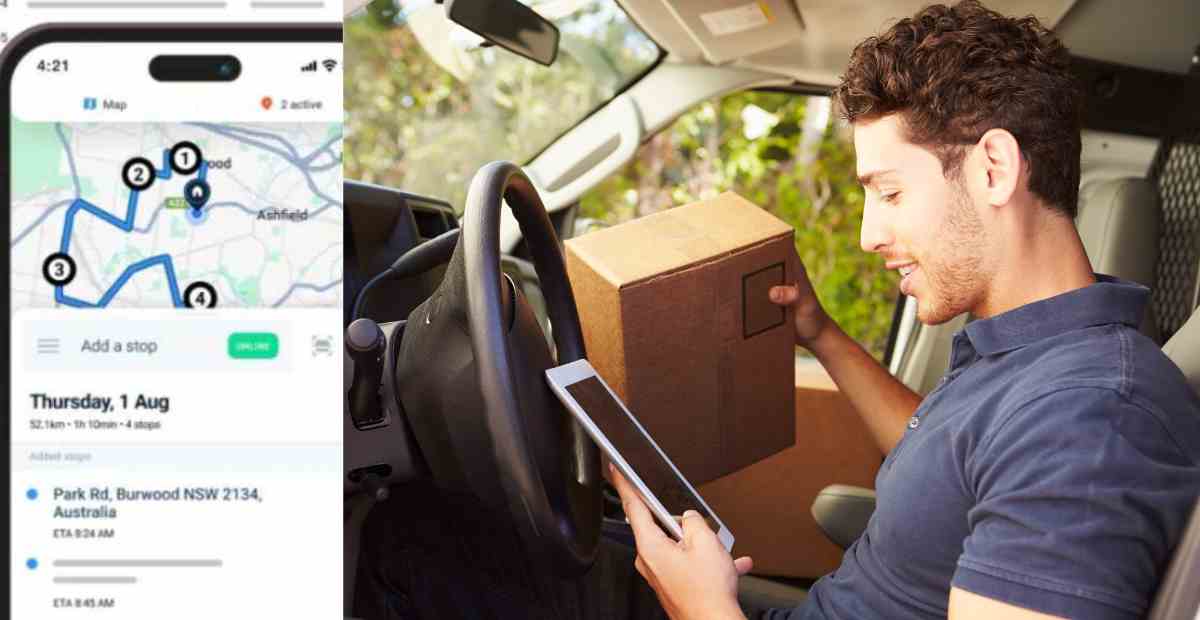
Picture this: You dispatch your fleet for the day's deliveries. Instead of hoping for the best, you can see each vehicle's location on a live map. You know exactly where every driver is, which stops have been completed, and which are still pending.
Real-time tracking through a transport management system gives you the visibility to manage your deliveries proactively rather than reactively:
- Instant status checks: When a customer calls about their delivery, you can provide an accurate ETA in seconds without needing to call the driver.
- Proactive intervention: If a driver is falling behind schedule, you can see it happening in real time and take action, whether that means reassigning a stop to another driver or notifying the customer about a delay before they notice.
- Driver accountability: When drivers know their location and progress are visible, they stay on route and maintain a professional pace. Unauthorized stops and excessive breaks become easy to identify.
- Better customer communication: Share live tracking links with customers so they can follow their delivery themselves. This reduces inbound support calls and builds trust through transparency.
Businesses that implement real-time tracking typically see on-time delivery rates improve by 15-25% in the first few months. The visibility alone changes how your entire operation functions.
Route Optimization: The Foundation of Efficient Delivery
If your drivers are still following manually planned routes or relying on general navigation apps, you are leaving money on the table. Route optimization is one of the highest-return features of a transport management system.
Route optimization algorithms consider dozens of variables simultaneously: traffic patterns, delivery time windows, vehicle capacity, driver schedules, and the geographic sequence of stops. The result is a route that minimizes drive time, reduces fuel consumption, and maximizes the number of deliveries per shift.
The practical impact is significant:
- Fuel savings of 15-25%: Shorter, smarter routes mean less time on the road and less fuel burned. For fleet operations, this represents one of the largest and most immediate cost reductions.
- More deliveries per driver: Efficient routing allows each driver to complete more stops in the same timeframe, increasing your delivery capacity without adding vehicles or staff.
- Reduced overtime: When routes are planned efficiently, drivers finish their runs closer to scheduled end times, reducing costly overtime hours.
- Dynamic rerouting: When traffic incidents, road closures, or weather conditions disrupt the original plan, the system recalculates the best route in real time, keeping deliveries on schedule.
How a TMS Helps Restaurants and Food Delivery
Restaurants face a unique set of delivery challenges. See how Husk Bakery increased deliveries by 30% with Locate2u. Food has a narrow window of quality: it needs to arrive hot, fresh, and intact. A driver who takes a wrong turn or gets stuck in traffic does not just deliver late. They deliver a cold, disappointing meal that the customer will likely send back.
A transport management system addresses these challenges directly:
- Optimized routes for speed: The software plans the fastest path to each customer, keeping food quality high and delivery times short.
- Accurate address handling: All delivery details are stored in the system, eliminating wrong-address deliveries caused by miscommunication or manual errors.
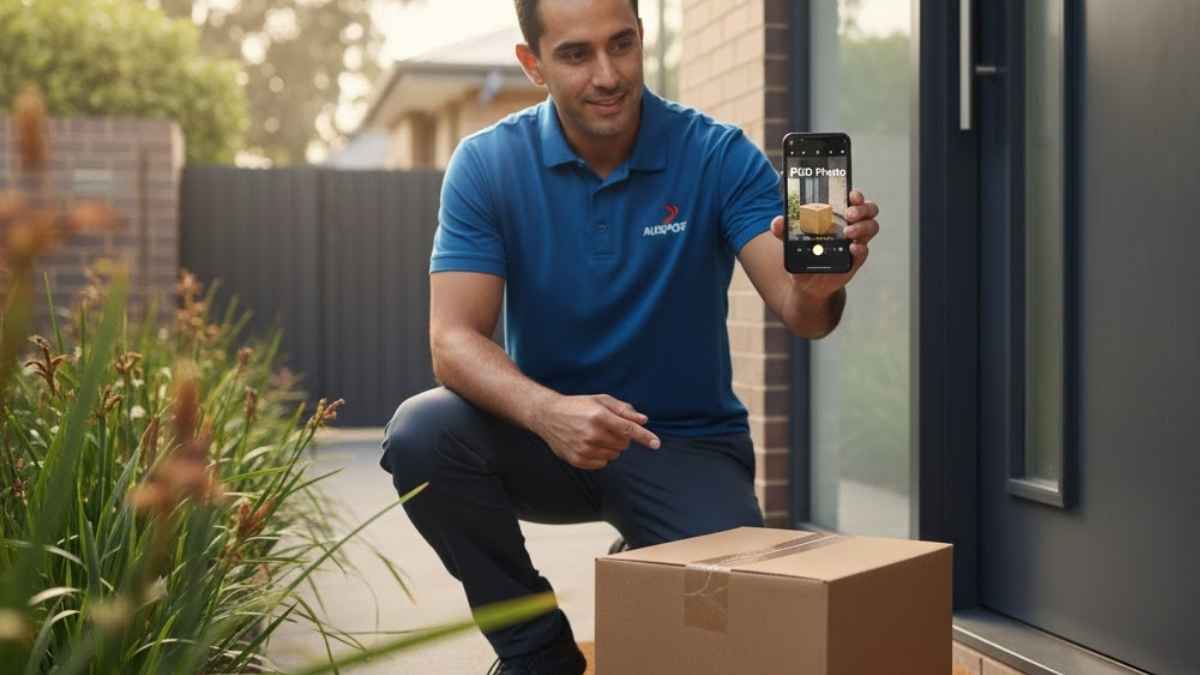
- Proof of delivery: Drivers capture a photo of the delivered order, creating a record that protects your business if a customer claims they never received their food.
- Batch optimization: For restaurants handling multiple simultaneous orders, the system groups nearby deliveries together to maximize efficiency without sacrificing speed.
A Transport Management System Means Delivery Success
Your deliveries do not have to be a constant source of stress and lost revenue. A transport management system brings together the tools you need to deliver reliably, efficiently, and profitably.
Locate2u combines route optimization, real-time tracking, proof of delivery, and dispatch management in a single platform designed for businesses of every size. Whether you are a restaurant managing local food deliveries or a logistics company coordinating cross-country cargo, the platform scales to fit your needs.
I want to leave you with this: once I started using a transport management system, my logistics process improved in a way that gave me time to search for new business opportunities, scale my operations, and stop spending late nights pouring over spreadsheets. The technology paid for itself within months, and the improvement in customer satisfaction was immediate.
Stop losing money on failed deliveries. Invest in the tools that make every delivery count.
Related Articles
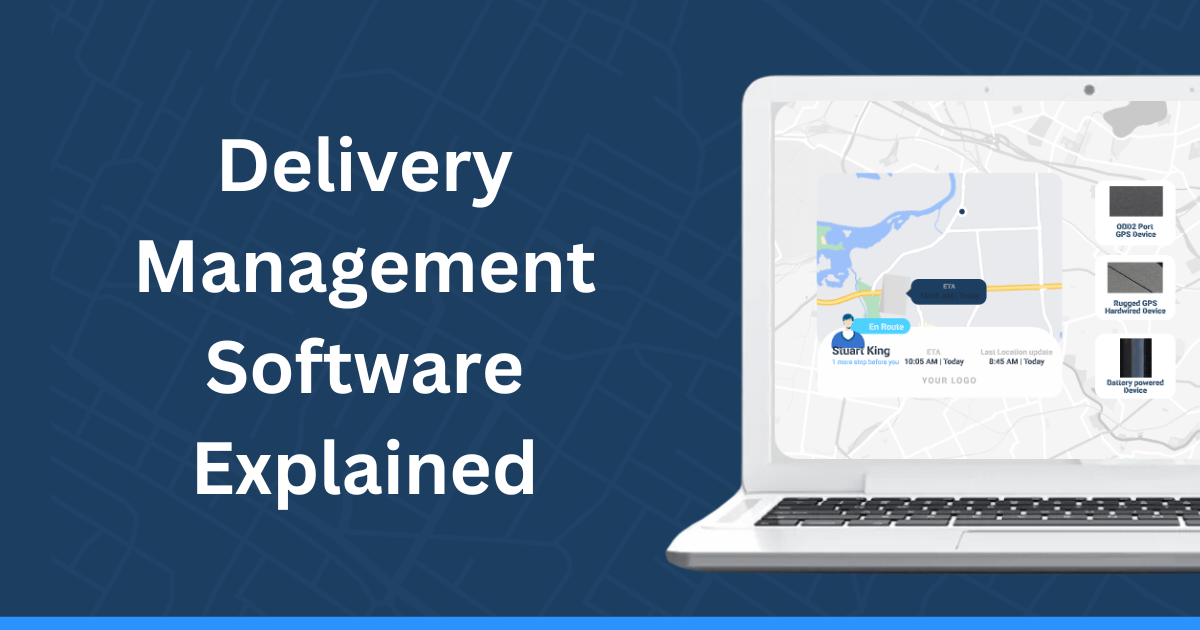
Delivery Management Software Guide
This comprehensive guide to delivery management software guide is designed for warehouse coordinators who want to move beyond surface-level understanding....
The Future of Proof of Delivery Photos Signatures and Beyond
In the fast-moving world of delivery operations and management, future of proof of delivery photos signatures and beyond has emerged as a defining factor...

Proof of Delivery Defence Porch Pirates
In the fast-moving world of delivery operations and management, proof of delivery defence porch pirates has emerged as a defining factor for operational...