How to Improve Customer Satisfaction Through Driver Rating and Feedback

How are you supposed to improve customer satisfaction if you don't know that somewhere, a disappointed customer is hoping for better service? Often, it's something that can be fixed quickly.
However, some business owners believe that if they restrict any form of feedback from customers, there won't be any bad reviews about the company on the internet.
This is not the smartest business outlook.
Research from 2025/2026 indicates that nearly 70% of the global population has access to mobile internet. One way or another, a disappointed customer will find their way to some form of social media platform and spread the news about poor customer service.
Here's what to do: In this article, you'll learn more about how to improve your drivers' performance, tips to get customers to rate your service, and see why software analytics plays a vital role.
Why do you need to care about customer feedback?
There are four important reasons why you should care about what your customers say and think about your business in feedback requests.
- Guides improvement
- Builds loyalty
- Enhances reputation
- Helps innovation
How driver feedback guides improvement
How will you grow your business if customers who regularly experience your service or product do not point out its pain points? Businesses that listen to feedback can identify areas for improvement. If you ignore it, you risk losing touch with what customers really want.
Industry data shows that companies which actively collect and act on customer feedback see a 10 to 15% improvement in customer retention within the first year.
Building loyalty through customer satisfaction surveys
When customers feel heard, they are more likely to stay loyal. See how Franz Building Supplies eliminated delivery disputes with Locate2u. Customers want to know that they are valued. A positive experience after bad feedback can turn into a customer recommending the company to others. Word-of-mouth is great for your marketing.
Feedback enhances your business reputation
It's tempting to delete bad reviews on social media and move on. However, showing transparency and accountability can improve your public perception. According to logistics industry benchmarks, businesses that respond publicly to negative reviews see a higher overall trust rating than businesses with only perfect scores.
Customer ratings can lead to innovation
New ideas often sprout out of suggestions made by customers who are not happy with the current service or product. Businesses often use feedback as a source of inspiration to stay ahead of competitors.
Measuring customer satisfaction: 3 ways
The three most commonly used ways to track customer satisfaction are CSAT, NPS, and CES. Using software like Locate2u's driver rating feature, you can send snap surveys after a delivery to measure customer satisfaction.
Customer satisfaction score (CSAT) is calculated by asking customers to rate how satisfied they are with the service or product on a scale of one to five or one to ten. This gives a quick overview of whether the customer is happy with the experience.
Customer effort score (CES) asks customers to rate how easy it was to complete a task, such as making an online purchase or returning a parcel. The easier the experience, the more likely the customer will return.
Net promoter score (NPS) is calculated when a business asks a customer how likely they are to recommend the business to a friend. This score also allows for innovative suggestions to improve the service or product.
Research from 2025/2026 indicates that businesses tracking all three metrics (CSAT, CES, and NPS) together get a significantly more complete picture of their customer experience than those relying on a single measure.
Why only five-star ratings are not good for your business
Nobody wants that negative feedback that continues to be a thorn in the flesh whenever someone searches the internet for your company's name. We all want that five-star rating on reviews.
Here's the kicker: with a 'too good rating,' customers also doubt your service, thinking it's not a true reflection of the experience.
Let's say you have over a hundred reviews, and they are all 5-star ratings. You, too, would start suspecting something is too good to be true. Customers start questioning the validity of the rating, no matter how great the product or business is.
Industry data shows that products and services with an average rating between 4.2 and 4.5 stars actually convert at a higher rate than those with a perfect 5.0 score. A few genuine constructive reviews add credibility.
How do you deal with dissatisfied customers?
Improving customer satisfaction is easier than you think. It's about open communication, swift action, and proactive problem-solving.
First, assess the customer satisfaction levels. Resolving an average rating quickly and causing minimal friction can improve customer satisfaction.
However, a more careful approach is needed for those with more complex customer needs.
Clear communication is needed to improve customer satisfaction
Open communication builds trust. You can turn a bad review into a loyal customer if they feel heard and understood. It can also de-escalate frustration and help to resolve the problem faster.
Swift response can improve the customer satisfaction score
Time is crucial when dealing with a frustrated and annoyed customer. If the customer has a certain expectation, they don't want to wait any longer to get what they were promised.
The faster you respond, the more valued the customer feels. This sets the stage for resolving the issue before emotions escalate. According to logistics industry benchmarks, responding to a customer complaint within the first hour increases the chance of resolving the issue positively by up to 70%.
Proactive problem-solving can improve customer satisfaction score
Going the extra mile for a customer shows that the business is not only seeking to "fix" its mistake to restore its reputation but that it genuinely cares about customer loyalty.
It shows customers that the business will make adjustments to ensure this doesn't happen in the future.
Can driver ratings and feedback improve customer satisfaction?
Driver ratings and feedback directly impact the quality of the last-mile delivery experience. Therefore, it's vital not to ignore this part of the logistics process.
Why?
- It drives accountability, encouraging drivers to maintain high standards.
- Feedback helps identify drivers who need to improve. Companies can easily reward good driver performance and encourage better customer service.
- Patterns in feedback can highlight specific areas where drivers need training.
How to get customers to provide feedback
Wondering how you can get customers to actually take a few minutes and fill out the feedback survey?
There are four things to consider: simplifying the process, incentivizing, asking at the right time, and personalizing the request.
You can offer a small reward, like a discount on their next purchase. But asking at the right time is crucial. It must be immediately after the service has been completed when the experience is still fresh in their minds.
Using software to track and act on driver feedback
Manual tracking of driver performance and customer feedback is impractical at scale. This is where delivery management software becomes essential.
A good platform will:
- Automate feedback collection by sending rating requests immediately after delivery via SMS or email.
- Aggregate ratings per driver so you can spot trends over time rather than reacting to individual incidents.
- Flag underperformance early so managers can intervene with coaching before it impacts customer retention.
- Recognize top performers based on consistent positive ratings, which helps with driver motivation and retention.
- Integrate with proof of delivery to provide full context when investigating a complaint. A photo or signature paired with a poor rating tells a more complete story than the rating alone.
Research from 2025/2026 indicates that delivery operations using automated driver rating systems see a 15 to 20% improvement in overall delivery satisfaction scores within six months of implementation.
Key takeaways
- Customer feedback is not a threat to your business; it is one of the most valuable tools for improvement and growth.
- Track customer satisfaction using CSAT, CES, and NPS together for the most complete picture of your delivery experience.
- A perfect 5.0 rating can actually hurt conversion. Ratings between 4.2 and 4.5 build more credibility with prospective customers.
- Responding to complaints within the first hour increases the chance of a positive resolution by up to 70%.
- Driver ratings drive accountability and highlight training needs. Patterns in feedback are more valuable than individual reviews.
- Automate feedback collection with delivery management software to make the process seamless for both customers and your operations team.
- Pair driver ratings with proof of delivery data for full context when investigating issues.
Related Articles
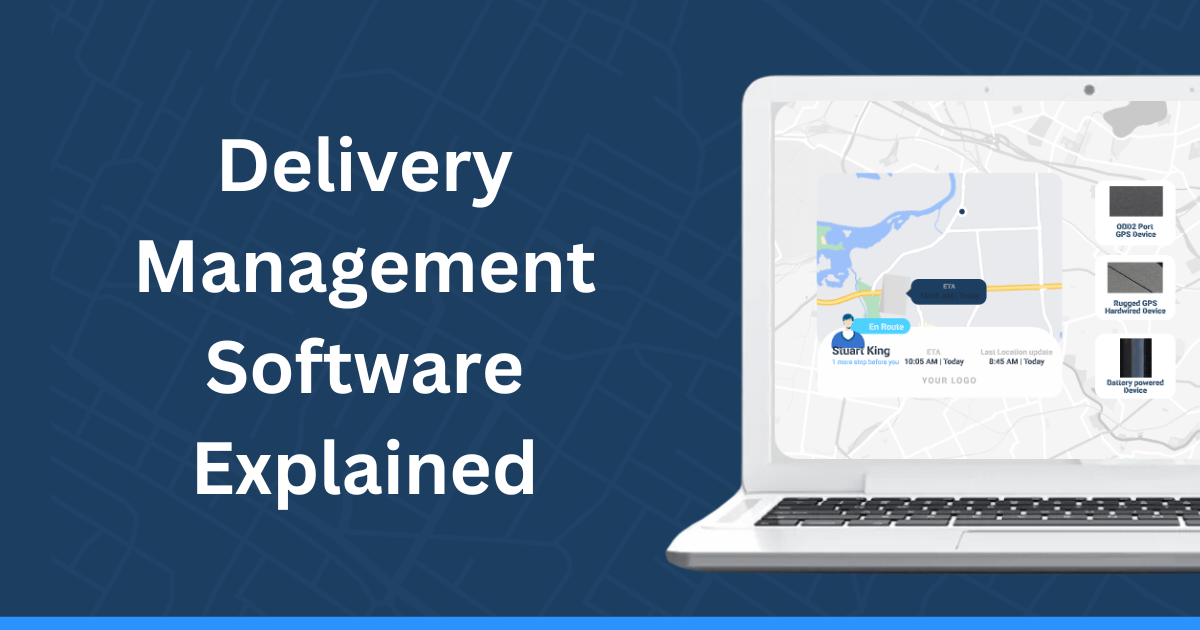
Delivery Management Software Guide
This comprehensive guide to delivery management software guide is designed for warehouse coordinators who want to move beyond surface-level understanding....
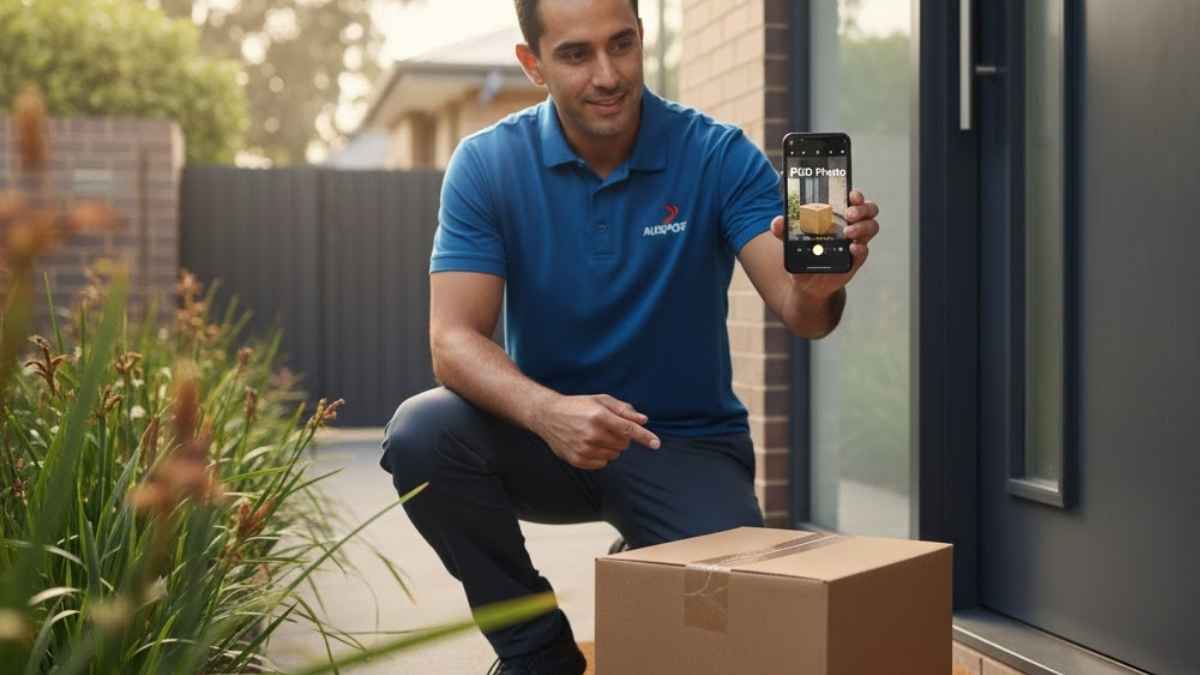
The Future of Proof of Delivery Photos Signatures and Beyond
In the fast-moving world of delivery operations and management, future of proof of delivery photos signatures and beyond has emerged as a defining factor...

Proof of Delivery Defence Porch Pirates
In the fast-moving world of delivery operations and management, proof of delivery defence porch pirates has emerged as a defining factor for operational...