How to Manage your Drivers
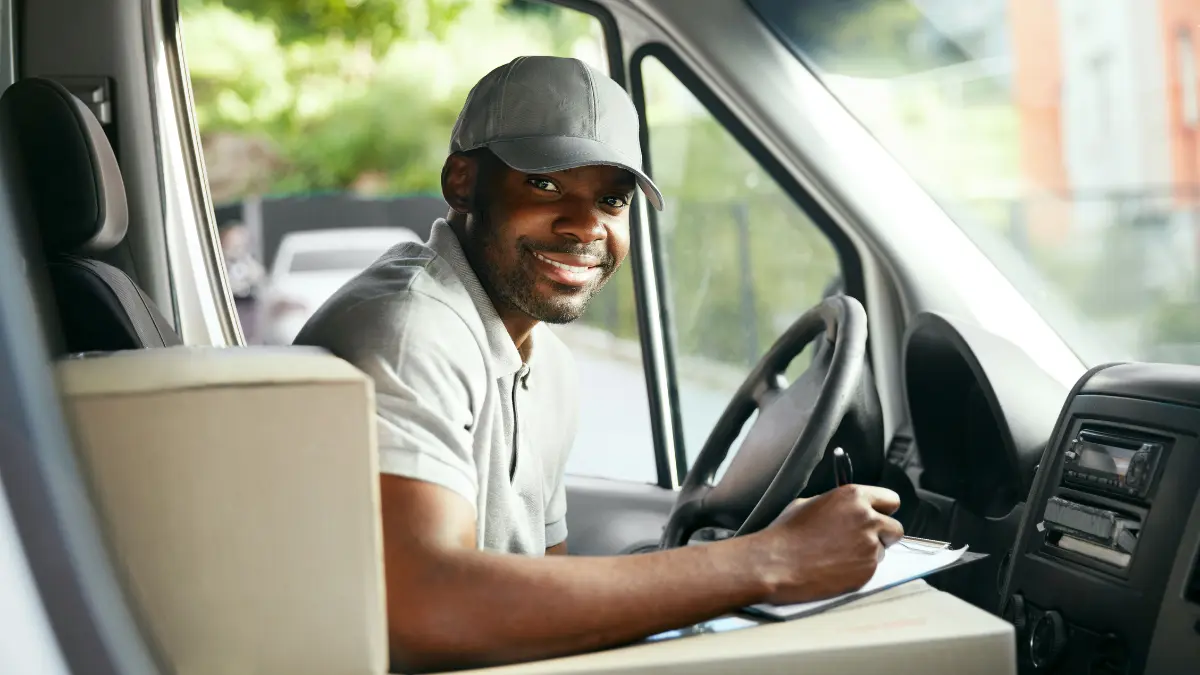
Your drivers are the frontline of your delivery business. They are the only representatives of your brand that customers interact with face-to-face, and their performance directly shapes how customers perceive your company. A well-managed driver team delivers on time, communicates professionally, and creates experiences that bring customers back. A poorly managed team does the opposite.
Effective driver management is not about micromanaging every minute of the workday. It is about giving your team the tools, structure, and support they need to perform consistently at a high level. Here is how to do it.
Know Your Drivers' Availability
A significant portion of delivery drivers work part-time or on flexible schedules. One driver might only be available during mornings on weekdays. Another might only work weekends and afternoons. Managing these overlapping schedules manually, through phone calls, text messages, or spreadsheets, is time-consuming and error-prone.
When you get scheduling wrong, the consequences ripple across your operation:
- Unassigned deliveries: If a booking is assigned to a driver who is not available, it either gets missed or needs to be scrambled to someone else at the last minute.
- Overloaded drivers: Without clear visibility into availability, it is easy to pile too many stops on one driver while another sits idle.
- Burnout and turnover: Drivers who feel their availability is not respected, whether through excessive shifts or last-minute changes, are more likely to leave. And driver turnover is expensive, often costing $5,000 to $10,000 per replacement when factoring in recruitment and training.
Delivery management software solves this by centralizing driver availability in one platform. Drivers input their schedules, and the system automatically factors availability into route and booking assignments. You can see at a glance who is available on any given day and allocate work accordingly.
Keep Track of Their Whereabouts
Once your drivers are on the road, you need to know where they are and how they are progressing. Without this visibility, you are operating blind, unable to answer customer questions, unable to identify delays, and unable to intervene when things go wrong.
Real-time tracking gives you a live view of every driver's location throughout their shift. This visibility serves multiple critical functions:
- Instant customer responses: When a customer calls to ask about their delivery, you can pull up the driver's location and provide an accurate ETA in seconds. No more putting customers on hold while you try to reach the driver by phone.
- Proactive delay management: If a driver is falling behind schedule, you can see it happening in real time. This gives you the opportunity to notify affected customers before they notice the delay, or reassign upcoming stops to a nearby driver with capacity.
- Route compliance: You can verify that drivers are following their assigned routes and not taking unnecessary detours. This is not about distrust; it is about ensuring the operation runs as planned.
- Safety monitoring: Knowing where your drivers are at all times is also a safety measure. If a driver goes offline or stops moving unexpectedly, you can check in and ensure they are safe.
Real-time tracking improves communication between you, your drivers, and your customers. Everyone has access to the same information, which eliminates the miscommunication and guesswork that create so many delivery problems.
Provide Optimized Routes
One of the most impactful things you can do for your drivers is give them efficient, well-planned routes. A driver who starts the day with a clear, optimized sequence of stops is set up for success. A driver who has to figure out the best order on the fly will waste time, burn more fuel, and finish the day frustrated. See how Containers for Change manages community recycling at scale with Locate2u.
Route optimization software builds the most efficient route for each driver based on:
- The location and sequence of all stops
- Delivery time windows and customer preferences
- Current and predicted traffic conditions
- Vehicle capacity and load constraints
- Driver start and end locations
The result is routes that minimize drive time, reduce fuel consumption, and maximize the number of deliveries each driver can complete. For drivers, this means less stress, fewer overtime hours, and a workload that feels manageable rather than chaotic.
Require Proof of Delivery on Every Stop
Mistakes happen. Packages can be damaged, left at the wrong address, or disputed by customers who claim they never received their order. Without documented proof of delivery, resolving these situations becomes a matter of your driver's word against the customer's, and that rarely ends well for the business.
A reliable proof of delivery system changes the equation entirely:
- Photo proof: Drivers photograph the package at the delivery location. The photo is time-stamped and GPS-tagged, creating an irrefutable record of where and when the delivery was made.
- E-signatures: For deliveries requiring personal handoff, customers sign directly on the driver's smartphone. This confirms receipt and eliminates "item not received" disputes.
- Delivery notes: Drivers can add context, such as "left with neighbour" or "placed behind side gate," providing additional detail that can resolve questions later.
- Automatic record-keeping: Every proof of delivery record is stored in the system and linked to the corresponding booking. When a dispute arises, you can pull up the evidence in seconds rather than relying on memory or paper records.
Making proof of delivery mandatory for every stop, not just high-value deliveries, builds a habit that protects your business and holds drivers accountable for completing each delivery properly.
Use Driver Ratings and Feedback
Customer feedback is one of the most valuable tools for managing driver performance. When customers rate their delivery experience, you get direct insight into how your drivers are representing your brand.
Here is how to use feedback effectively:
- Identify top performers: Drivers who consistently receive high ratings deserve recognition. Celebrate their work and consider them as mentors for newer team members.
- Spot issues early: A driver whose ratings drop suddenly may be dealing with burnout, personal issues, or a need for additional training. Catching the decline early allows you to address the root cause before it leads to customer churn or the driver leaving.
- Guide training priorities: If multiple drivers receive feedback about similar issues, such as poor communication or rough handling of packages, you know where to focus your next training session.
- Protect your online reputation: Customers who can share feedback directly through your system are less likely to post negative reviews publicly. Internal feedback channels give you the opportunity to resolve issues before they become visible to prospective customers.
Manage Your Drivers With Locate2u
Managing a driver team does not have to be complicated. Locate2u brings together real-time tracking, route optimization, driver scheduling, proof of delivery, and customer feedback in a single platform designed to help you get the best from your team.
Whether you are managing five drivers or fifty, Locate2u gives you the visibility and control to run an organized, efficient, and customer-focused delivery operation. Your drivers get clear routes and the right tools. Your customers get a great experience. And you get the confidence that your team is performing at its best.
Related Articles
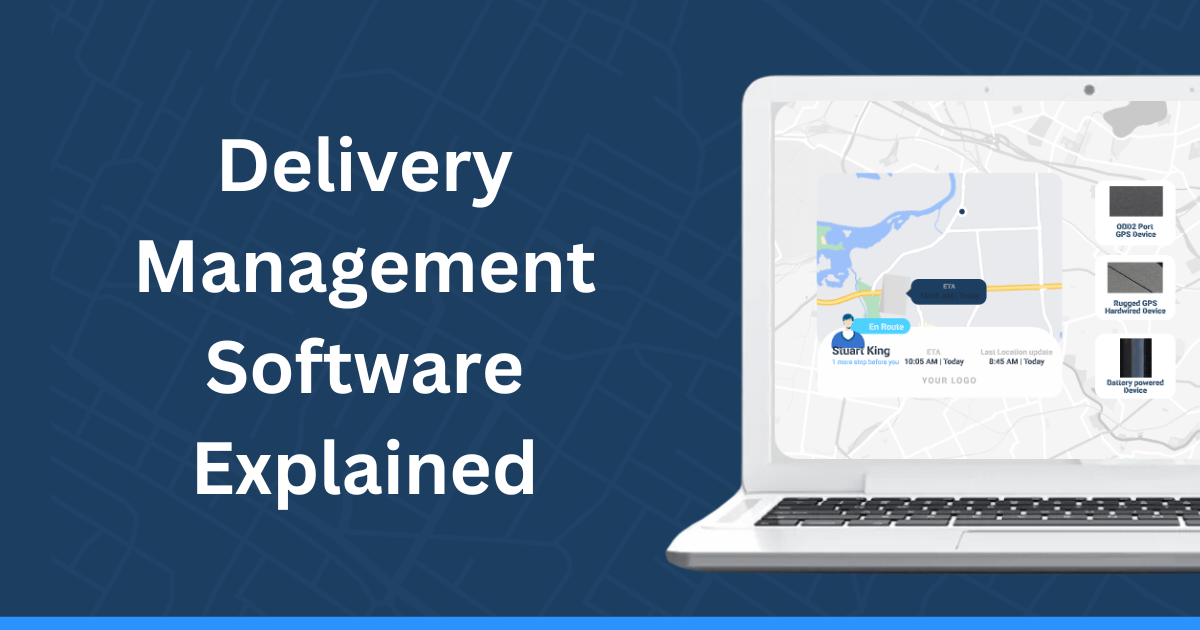
Delivery Management Software Guide
This comprehensive guide to delivery management software guide is designed for warehouse coordinators who want to move beyond surface-level understanding....
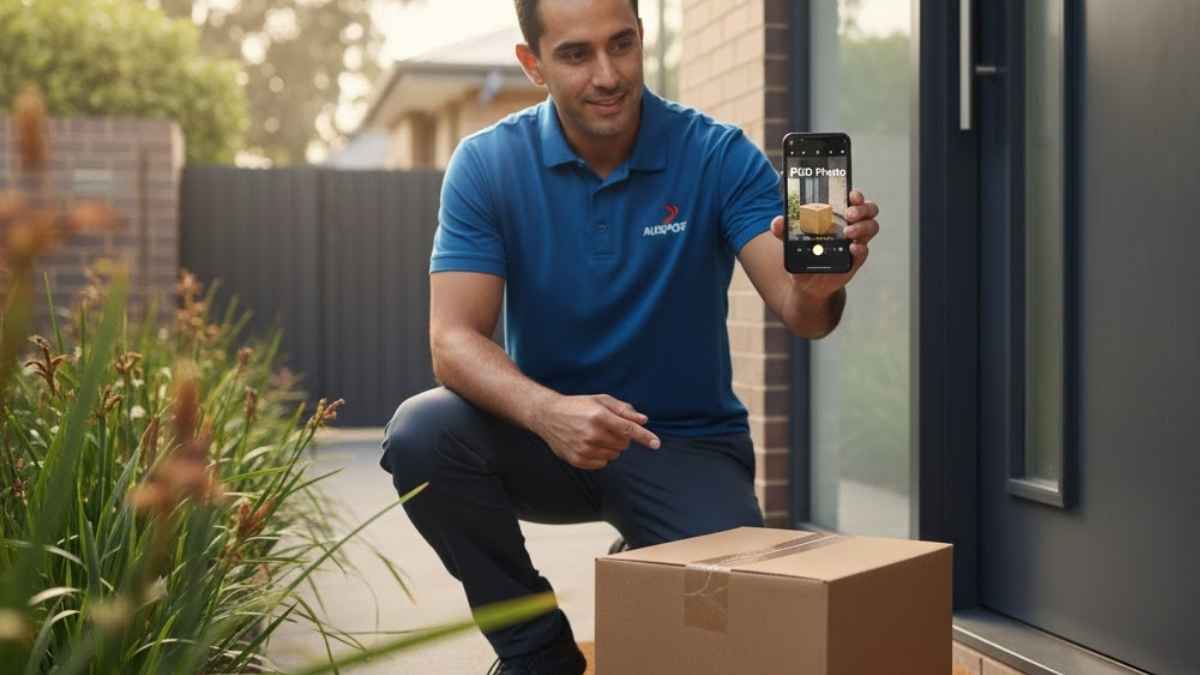
The Future of Proof of Delivery Photos Signatures and Beyond
In the fast-moving world of delivery operations and management, future of proof of delivery photos signatures and beyond has emerged as a defining factor...

Proof of Delivery Defence Porch Pirates
In the fast-moving world of delivery operations and management, proof of delivery defence porch pirates has emerged as a defining factor for operational...