Lessons I Learned Switching to a Transport Management System
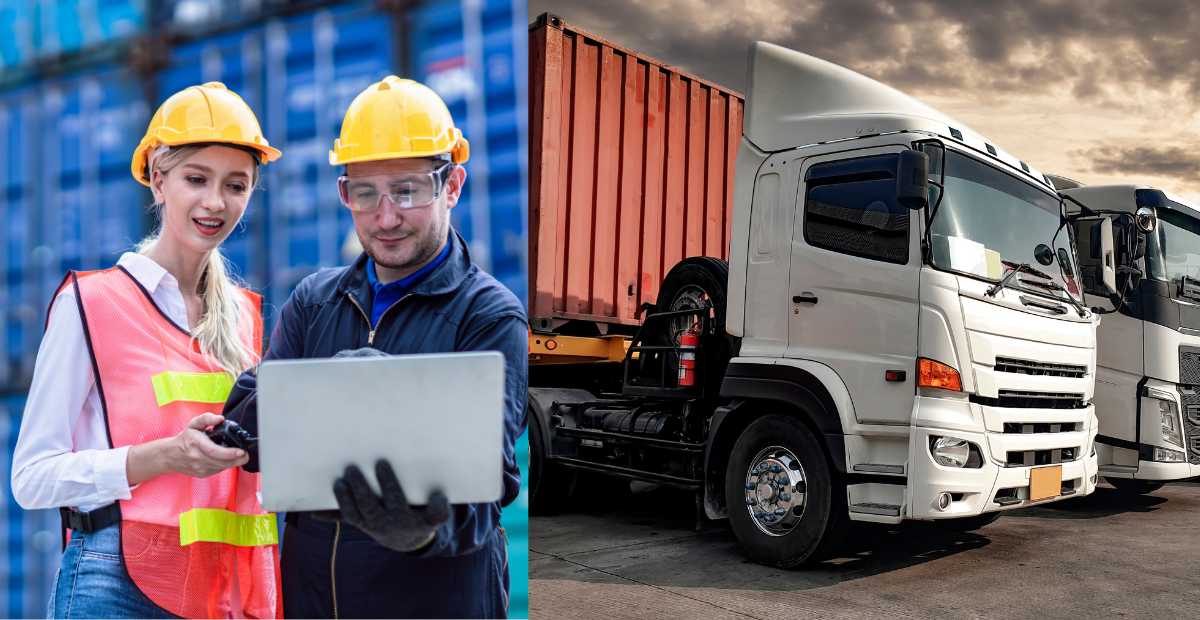
Managing cargo from ports, warehouses, and various destinations is not an easy task. If you are in the logistics industry, you will understand. I have learned some hard lessons over the years, but switching to a transport management system was by far the best decision I made for my business.
I still shake my head in disbelief that I ran my logistics operations on manual processes alone. At the start of my working career, I was in charge of scheduling transport and ensuring cargo gets transported on time. Everything lived in spreadsheets, notepads, and the occasional sticky note on my monitor.
In this article, I want to share the lessons I learned after throwing away those spreadsheets and investing in a transport management system. If you are still running your logistics on manual processes, I hope this convinces you to make the switch.
Let's Recap: Why Use a Transport Management System?
Picture this: You are a logistics company relying on manual processes. Drivers get lost. Deliveries arrive late. Customers leave for competitors. It is a slow bleed that many operators do not notice until the damage is done.
On the flip side, your company can invest in a transport management system that allows you to:
- Use route optimization to put your drivers on the best route
- Track each cargo movement in real time so you have full visibility over your operations
- Keep customers informed about cargo dispatch and delivery
- Make more deliveries per day because you are turning around vehicles faster
The logistics industry is expected to surpass $14 trillion globally by 2028, and the companies that will capture the most value are the ones investing in technology now. A TMS is no longer reserved for enterprise operations. See how Gate Gourmet manages enterprise airline catering with Locate2u. In 2026, affordable, cloud-based platforms make this technology accessible to businesses of every size.
Lesson 1: Spreadsheets Cannot Scale
When I started out, spreadsheets seemed adequate. I had a handful of drivers and a manageable number of daily deliveries. But as the business grew, the spreadsheet approach fell apart quickly.
Here is what I learned the hard way:
- Version control is a nightmare: Multiple people editing the same spreadsheet led to conflicting information. One dispatcher would update a delivery time while another was reassigning the same driver. The result was chaos.
- No real-time visibility: A spreadsheet is a static snapshot. The moment you finish updating it, the information is already outdated. You cannot track a moving vehicle on a spreadsheet.
- Human error compounds: A single mistyped address or transposed phone number can cascade into a missed delivery, an angry customer, and a costly redelivery. When you are processing dozens of orders per day, these errors add up fast.
- Reporting is manual and slow: Pulling performance metrics from a spreadsheet required hours of manual work. By the time I had the data, the insights were stale.
A transport management system replaced all of this with a single source of truth. Every team member works from the same live data, and updates happen automatically as drivers progress through their routes.
Lesson 2: Visibility Changes Everything
Before the switch, the most common question I heard from customers was: "Where is my cargo?" And honestly, most of the time I did not have a good answer. I would call the driver, hope they picked up, get a vague estimate, and relay that back to the customer. It was embarrassing.
With real-time tracking through a TMS, I could suddenly see every vehicle on a map. I knew exactly where each shipment was, which stops had been completed, and when the next delivery would arrive. The impact was immediate:
- Customer calls about shipment status dropped by more than half
- I could proactively notify customers about delays instead of waiting for angry phone calls
- My team spent less time firefighting and more time on productive work
- Customer satisfaction scores improved noticeably within the first quarter
Lesson 3: Route Optimization Pays for Itself
I used to plan routes manually, which meant I was essentially guessing at the best sequence of stops. I knew the roads, I knew the drivers, but I could not process all the variables the way an algorithm can.
When I switched to a TMS with route optimization, the results were striking. Drivers were completing the same number of deliveries in less time, with less fuel, and fewer overtime hours. In some cases, we were able to add additional stops to existing routes without extending the workday.
The financial impact was clear:
- Fuel savings of 15-20%: Optimized routes eliminated unnecessary backtracking and reduced time spent in traffic.
- More deliveries per vehicle per day: Better sequencing meant drivers could fit more stops into each shift.
- Reduced overtime costs: Efficient routes meant drivers finished their runs closer to scheduled end times.
- Faster response to disruptions: When road closures or traffic incidents occurred, the system recalculated routes on the fly.
Lesson 4: Proof of Delivery Eliminates Disputes
Before the TMS, delivery disputes were a constant headache. A customer would claim they never received their cargo. The driver would insist they delivered it. Without evidence, I was stuck in the middle, usually absorbing the cost to keep the customer happy.
With digital proof of delivery, drivers capture a photo, an e-signature, or both at the point of delivery. Every record is time-stamped and GPS-tagged. When a dispute arises, I can pull up the evidence in seconds. This single feature saved my business thousands of dollars in the first year alone.
Lesson 5: The Switch Is Easier Than You Think
One of the biggest reasons I delayed adopting a TMS was fear of disruption. I imagined weeks of downtime, frustrated drivers who could not use the technology, and a painful learning curve. In reality, the transition was far smoother than I expected.
Modern transport management systems are designed for quick implementation. Cloud-based platforms require no server infrastructure. Driver apps are intuitive enough that most of my team were comfortable within a day or two. And the customer-facing tracking links required zero effort from the customers themselves.
My advice: do not let the fear of change keep you stuck with broken processes. The cost of staying on manual operations will always exceed the cost of switching.
Why I Recommend Locate2u
When I made the switch, I needed a platform that combined route optimization, real-time tracking, proof of delivery, and dispatch management in one place. Locate2u delivered on all of those requirements without the complexity or cost of enterprise-level systems.
If you are still running your logistics on spreadsheets and phone calls, I want to leave you with this: once I started using a transport management system, my operations improved in a way that gave me more time to focus on growing the business, pursuing new opportunities, and getting home at a reasonable hour instead of pouring over spreadsheets late into the night.
The technology is ready. The question is whether you are ready to stop doing things the hard way.
Related Articles
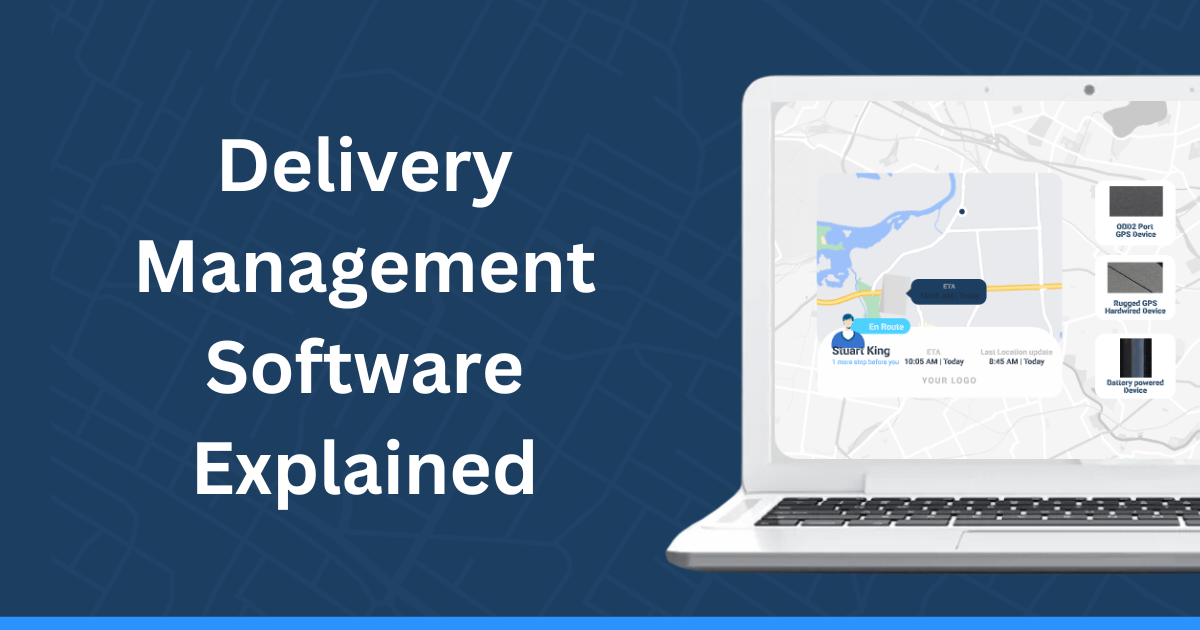
Delivery Management Software Guide
This comprehensive guide to delivery management software guide is designed for warehouse coordinators who want to move beyond surface-level understanding....
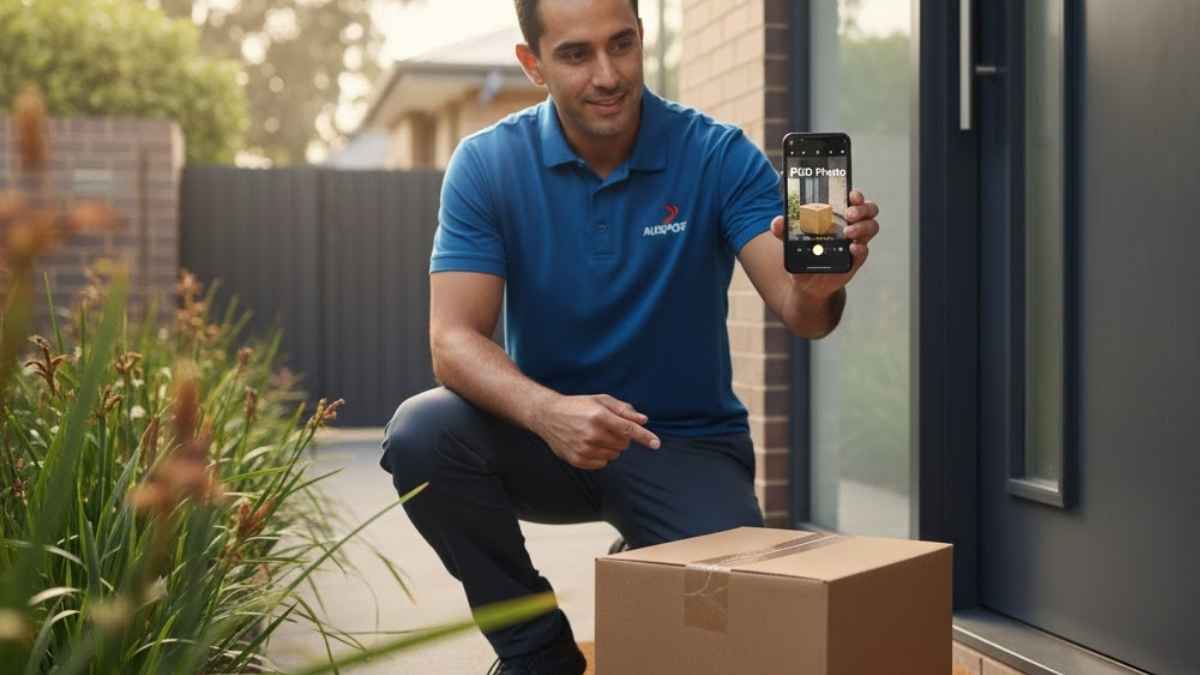
The Future of Proof of Delivery Photos Signatures and Beyond
In the fast-moving world of delivery operations and management, future of proof of delivery photos signatures and beyond has emerged as a defining factor...

Proof of Delivery Defence Porch Pirates
In the fast-moving world of delivery operations and management, proof of delivery defence porch pirates has emerged as a defining factor for operational...