Mastering Delivery Planning 5 Essential Strategies for Success
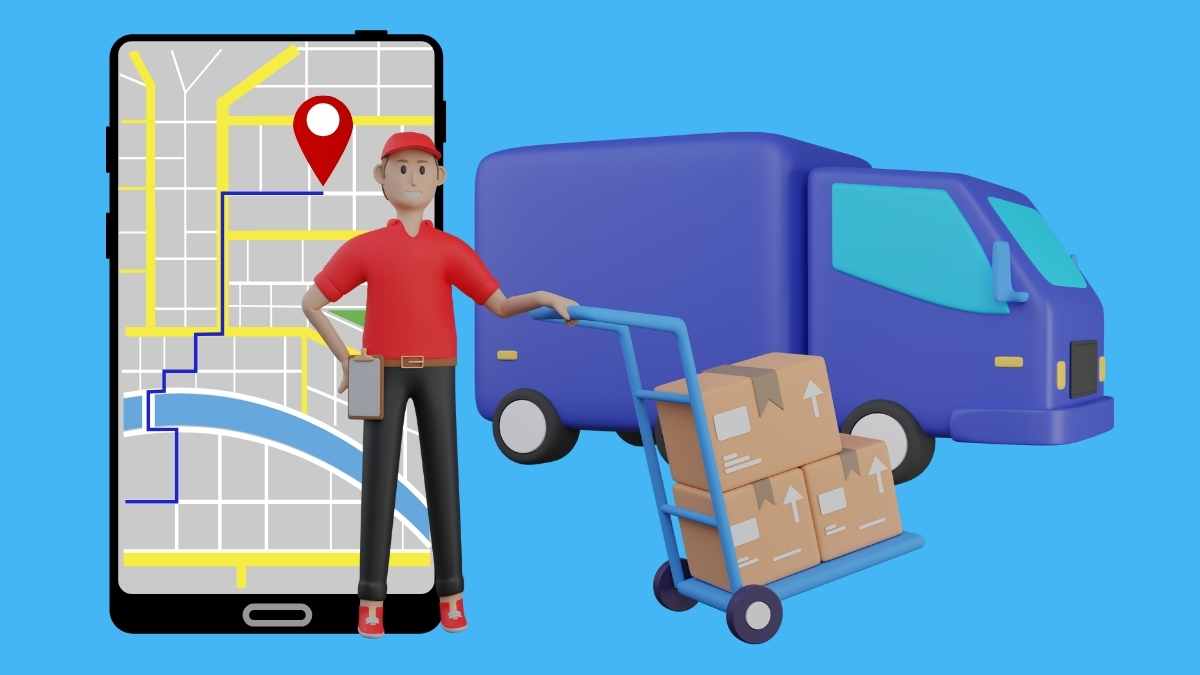
Delivery planning is important whether it is a small package, a valuable one, or big and bulky furniture. It makes it easier for the company to give customers what they want, while making realistic last-mile delivery plans for on-time delivery.
Every package requires different delivery methods, even if it is ordered from the same business. By outlining the deliverables in a delivery plan, you need to establish which model will work best for you to deliver products.
For example, food deliveries require different delivery planning from construction materials. See how Husk Bakery increased deliveries by 30% with Locate2u. The same is true for fresh produce that needs to be kept cool compared to clothing. Industry data shows that businesses with structured delivery planning processes achieve 30% higher on-time delivery rates than those without formalised plans.
Here are five strategies to up your delivery plan strategy. Remember, ultimately you want customer satisfaction. How do you do this? By optimising delivery capacity. So, let us get started.
The Importance Of Delivery Planning
Meeting customer expectations is all about fast deliveries. To improve your delivery times, you need to consider same-day shipping and optimised routes.
However, to ensure products are dispatched to the right warehouse or stores, the target is to use maximum capacity in trucks or vans without overloading the fleet and drivers.
That is where good delivery planning plays a significant role. Having the best fleet management software can help the business have proper access to data that can be used to optimise the delivery plan at any given time or day.
How To Benefit From Thorough Delivery Planning
Precise planning is required for a successful and accurate delivery. With the right route and delivery planning software, most of the work is done for you.
Planning routes and logistics for delivery helps the business to ensure that the driver uses the best route and delivers efficiently every time.
How do you do this? It is about balancing speed, profitability, and affordability. It is normal to want to maximise profit by loading trucks efficiently to get as many parcels out as possible in one day. But this should never compromise the product, as this leads to customer dissatisfaction.
Effective delivery planning has a massive advantage for the company, as it increases revenue at an optimal pace without compromising on speed and affordability. Keeping online shoppers happy can lead to constantly building a loyal customer base. Research indicates that 73% of consumers say they will not return to a business after a poor delivery experience.
How Technology Helps With Efficient Delivery Operations
Delivery route planning software helps improve delivery planning and reduce working hours. It optimises the routes for effective deliveries, saving hours of time spent manually scheduling each delivery.
Delivery And Route Planning Software
The route optimisation software takes into account the distance, traffic congestion, delivery time windows, and the truck's capacity. Knowing exactly where a driver must head to avoid a traffic jam on the freeway reduces travel time, translating into less fuel spending.
Overall productivity shifts significantly, giving drivers ample time to make their deliveries on time without feeling the urge to speed or risk their lives. Even as the driver is heading to a delivery, additional deliveries can be easily added. According to logistics benchmarks, dynamic route adjustment capabilities allow businesses to handle 20% more ad-hoc orders without disrupting existing schedules.
Optimising Delivery Routes With A Route Planning Solution
There are multiple constraints and stumbling blocks in the delivery process, but minimising them with a delivery plan helps to know how to respond to each potential threat without delay.
Key Considerations
A delivery route planning solution considers multiple constraints simultaneously, such as vehicle capacity, driver availability, and specialist equipment requirements. No business owner can afford to have more expenses than the money coming in from sales. Route optimisation technology helps to improve route efficiency while also cutting down on costs.
Good communication results in great plans. Real-time tracking plays a vital role in the delivery route planning solution, enabling customers to communicate fast and efficiently during the delivery processes.
5 Strategies For Mastering Delivery Planning
Whether you already have a delivery plan, hope to update yours, or want ideas on where to start with your own, here are simple and practical steps to get you going.
Strategy 1: Improve Communication And Visibility
Many customers will avoid purchasing from your online store again if they feel there is no seamless communication. Industry data shows that 79% of consumers will not buy again from a brand after a poor post-purchase experience.
What Is Needed To Improve Communication?
Customers want to stay informed throughout the last-mile delivery process. By implementing real-time tracking, customers can know exactly where the delivery vehicles are in the final leg of the delivery process. Keeping customers informed, especially when a delay is anticipated, can keep a customer on your side.
Using route planning software, customers receive accurate ETAs and updates throughout the process. Delivery drivers can also easily communicate with customers about where to leave the parcel. A standard "your package is en route" message is no longer sufficient. Customers want real-time, dynamic communication.
Strategy 2: Balance Your Workload
A tired and overworked driver leads to a stressed-out delivery that makes avoidable mistakes. To use your driver optimally without overburdening the worker, use a delivery route planning solution to balance workloads.
With this feature, a fleet manager oversees what each driver is working on and how long they take to make a delivery. A manager can also improve a driver's resource allocation by adding or removing trips. Research indicates that balanced workloads reduce delivery errors by up to 25% and improve driver retention rates significantly.
Strategy 3: Analyse And Adapt
Now that you have specific information on driver behaviour, customer feedback, delivery rate, and other essential data, you can identify critical areas that need urgent attention.
Use the data to bring changes where you can see clear gaps. Look at the demand, traffic, and other factors affecting your delivery operations. Analysing the data enables you to optimise routes further, avoid certain areas and times of the day. You can even ensure that only certain drivers are allocated for specific deliveries in certain zones. This can improve overall operational efficiency.
Strategy 4: Invest In Employee Satisfaction
When your drivers are happy and their work routine simplified, they become more productive. Research indicates that nearly 50% of workers with more flexible working hours believe it makes them more productive.
Investing in people and employee satisfaction, offering a balanced workload and opportunities for growth, pays off when you need it most. Employees tend to give more than expected when they feel recognised and rewarded for contributing to efficient deliveries.
Strategy 5: Streamline Delivery Planning
Streamlining delivery planning with route optimisation software results in less wasted time and money. Simplifying the delivery planning process can also help reduce manual planning and scheduling hours. No one wants to waste hours a day manually adding new deliveries to a spreadsheet when it can be done within a few minutes.
With optimised routes, customer satisfaction improves, and more timely and accurate deliveries take place, regardless of whether it is fresh produce or building material.
Putting The Strategies Into Practice
Here is a practical framework for implementing these five strategies in your business:
- Week 1 - Communication audit: Review your current customer notification process. Identify gaps where customers are left without updates. Set up automated tracking links for all deliveries.
- Week 2 - Workload analysis: Use your delivery data to map each driver's daily load. Identify drivers who are consistently over- or under-utilised and rebalance routes accordingly.
- Week 3 - Data review: Pull reports on delivery times, failed attempts, and customer ratings. Identify the top three areas causing the most inefficiency.
- Week 4 - Driver engagement: Survey your drivers about pain points in their daily routine. Implement at least one change based on their feedback.
- Ongoing - Software optimisation: Regularly update your route parameters, time windows, and vehicle assignments as your business evolves.
Key Takeaways
- Structured delivery planning processes achieve 30% higher on-time delivery rates than ad-hoc approaches.
- Real-time communication is no longer optional. 79% of consumers will not return after a poor post-purchase experience.
- Balanced driver workloads reduce delivery errors by up to 25% and improve driver retention.
- Data-driven route analysis enables continuous improvement in delivery efficiency and cost reduction.
- Employee satisfaction directly correlates with delivery performance. Happy drivers make fewer mistakes and stay longer.
- Route optimisation software eliminates hours of manual planning and allows businesses to handle 20% more ad-hoc orders.
The Result: Successful Delivery Planning
Mastering delivery planning is essential for businesses to stay competitive in today's market. Technology can help you navigate the process, reinvent your delivery operations, and improve customer satisfaction.
Efficient delivery planning leads to more business opportunities, improved operational efficiency, and loyal customers who return for more online shopping and deliveries. Explore Locate2u's route optimisation software to start transforming your delivery planning, or visit our delivery management blog for more strategies and insights.
Related Articles
Delivery Management Software Guide
This comprehensive guide to delivery management software guide is designed for warehouse coordinators who want to move beyond surface-level understanding....
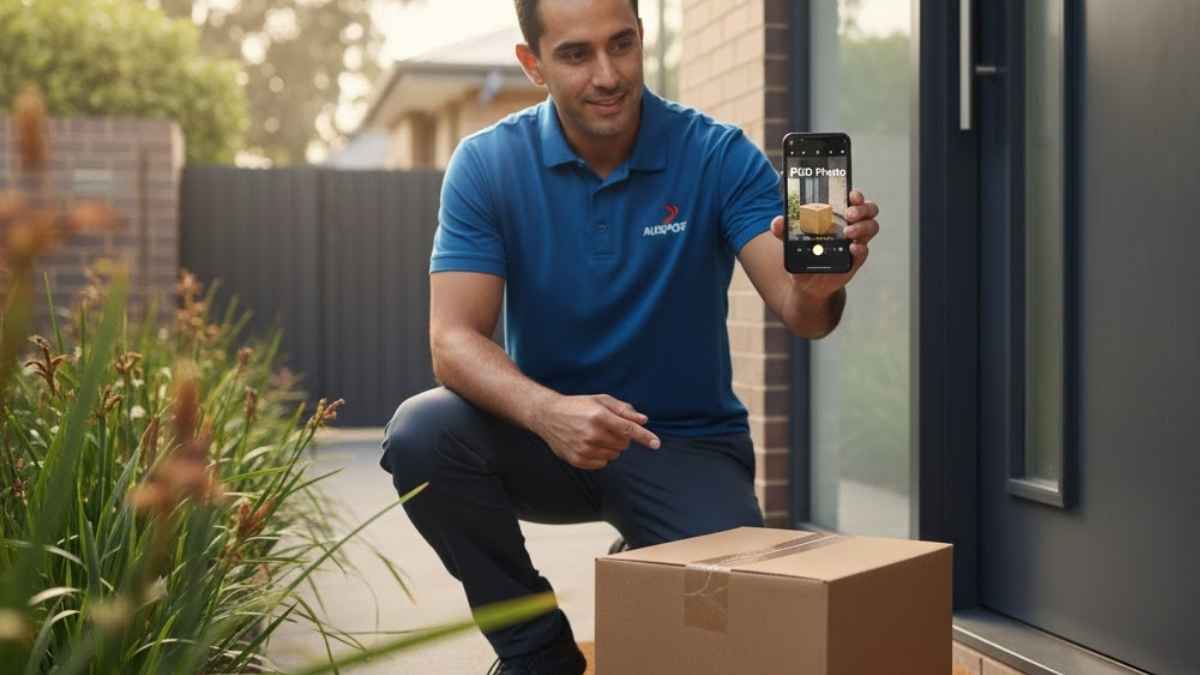
The Future of Proof of Delivery Photos Signatures and Beyond
In the fast-moving world of delivery operations and management, future of proof of delivery photos signatures and beyond has emerged as a defining factor...

Proof of Delivery Defence Porch Pirates
In the fast-moving world of delivery operations and management, proof of delivery defence porch pirates has emerged as a defining factor for operational...