Mastering Reverse Logistics for Customer Satisfaction
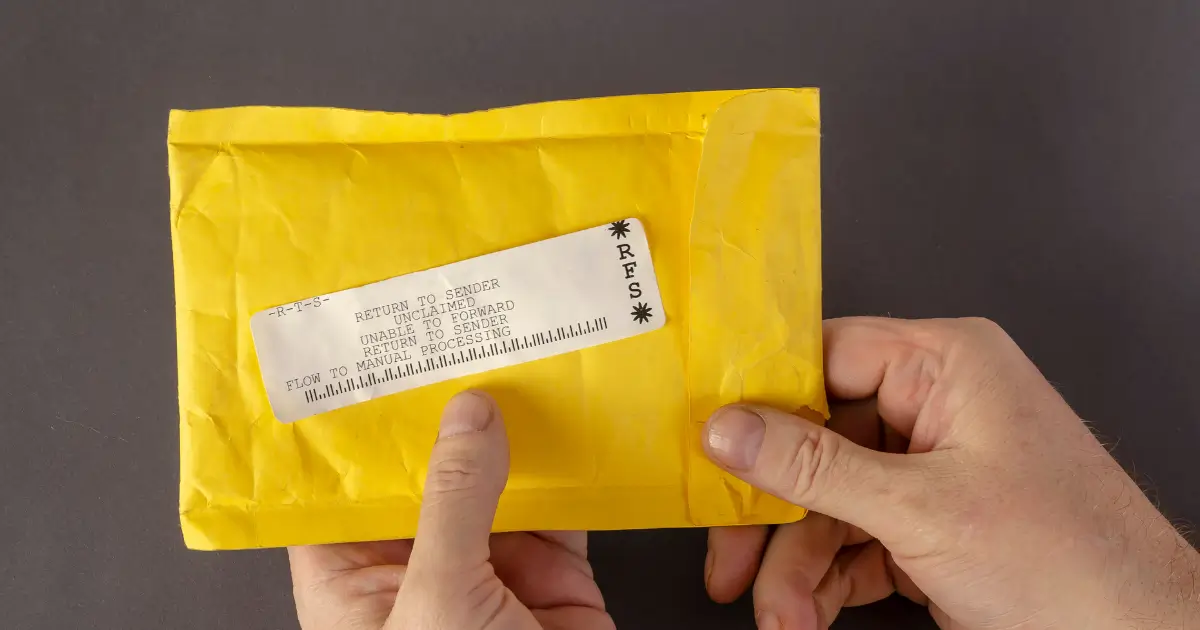
Returns are not the end of a customer relationship. They are a defining moment. The way a business handles a return shapes whether that customer comes back or walks away for good. In a market where acquiring a new customer costs significantly more than retaining an existing one, reverse logistics is no longer just a back-office concern. It is a customer experience strategy that directly affects loyalty, lifetime value, and brand reputation.
This guide focuses on the customer-facing side of reverse logistics. Rather than dwelling on warehouse processes or operational frameworks, we will explore how to design a returns experience that builds trust, keeps customers informed, and turns a potentially negative moment into a reason for repeat business.
Why Easy Returns Build Customer Trust
Shoppers evaluate a business long before they make a purchase. One of the first things many online buyers check is the returns policy. A generous, clearly written policy signals confidence in the product and respect for the customer. A restrictive or confusing policy does the opposite.
When a customer knows they can return a product without jumping through hoops, the psychological barrier to purchasing drops. This is especially true for higher-value items, clothing, and products where fit or suitability cannot be fully assessed online. The result is higher conversion rates and larger average order values.
But it goes deeper than the initial sale. When a customer goes through a return and the experience is smooth, they trust the brand more, not less. A hassle-free return demonstrates that the company stands behind its promises, translating directly into repeat purchases and positive recommendations.
Designing a Frictionless Returns Process
A returns process should feel as effortless as the original purchase. Every unnecessary step, confusing instruction, or delayed response chips away at customer goodwill. Here are the core elements of a frictionless returns experience.
Clear and Accessible Returns Policy
Your returns policy should be easy to find and written in plain language. Avoid burying it in legal jargon or hiding it deep within your website. Customers should be able to answer three questions within seconds: Can I return this? How do I start? When will I get my refund?
Self-Service Return Initiation
Give customers the ability to start a return from their account dashboard or order confirmation page. A self-service portal that generates return labels, provides packaging instructions, and lets customers select their preferred return method (drop-off, scheduled pickup, or locker) puts the customer in control. The less they need to call or email, the better.
Multiple Return Options
Not every customer wants to visit a post office. Offering a range of return methods improves convenience and satisfaction:
- Scheduled home pickups at a time that suits the customer
- Drop-off at partner retail locations or parcel lockers
- Prepaid return shipping labels included with the original delivery
- In-store returns for businesses with physical locations
Flexibility in how customers return items shows that you value their time and reduces the chance that a customer abandons a return out of inconvenience.
Simple Packaging and Labeling
Providing reusable packaging or clear repackaging instructions eliminates a common friction point. If a customer has to hunt for a box, print a label, and figure out how to seal everything, frustration sets in before the item even leaves their home.
Communication During the Returns Journey
One of the biggest sources of anxiety during a return is uncertainty. The customer has handed over the product and is now waiting. Without communication, that wait feels longer and doubt creeps in. Did they receive it? Is my refund being processed? Did something go wrong?
Proactive communication at every stage of the return eliminates this anxiety and reinforces trust. A strong returns communication strategy includes:
- Immediate confirmation when the return request is submitted
- Real-time tracking so the customer can see exactly where their returned item is
- Notification when the item is received at your facility
- Status update when the item passes inspection
- Confirmation when the refund or exchange has been processed
Live tracking links are particularly effective during the pickup phase. When a driver is dispatched to collect a return, sending the customer a real-time tracking link lets them see the driver's location and estimated arrival time. This eliminates the need for the customer to sit by the door wondering when the driver will arrive. It is a small detail that makes a significant difference to the overall experience.
Automated notifications via email or SMS keep the customer informed without requiring them to check a portal or make a phone call. Every touchpoint is an opportunity to reassure the customer that their return is being handled professionally.
Refund Speed and Its Impact on Loyalty
Few things test customer patience like waiting for a refund. Once a customer has returned a product, they expect their money back promptly. Delays erode trust rapidly, and extended processing times are one of the most cited reasons for negative post-return experiences.
The businesses that excel at customer retention process refunds quickly, often before the returned item has even been fully inspected. Some strategies to accelerate refund timelines include:
- Issuing instant refunds for trusted or repeat customers upon proof of dispatch
- Processing refunds at the point of item receipt rather than after full inspection for low-value goods
- Offering immediate store credit as an alternative, which keeps the revenue within your business while satisfying the customer's need for resolution
- Setting clear refund timeline expectations during the return initiation so customers know exactly when to expect their money
Speed matters because it shapes perception. A customer who receives a refund within 24 hours of their item being collected walks away thinking the business is efficient and trustworthy. A customer who waits two weeks for the same refund walks away frustrated, regardless of the reason for the delay.
Using Return Data to Improve Products and Reduce Future Returns
Every return tells a story. The reason a customer sends something back is valuable information that can drive product improvements, better descriptions, and ultimately fewer returns over time.
When customers select a return reason during the process, that data should be captured, categorized, and analyzed. Common patterns to look for include:
- Sizing or fit issues that suggest product descriptions or size guides need updating
- Quality complaints that point to manufacturing or materials problems
- Items not matching descriptions or photos, indicating a gap between marketing and reality
- Frequent returns on specific products, which may need to be reviewed or removed
This data creates a feedback loop. By acting on return insights, you improve the product offering, which reduces future return rates, which lowers costs and improves customer satisfaction simultaneously. Share relevant findings with product development, marketing, and quality assurance teams to close the loop between what customers experience and what your business delivers.
Customers also appreciate when businesses visibly act on feedback. If a product description is updated or a sizing chart refined based on return data, it signals that the company listens and adapts, building confidence for future purchases.
Route Optimization for Pickup and Return Logistics
When your returns process includes home pickups, the logistics of collecting those items efficiently becomes critical. Dispatching drivers to individual addresses without a plan leads to wasted fuel, longer wait times for customers, and higher operational costs. See how Containers for Change manages community recycling at scale with Locate2u.
Route optimization software solves this by calculating the most efficient sequence of stops for drivers handling return pickups. Instead of criss-crossing a service area, drivers follow an optimized route that minimizes distance and time while respecting customer time windows.
The customer experience benefits are direct:
- Tighter and more accurate pickup windows instead of vague half-day estimates
- Shorter wait times because drivers are not stuck in inefficient routes
- Reliable service that arrives when promised, building confidence in the returns process
- The ability to offer same-day or next-day pickups when routes are planned efficiently
Route optimization also enables businesses to combine return pickups with outbound deliveries on the same route. A driver delivering new orders in a neighborhood can simultaneously collect returns, reducing the total number of trips and the environmental footprint of the operation.
Pairing optimized routes with live tracking and automated notifications creates a pickup experience that rivals the best delivery experiences. The customer books a return, receives a pickup window, tracks the driver in real time, and gets a confirmation once the item is collected. That level of service turns a return into a positive brand interaction.
Turning Returns into a Competitive Advantage
Businesses that treat returns as a cost to be minimized miss the bigger picture. Returns are a touchpoint, and like every touchpoint, they are an opportunity to strengthen or weaken the customer relationship.
The companies winning on customer loyalty are the ones that make returns feel easy, keep customers informed throughout the process, issue refunds quickly, learn from return data, and use technology like route optimization and delivery management tools to make the physical logistics seamless.
When a customer finishes a return and thinks, "That was painless," you have done more than process a transaction. You have given them a reason to buy from you again.
Related Articles
Delivery Management Software Guide
This comprehensive guide to delivery management software guide is designed for warehouse coordinators who want to move beyond surface-level understanding....
The Future of Proof of Delivery Photos Signatures and Beyond
In the fast-moving world of delivery operations and management, future of proof of delivery photos signatures and beyond has emerged as a defining factor...

Proof of Delivery Defence Porch Pirates
In the fast-moving world of delivery operations and management, proof of delivery defence porch pirates has emerged as a defining factor for operational...