Last Mile Delivery Warehouses Closer to Customers
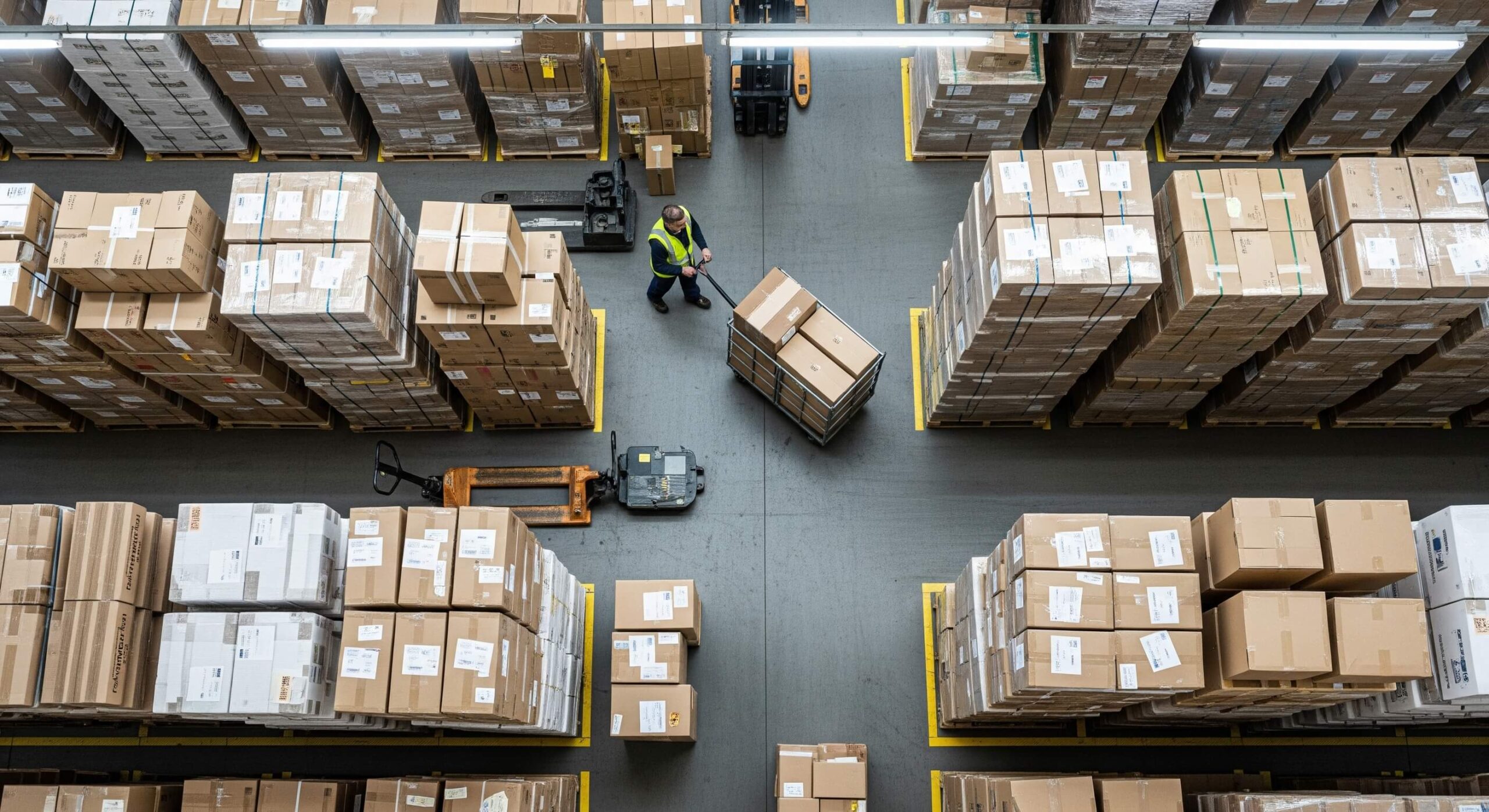
The last mile of delivery, the final stretch from a local hub to the customer's door, is consistently the most expensive and logistically complex part of the supply chain. Industry estimates suggest that last mile delivery accounts for over 50 percent of total shipping costs. As e-commerce continues to grow and customer expectations tighten, businesses are rethinking where they store inventory and how they fulfil orders.
The trend is clear: warehouses are moving closer to customers. Large centralised distribution centres on the outskirts of cities are being supplemented, and in some cases replaced, by smaller fulfilment hubs positioned within metropolitan areas. This shift is reshaping last mile delivery economics and creating new opportunities for businesses that adapt.
Why Warehouse Location Matters for Last Mile Delivery
The distance between your inventory and your customer directly affects delivery speed, cost, and reliability. A warehouse located 60 kilometres from the delivery zone means every order starts with a long trunk haul before the last mile even begins. That distance adds fuel costs, increases the risk of delays, and limits the number of deliveries a driver can complete per shift.
By positioning fulfilment closer to demand, businesses can:
- Reduce delivery distances: Shorter trips between the warehouse and the customer mean lower fuel consumption and less time on the road per delivery.
- Enable same-day and next-day options: When inventory is within 10 to 15 kilometres of the delivery zone, same-day fulfilment becomes operationally and financially feasible.
- Increase deliveries per route: Drivers spend less time in transit and more time making stops, increasing the number of orders fulfilled per shift.
- Improve delivery reliability: Shorter distances mean fewer variables. There are fewer opportunities for traffic delays, mechanical issues, or scheduling problems to disrupt the route.
The Shift to Micro-Fulfilment
Micro-fulfilment centres are smaller warehousing facilities, often between 500 and 3,000 square metres, located within urban or suburban areas close to customer concentrations. Rather than holding a full product range, these hubs stock the highest-demand items for their specific geographic zone.
The micro-fulfilment model offers several advantages for last mile delivery:
- Lower per-delivery costs: By reducing the average distance per delivery, businesses cut the variable costs that make last mile delivery so expensive.
- Faster fulfilment cycles: Orders can be picked, packed, and dispatched within hours rather than days, supporting the same-day and two-hour delivery windows that consumers increasingly expect.
- Flexibility: Smaller facilities can be opened, relocated, or scaled more quickly than large distribution centres, allowing businesses to respond to changing demand patterns.
Retailers with physical store networks have a built-in advantage here. Stores can function as micro-fulfilment hubs, using existing inventory to fulfil online orders for customers within a defined radius. This approach, sometimes called ship-from-store, leverages infrastructure that is already in place and already stocked.
Reliability Over Speed: What Customers Actually Value
There is a common assumption that customers always want the fastest possible delivery. Recent research challenges this. Industry surveys indicate that reliability now ranks as the most important delivery factor for a significant portion of consumers, outranking both cost and speed.
Customers are shifting from demanding instant gratification to expecting consistent performance. They want to know that when a business promises delivery by a certain time, that promise will be kept. A delivery that arrives within a reliable two-hour window is more valued than one that might arrive in 30 minutes but could just as easily be four hours late.
This shift has important implications for last mile strategy:
- Accurate ETAs matter more than aggressive promises: Customers prefer a realistic delivery window they can plan around over an optimistic estimate that is frequently missed.
- Live tracking builds trust: Research indicates that the majority of consumers want real-time tracking updates. Transparency about where their order is and when it will arrive reduces anxiety and builds confidence in the service.
- Narrow delivery windows are expected: All-day delivery ranges are no longer acceptable to most consumers. Customers want windows of a few hours at most, which requires precise route planning and real-time adaptability.
Sustainability and Smarter Routing
Consumer interest in sustainable delivery practices is growing. Industry surveys show that a majority of shoppers prefer retailers who adopt greener delivery methods, even if it means accepting a defined delivery window rather than instant dispatch.
Moving warehouses closer to customers inherently supports sustainability. Shorter delivery distances mean lower fuel consumption and reduced carbon emissions per order. When combined with route optimisation software, the environmental benefits multiply: deliveries can be grouped by suburb, routes can be planned to minimise total kilometres, and vehicles can run fuller routes with fewer empty return trips.
For businesses looking to balance speed and sustainability, the formula is straightforward:
- Position inventory closer to demand to reduce base delivery distances.
- Use route optimisation to plan the most efficient paths through each delivery zone.
- Offer customers the choice between express and scheduled delivery, letting them opt into greener windows when urgency is low.
- Track and report on delivery emissions to demonstrate environmental commitment.
The Role of Delivery Density
Density, the number of orders within a specific geographic area during a given time period, is the single most important factor in last mile delivery economics. High density makes everything cheaper: more deliveries per route, less distance between stops, and better utilisation of driver time.
Metro areas naturally offer higher density, which is why urban delivery is significantly cheaper per order than rural delivery. But density is not just a function of geography. It can be created through operational strategy:
- Delivery batching: Grouping orders for the same area into a single route run, even if it means some orders wait an extra hour, dramatically improves density and reduces per-delivery costs.
- Delivery windows: Offering customers specific delivery windows concentrates demand into predictable time slots, making route planning more efficient.
- Local marketing: For retailers with physical locations, focusing marketing spend on customers within a tight radius of each store creates the order density needed to make local delivery cost-effective.
How Locate2u Supports Efficient Last Mile Delivery
Locate2u provides the technology that makes warehouse-to-door delivery efficient at scale. Route optimisation plans the most efficient routes for each delivery zone, real-time tracking gives customers the visibility they expect, and automated notifications keep everyone informed throughout the delivery process.
For businesses adopting micro-fulfilment or ship-from-store models, Locate2u enables dispatch from multiple locations, optimises routes for each hub independently, and provides a unified view of all deliveries across the network.
The businesses that succeed in last mile delivery are the ones that combine proximity, with inventory closer to customers, with technology, through optimised routing and real-time communication. As warehouses move closer and delivery expectations continue to evolve, the gap between businesses using modern tools and those relying on legacy processes will only widen. Learn the basics and beyond of last mile delivery.
Related Articles
Last Mile Delivery Communication 10 Practical Fixes to Stop Missed Updates
In the fast-moving world of last mile delivery operations, last mile delivery communication 10 practical fixes to stop missed updates has emerged as a...
Improve Last Mile Delivery Without More Vehicles
In the fast-moving world of last mile delivery operations, improve last mile delivery without more vehicles has emerged as a defining factor for...
Last Mile Delivery Explained the Basics and Beyond
In the fast-moving world of last mile delivery operations, last mile delivery explained the basics and beyond has emerged as a defining factor for...