4 Best Delivery Driver Gps Tracking Features

If you manage a fleet of delivery drivers, GPS tracking is not a luxury; it is a fundamental operational tool. Without visibility into where your drivers are and how they are performing, you are making decisions based on assumptions rather than data, and those assumptions cost money.
Modern GPS tracking goes far beyond a simple dot on a map. The right system provides a suite of features that improve fleet efficiency, strengthen customer communication, and give you the operational intelligence needed to grow your business. Here are the most valuable GPS tracking features and how they benefit your delivery operation.
1. Live Driver Location Tracking
The most fundamental GPS tracking feature is the ability to see where every driver is at any given moment. Live location tracking provides a real-time view of your entire fleet on a single dashboard, showing which drivers are in transit, which are at stops, and which may be off-route.
This visibility transforms how you manage your operation:
- Faster response to customer inquiries: When a customer calls asking about their delivery, you can provide an accurate answer in seconds instead of calling the driver and waiting for a callback.
- Better dispatch decisions: When an urgent order comes in, you can identify the nearest available driver and assign the job immediately, reducing response times.
- Improved accountability: Drivers who know their location is visible tend to stay on route and maintain productive schedules. This is not about micromanagement; it is about creating a culture of accountability that benefits everyone.
- Safety oversight: In the event of an emergency or breakdown, you know exactly where to send help.
Industry reports indicate that businesses implementing GPS fleet tracking see an average improvement of 10 to 15 percent in driver productivity, primarily through reduced idle time and more efficient routing.
2. Route Replay and Driver History
Route replay allows you to review the exact path a driver took on any given day, including timestamps at each stop, total distance covered, and time spent at each location. This historical data serves multiple important functions:
Performance Analysis
By reviewing completed routes, you can identify patterns of inefficiency. Is a driver consistently taking a longer path between two stops? Are certain deliveries taking much longer than expected? Route replay provides the data needed to have informed conversations with drivers about improving their performance.
Timesheet Accuracy
GPS data shows precisely when a driver started their shift, arrived at each stop, and completed their final delivery. This eliminates disputes over hours worked and ensures accurate timesheet records, which is particularly valuable for businesses with drivers paid by the hour.
Dispute Resolution
When a customer claims a delivery was late, damaged, or never arrived, route replay provides objective evidence. You can verify the exact time the driver was at the customer's location and cross-reference it with proof of delivery records including photos and signatures. This protects your business from false claims and gives you the information needed to resolve legitimate complaints quickly.
Compliance Documentation
For businesses operating in regulated industries, GPS records provide an audit trail demonstrating that drivers followed prescribed routes, adhered to speed limits, and complied with operating hour requirements.
3. Geofencing and Automated Alerts
Geofencing allows you to define virtual boundaries around specific locations, such as your warehouse, key customer sites, or delivery zones, and receive automated alerts when a driver enters or exits those areas.
Practical applications of geofencing include:
- Arrival and departure notifications: Know immediately when a driver arrives at a customer's location or leaves your depot, without waiting for a manual check-in.
- Customer delivery alerts: Automatically trigger an SMS or email to the customer when the driver enters their suburb or delivery zone, giving them a heads-up that their delivery is approaching.
- Unauthorised use detection: Set alerts for vehicles leaving designated operating areas outside of business hours, protecting against theft or personal use of company vehicles.
- Service area management: Ensure drivers are operating within their assigned territories and flag any significant deviations that might indicate navigational errors or inefficient routing.
Geofencing turns your GPS system from a passive monitoring tool into an active management assistant that keeps you informed about the events that matter most.
4. Real-Time ETA Sharing with Customers
One of the most powerful applications of GPS tracking is the ability to share accurate, live estimated arrival times with your customers. This feature alone can significantly reduce missed deliveries, decrease support call volume, and improve overall customer satisfaction.
When a customer receives a real-time tracking link, they can see their driver's location on a map and watch the ETA update as the driver progresses through their route. The benefits are substantial:
- Fewer missed deliveries: Customers who can see their driver approaching are far more likely to be present when the delivery arrives.
- Reduced support calls: When customers can check the status of their delivery themselves, they do not need to call your team for updates. Research suggests that real-time tracking can reduce inbound delivery inquiry calls by 30 to 50 percent.
- Higher customer satisfaction: The sense of control and transparency that live tracking provides is consistently rated as one of the most valued delivery features by consumers.
- Competitive differentiation: Many small and medium delivery businesses do not yet offer real-time customer tracking. Adding this capability sets you apart from competitors and signals a professional, technology-forward operation.
Additional GPS Features Worth Considering
Beyond the four core features above, modern GPS tracking platforms offer additional capabilities that can further improve your operation:
- Speed monitoring: Track driver speeds and receive alerts when drivers exceed limits, improving safety and reducing the risk of accidents and fines.
- Idle time tracking: Identify periods when vehicles are running but stationary, which wastes fuel and indicates potential inefficiency in route planning.
- Vehicle diagnostics: Some GPS systems integrate with vehicle onboard diagnostics to monitor engine health, mileage, and maintenance needs, enabling proactive fleet maintenance.
- Integration with route optimisation: GPS tracking data feeds into route optimisation algorithms, allowing the system to learn from actual driving patterns and produce increasingly accurate route plans over time.
How Locate2u Delivers GPS Tracking for Fleets
Locate2u provides comprehensive GPS tracking as part of its delivery management platform. Live driver tracking, route replay, geofencing, and customer ETA sharing are all built into a single system that works alongside route optimisation, dispatch planning, and proof of delivery. See how Containers for Change manages community recycling at scale with Locate2u.
Drivers use a mobile app that shares their location in real time, while dispatchers manage the entire fleet from a web-based dashboard. Customers receive tracking links via SMS, giving them the visibility they expect from a modern delivery experience.
GPS tracking is not just about knowing where your drivers are. It is about using that information to make better decisions, serve customers more effectively, and operate a more efficient fleet. Learn more about managing your drivers with the right technology.
Related Articles
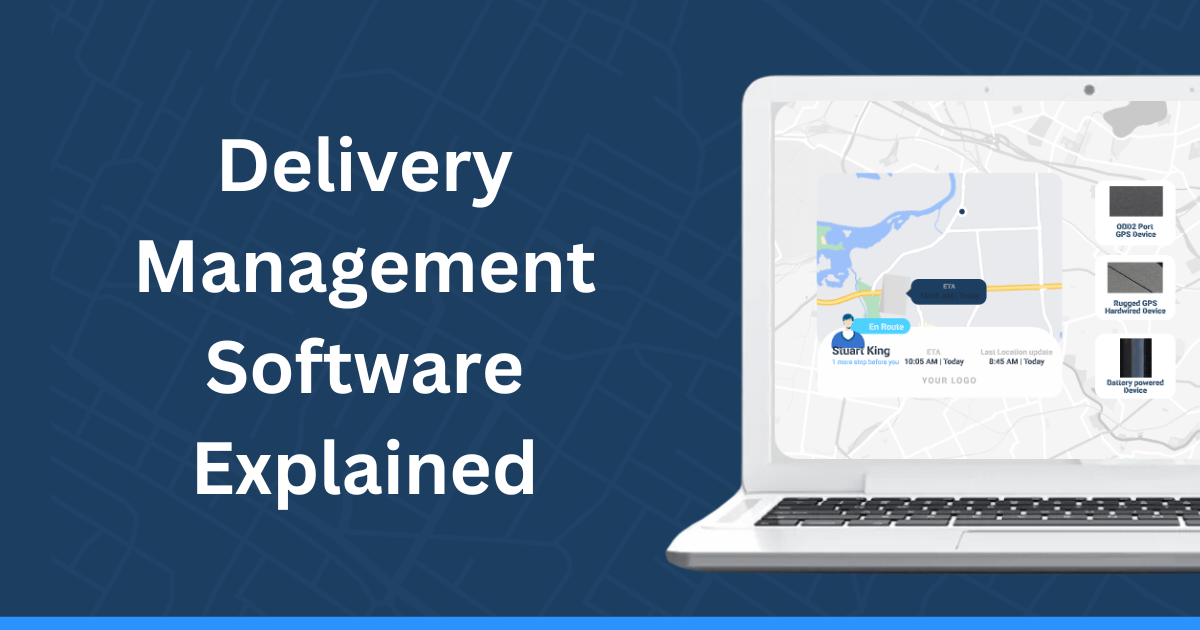
Delivery Management Software Guide
This comprehensive guide to delivery management software guide is designed for warehouse coordinators who want to move beyond surface-level understanding....
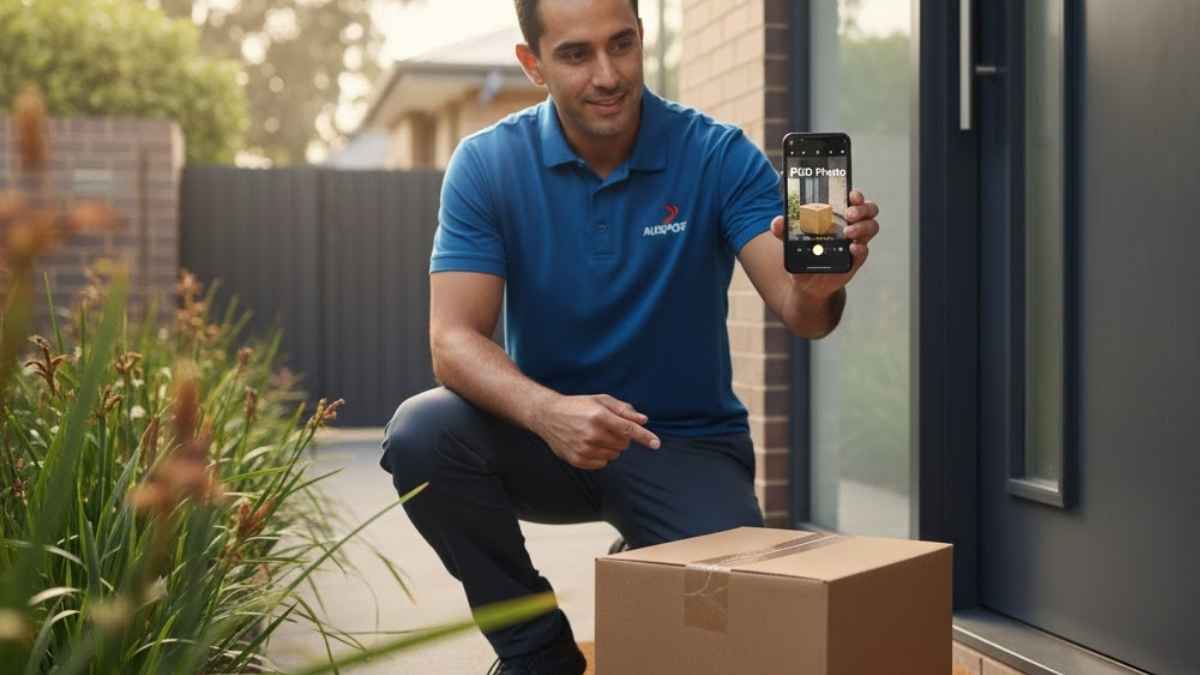
The Future of Proof of Delivery Photos Signatures and Beyond
In the fast-moving world of delivery operations and management, future of proof of delivery photos signatures and beyond has emerged as a defining factor...

Proof of Delivery Defence Porch Pirates
In the fast-moving world of delivery operations and management, proof of delivery defence porch pirates has emerged as a defining factor for operational...