4 Ways to Improve Delivery Satisfaction
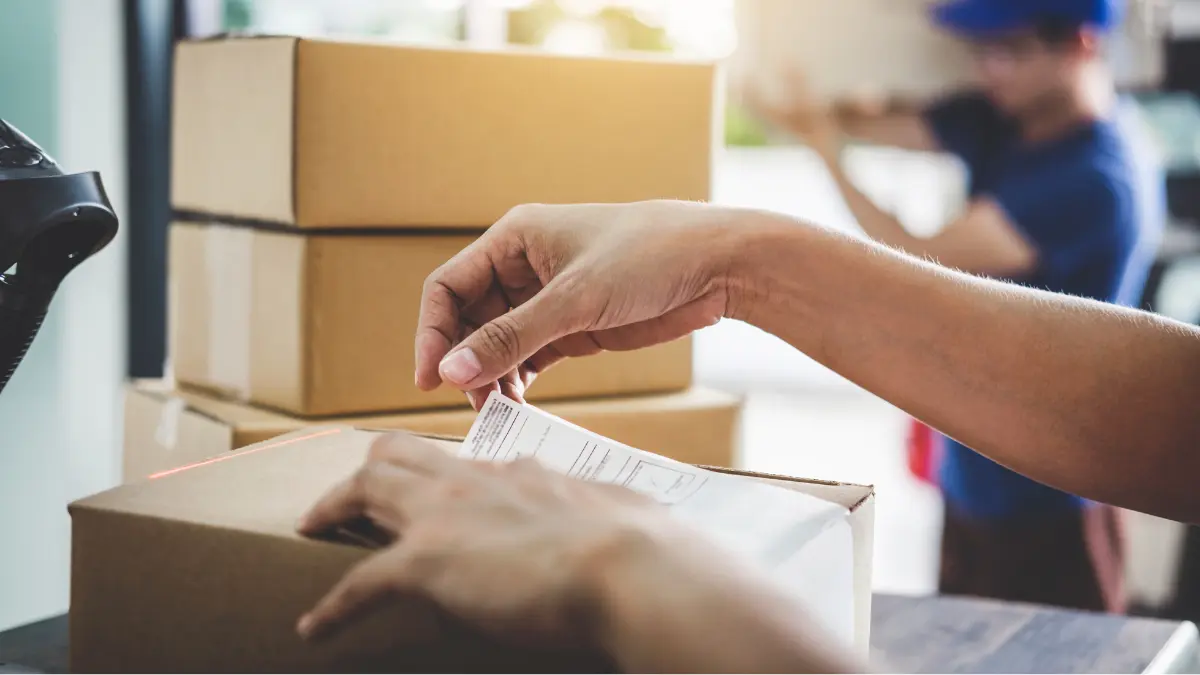
Every delivery business has experienced it: a customer calls demanding to know where their order is, and nobody in the office has a clear answer. The customer grows frustrated, the support agent scrambles to reach the driver, and by the time the information surfaces, the damage to the customer relationship is already done.
Delivery satisfaction is not built on the occasional outstanding delivery. It is built on consistent, reliable, transparent service across every single order. Industry research indicates that delivery experience is the primary factor in whether customers shop with a business again, ranking ahead of product price and even product quality in many categories.
Here are four practical strategies that transform delivery satisfaction from a pain point into a competitive advantage.
1. Communicate Delays and Disruptions Proactively
Disruptions are inevitable. Severe weather, vehicle breakdowns, traffic incidents, and driver illness can all impact delivery schedules on any given day. The difference between businesses that maintain customer trust through disruptions and those that lose it comes down to communication.
When customers are left in the dark about delays, they feel ignored and disrespected. Research shows that customers are significantly more forgiving of late deliveries when they are informed about the delay in advance and given a revised timeline, compared to when they discover the delay themselves by waiting past the delivery window.
Effective disruption communication includes:
- Automated bulk notifications: Delivery management software can send SMS or email updates to all affected customers simultaneously when a widespread issue occurs. This saves your team from making dozens of individual calls while ensuring every customer is informed promptly.
- Updated ETAs: When a delay is identified, the system should automatically recalculate and communicate revised arrival estimates. A customer who knows their delivery will now arrive at 3pm instead of 1pm can adjust their plans. A customer with no information at all cannot.
- Reason for the delay: You do not need to provide excessive detail, but a brief explanation, such as road closures due to weather or an unexpected vehicle issue, shows respect for the customer's time and demonstrates that you are actively managing the situation.
- Resolution options: Where possible, give customers the choice to reschedule to a time that works better for them. This puts them back in control and turns a negative situation into a positive demonstration of service flexibility.
The goal is to ensure that a customer never has to contact you to find out about a delay. By the time they notice something might be running late, they should already have a notification in their inbox with the updated plan.
2. Provide Accurate, Real-Time ETAs
Few things damage delivery satisfaction more reliably than inaccurate arrival estimates. When a customer clears their afternoon to wait for a delivery that was promised between 1pm and 3pm, and the driver does not arrive until 4:30pm, the customer feels that their time has been wasted. See how Containers for Change manages community recycling at scale with Locate2u. One experience like this is often enough to lose that customer permanently.
Accurate ETAs depend on several operational capabilities working together:
- Route optimisation: Route optimisation software calculates realistic arrival windows based on actual traffic patterns, stop durations, and driver break times, not optimistic guesses.
- Live tracking: As the driver progresses through their route, the ETA updates dynamically based on their actual location and speed. A static estimate given at the start of the day becomes less accurate with every stop; a live ETA stays relevant throughout.
- Customer-facing tracking links: Sharing a real-time tracking link with customers gives them a self-service way to check their delivery status. They can see the driver on a map, watch the ETA count down, and plan their time accordingly. This single feature can reduce inbound support calls by 30 to 50 percent.
- Queue position visibility: Some delivery management systems can show customers their position in the delivery queue, so they know how many stops the driver will make before reaching them. This additional transparency manages expectations and reduces the perceived uncertainty of waiting.
The investment in accurate ETAs pays for itself through fewer missed deliveries, fewer re-delivery attempts, and fewer frustrated phone calls to your support team.
3. Provide Proof of Delivery with Ease
Delivery disputes are costly and time-consuming. A customer claims their order never arrived. A recipient says the package was damaged. A homeowner finds their delivery in the wrong location. Without clear documentation, resolving these issues relies on he-said, she-said exchanges that leave both parties dissatisfied.
Proof of delivery eliminates this ambiguity by capturing verifiable evidence at the moment of delivery. A comprehensive proof of delivery system includes:
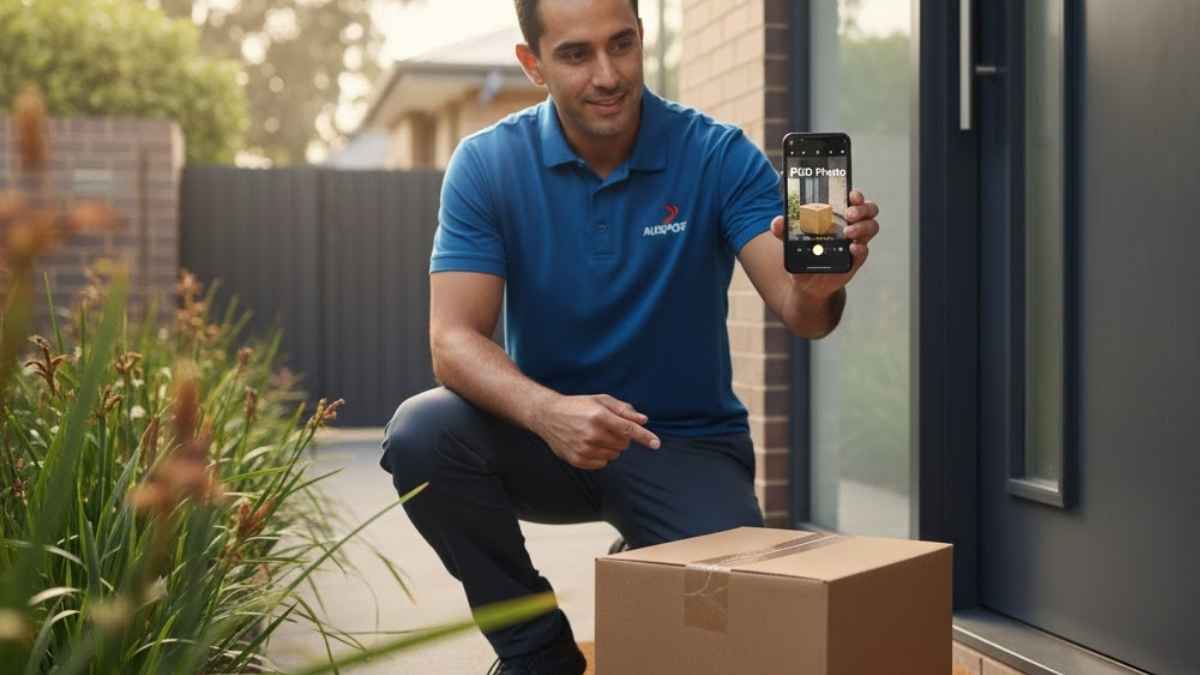
- Photographic evidence: Drivers photograph the package at its delivery location, showing the customer exactly where their order was placed. This is essential for contactless deliveries and leave-at-door scenarios where the customer is not present.
- Electronic signatures: When a recipient is present, they sign on the driver's device, creating a timestamped digital record stored centrally and accessible to your entire team.
- GPS-stamped timestamps: Each delivery is recorded with the exact time and location, creating an indisputable record that can be referenced in any dispute.
- Custom fields: Depending on your business, you may need to record additional information at the point of delivery, such as the condition of the goods, the person who received them, or any special instructions that were followed.
Proof of delivery benefits both your business and your customers. Your team can resolve disputes in minutes rather than days. Customers gain confidence that their orders are handled with care and accountability, even when they are not home to receive them personally.
4. Provide Instant and Easy Opportunities for Feedback
Have you ever delivered an order that went perfectly, only to discover a one-star review online a week later because of a minor issue the customer never mentioned directly? Without a private feedback channel, customers default to public review platforms to share their experience, and by then, the opportunity to resolve the issue has passed.
A driver rating and feedback system gives customers an immediate, private way to share their experience right after delivery. The customer receives an SMS link, taps a rating, and optionally adds a comment. The entire process takes less than 30 seconds.
This simple mechanism provides outsized value:
- Intercept negative experiences before they go public: When a customer shares negative feedback privately, you have the opportunity to contact them directly, acknowledge the issue, and offer a resolution. Many customers who would have left a public review will not bother once they feel heard.
- Identify systemic issues: Individual complaints are noisy. But when you aggregate feedback across hundreds of deliveries, patterns emerge. If customers in a specific area consistently rate delivery timing poorly, you know to investigate route planning for that zone.
- Motivate and coach drivers: Positive feedback is a powerful motivator. Sharing customer compliments with drivers reinforces good behaviour and builds pride in their work. Negative feedback, when delivered constructively, provides specific coaching opportunities.
- Demonstrate customer-centricity: The act of asking for feedback signals to customers that you care about their experience and are committed to improvement. This perception of caring is itself a driver of satisfaction and loyalty.
Bringing It All Together
These four strategies are not independent improvements. They form an interconnected system where each element reinforces the others. Proactive communication reduces the need for customer-initiated inquiries. Accurate ETAs reduce missed deliveries. Proof of delivery resolves disputes efficiently. And customer feedback provides the intelligence needed to continuously improve all three.
Businesses that implement these capabilities consistently report higher customer retention rates, lower support costs, and stronger online reputations. The delivery is often the only physical interaction a customer has with your brand. Making it a positive experience is one of the highest-return investments you can make.
How Locate2u Improves Delivery Satisfaction
Locate2u provides all four capabilities in a single delivery management platform. Automated notifications keep customers informed about their delivery status. Real-time tracking and dynamic ETAs give customers visibility and control. Digital proof of delivery captures photos, signatures, and timestamps at every stop. And an integrated feedback system collects customer ratings immediately after delivery.
The platform is designed to scale with your business, whether you are managing five drivers or fifty. Learn what customers really want from delivery and how Locate2u helps you deliver it consistently.
Related Articles
Delivery Management Software Guide
This comprehensive guide to delivery management software guide is designed for warehouse coordinators who want to move beyond surface-level understanding....
The Future of Proof of Delivery Photos Signatures and Beyond
In the fast-moving world of delivery operations and management, future of proof of delivery photos signatures and beyond has emerged as a defining factor...

Proof of Delivery Defence Porch Pirates
In the fast-moving world of delivery operations and management, proof of delivery defence porch pirates has emerged as a defining factor for operational...