Why I Switched to a Transport Management System
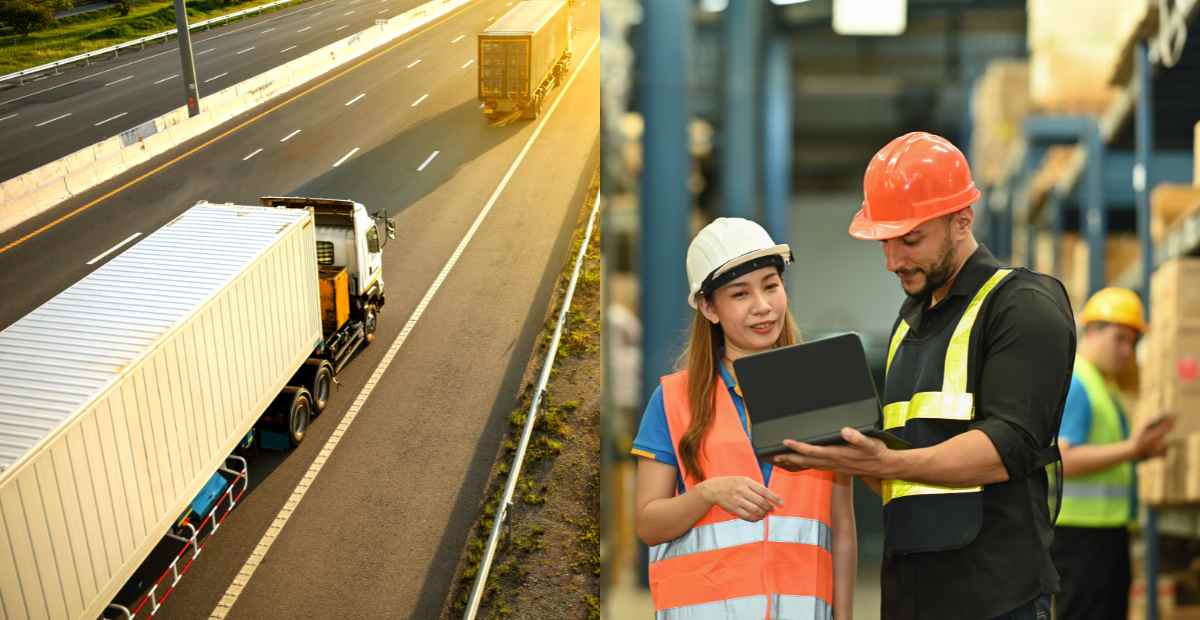
I used to think I had everything under control until I realised I did not. Managing a logistics operation without a Transport Management System (TMS) was an uphill battle that got steeper every month as our volume grew.
With years of industry experience and a team that knew the routes by heart, I was confident that manual processes were good enough. I was wrong. If you have ever dealt with lost shipments, missing paperwork, and drivers who insist they are on schedule while customers tell you otherwise, this is the story of how technology turned our operation around.
Life Before a Transport Management System
Our company handled cargo coming from the port, loaded it onto trucks, and shipped it across the region. Some loads went to warehouses, some to distribution centres, and some straight to customers. The variety of destinations and the unpredictability of port schedules made planning a daily headache.
Here is what our operation looked like before we adopted a TMS:
- Manual dispatch consumed hours every morning. I would sit in the office staring at truck schedules, trying to match drivers to loads and sequence stops in a sensible order. There was no visibility into real-time conditions, so the plan was based on assumptions that frequently proved wrong.
- Drivers chose their own routes. Without optimised routing, drivers relied on their personal preferences and habits. Some routes were reasonable; others created bottlenecks, especially during peak traffic. Fuel costs were unpredictable and consistently higher than they should have been.
- Customer communication was reactive. When a client called asking where their cargo was, I often could not give a definitive answer. I would phone the driver, wait for a callback, and then relay the information. This process was slow, frustrating for the customer, and made our company look disorganised.
- Paperwork went missing regularly. Delivery confirmations, bills of lading, and proof of delivery documents were handled on paper. Drivers would lose them, forget to collect signatures, or hand in illegible copies. Resolving disputes without proper documentation was a constant headache.
Industry reports indicate that logistics companies relying on manual processes spend up to 40 percent more on administrative tasks compared to those using a TMS. Looking back, that figure aligns with our experience.
What Changed When We Switched
Complete Fleet Visibility
The most immediate change was visibility. From day one with the TMS, I could see where every truck was on a live map. No more calling drivers to check their location. No more guessing whether a delivery was on time or running late.
Real-time tracking gave our team a single source of truth. When a customer called, we could provide an accurate ETA within seconds. That alone transformed our client relationships and reduced complaint calls significantly.
Optimised Routes That Saved Fuel
The TMS calculated optimised routes based on traffic patterns, distance, delivery windows, and vehicle capacity. Drivers no longer chose their own paths; instead, they followed data-driven routes that minimised driving time and fuel consumption.
The results were measurable within the first month. Our fuel costs dropped, delivery times improved, and drivers reported less frustration from sitting in avoidable traffic. One driver told me it was like someone had removed the roadblocks from his daily commute.
Automated Documentation
The switch to digital proof of delivery was a game-changer for our administrative team. Drivers captured electronic signatures and photos on their phones at the point of delivery. Documents synced automatically to the central system, so nothing was lost or misplaced.
This eliminated the paper trail that had caused so many problems. When a dispute arose, we could pull up the delivery record instantly, complete with timestamp, GPS coordinates, photo evidence, and the recipient's signature. The days of rifling through filing cabinets were over.
Seamless System Integration
Our TMS integrated with our existing ERP and Warehouse Management System. Order data flowed directly from the warehouse into the transport planning module, eliminating manual data entry and the errors that came with it. Invoicing became faster because delivery confirmations triggered billing automatically.
This level of integration reduced the administrative burden across multiple departments. The operations team spent less time chasing paperwork, the finance team had accurate records for billing, and the customer service team had the information they needed at their fingertips.
How Automation Transformed Daily Operations
Beyond the headline features, automation changed the culture of our operation. Here are the specific improvements we observed:
- Planning time dropped from hours to minutes. What used to take our dispatch team an entire morning was now completed in under ten minutes. The software handled the complex calculations and produced routes that outperformed anything we could build manually.
- Driver satisfaction improved. Drivers appreciated receiving clear, logical routes on their phones rather than vague instructions scribbled on paper. They finished their shifts on time more often, which improved morale and reduced turnover.
- Customer complaints decreased. With accurate ETAs, proactive notifications, and digital proof of delivery, the number of complaint calls dropped sharply. Customers felt informed and in control, which built trust and loyalty.
- We could take on more business. The efficiency gains meant our existing fleet could handle more loads per day. We grew our client base without immediately needing to add vehicles or hire more drivers.
Common Concerns About Making the Switch
When I talk to other logistics operators about adopting a TMS, I hear the same concerns I had before making the switch:
- It is too expensive: The upfront cost is real, but the savings in fuel, overtime, administrative time, and customer retention more than offset it. In our case, the system paid for itself within the first quarter.
- Our drivers will resist it: Some of our most experienced drivers were sceptical at first. But once they saw the benefits, like clearer instructions, less back-and-forth with the office, and no more lost paperwork, they became advocates for the system.
- Our operation is too small: Even a fleet of three to five vehicles benefits from optimised routing and digital tracking. The smaller the team, the more impact each efficiency gain has on your bottom line.
- We do not have the technical skills: Modern TMS platforms are designed for logistics professionals, not IT specialists. If your team can use a smartphone, they can use a driver app.
Should You Make the Switch?
If you are spending your mornings manually building routes, calling drivers to check their location, or apologising to customers about late deliveries, a TMS will address every one of those problems. See how Franz Building Supplies eliminated delivery disputes with Locate2u.
Making the switch was the best decision our team ever made. The technology did not replace our expertise; it amplified it. We still brought our knowledge of the routes, the clients, and the industry. The system just gave us better tools to execute on that knowledge.
Locate2u provides the core capabilities of a transport management system, including route optimisation, live fleet tracking, digital proof of delivery, and a mobile driver app, in a platform built specifically for growing logistics operations. Learn more about how a TMS can boost your business.
Related Articles
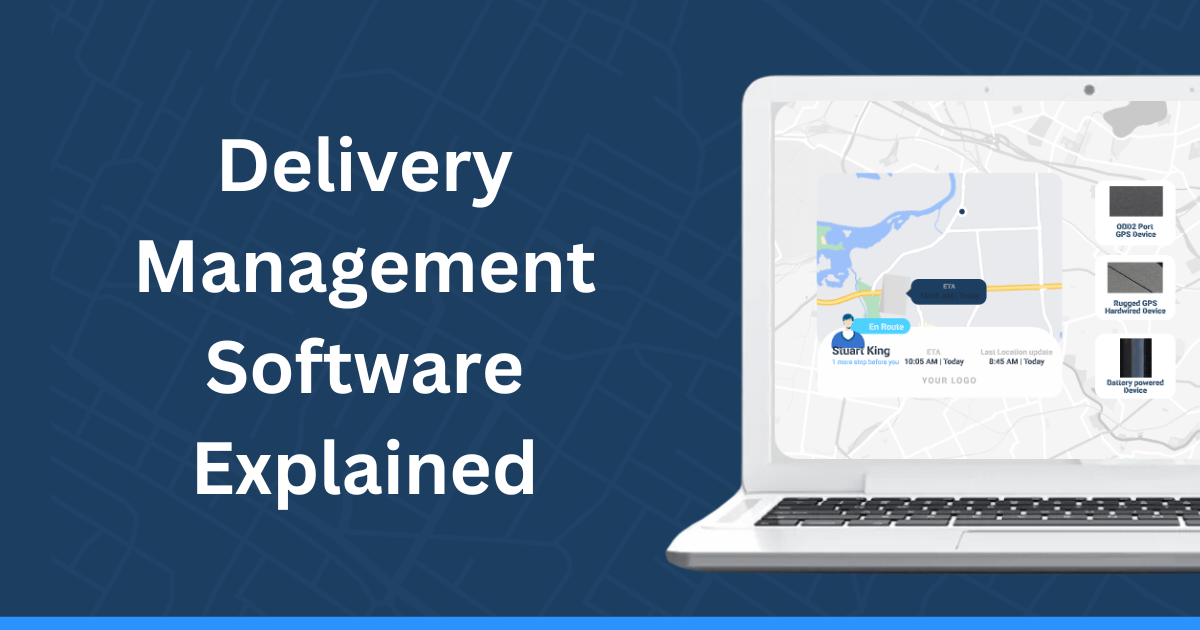
Delivery Management Software Guide
This comprehensive guide to delivery management software guide is designed for warehouse coordinators who want to move beyond surface-level understanding....
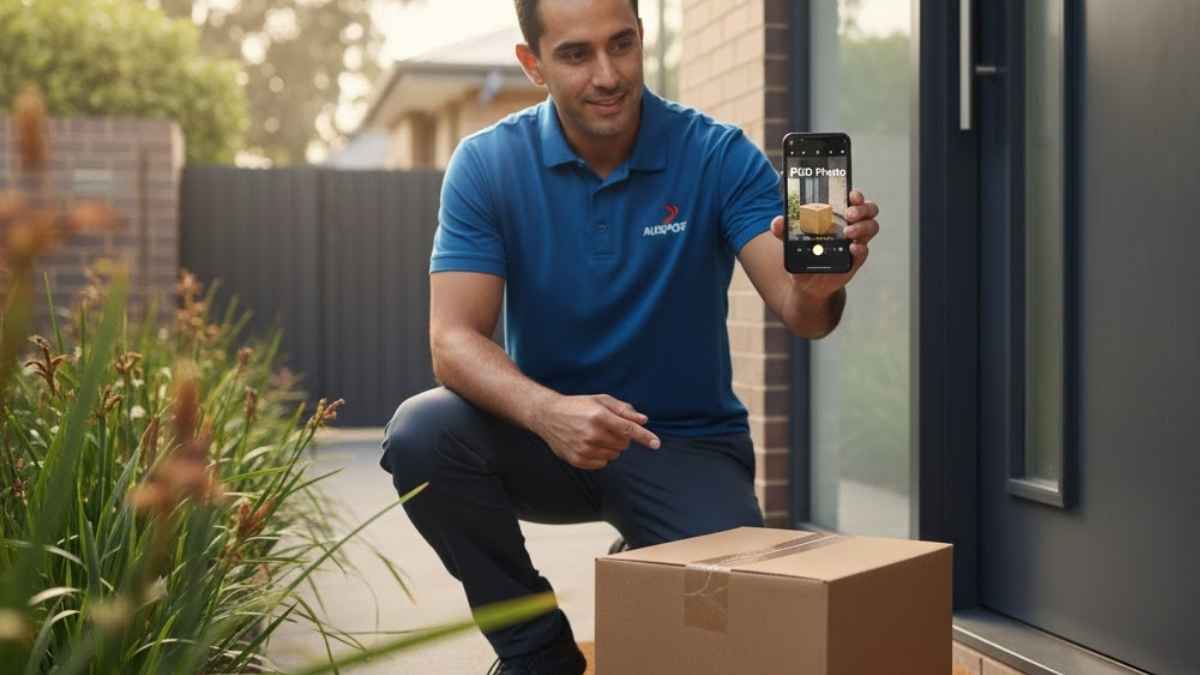
The Future of Proof of Delivery Photos Signatures and Beyond
In the fast-moving world of delivery operations and management, future of proof of delivery photos signatures and beyond has emerged as a defining factor...

Proof of Delivery Defence Porch Pirates
In the fast-moving world of delivery operations and management, proof of delivery defence porch pirates has emerged as a defining factor for operational...