Pros and Cons of Diy Delivery
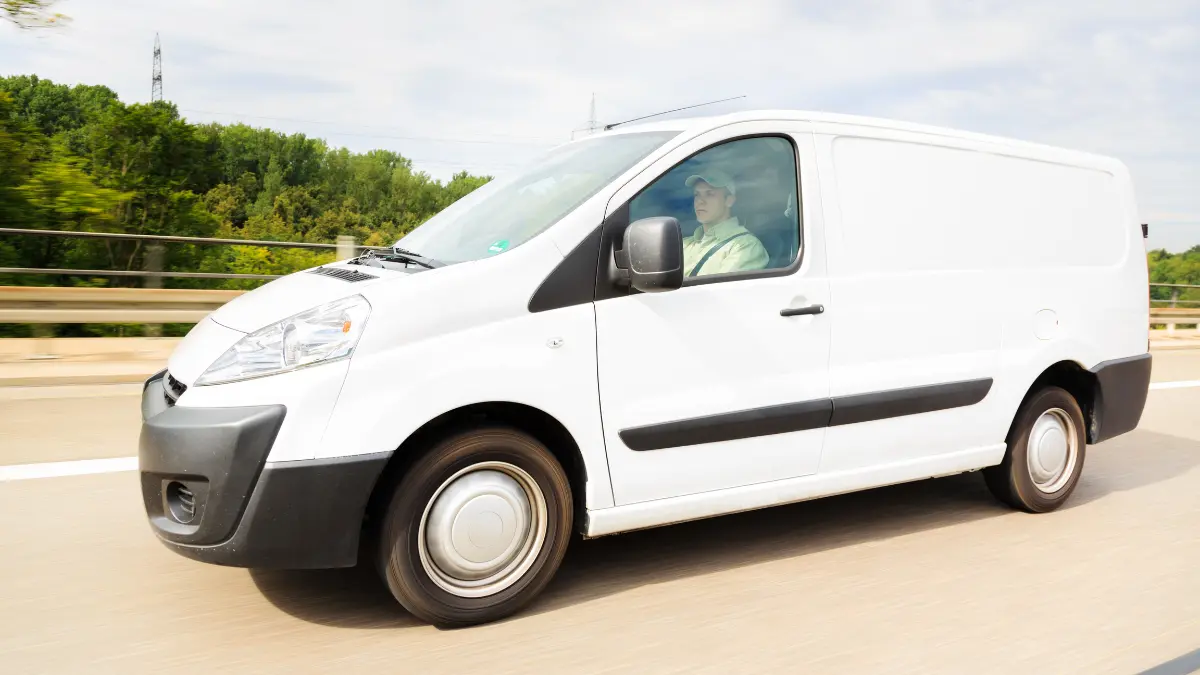
If you want something done right, sometimes you have to do it yourself. Outsourcing deliveries to a third-party service might seem like the easiest option, but it comes with risks: poor customer interactions, damaged parcels, lack of visibility, and a delivery experience you cannot control. Your delivery driver is often the only person from your business that a customer ever meets face to face, so handing that interaction to an external party is a significant brand decision.
DIY delivery, where you manage your own fleet and drivers, gives you end-to-end control over the customer experience. But it also introduces costs and complexities that you need to plan for. Industry data suggests that over 40 percent of small and medium businesses that switched to in-house delivery reported improved customer satisfaction within the first six months, but the transition requires the right tools and processes to work.
This article breaks down the genuine pros and cons of DIY delivery so you can make an informed decision for your business.
The Pros of DIY Delivery
Complete control over the customer experience
When you manage your own deliveries, you control every touchpoint from the moment an order is packed until it reaches the customer's door. You decide how parcels are packaged, how drivers present themselves, and how issues are handled when they arise.
This control extends to customer communication. You can send branded tracking notifications, offer personalised delivery options, and follow up after delivery to collect feedback. With a third-party service, these interactions are generic at best and non-existent at worst.
You also gain the ability to respond to problems immediately. If a customer reports a damaged item or a missed delivery, your team can investigate and resolve it directly rather than waiting for a third party to acknowledge the issue through their own support channels.
Better communication with your drivers
Your drivers are your front-line representatives. When they work for you directly, you can hire them based on your values, train them to your standards, and maintain a direct communication channel throughout every shift.
This direct relationship means you can provide real-time instructions, relay customer-specific delivery notes, and address performance issues immediately. With a driver app, you have full visibility over each driver's location and progress, enabling your dispatch team to make adjustments on the fly.
Third-party services manage hundreds or thousands of drivers across multiple clients. Your specific requirements are just one set among many, and the level of individual attention your deliveries receive will always be limited.
Brand consistency at the doorstep
The delivery moment is the final impression your customer has of your brand. A driver wearing your branded uniform, handling parcels with care, and following your specific delivery protocols reinforces the quality your customer expects. Third-party drivers juggling multiple clients in a single shift simply cannot provide that same level of brand consistency.
For businesses where the unboxing or delivery experience is part of the product, such as premium food delivery, floral arrangements, or high-value retail, DIY delivery is often essential rather than optional. See how Husk Bakery increased deliveries by 30% with Locate2u.
Valuable operational data
When you manage your own deliveries, you own all the data: route performance, delivery times, driver efficiency, customer feedback, and failure rates. This data is invaluable for continuous improvement. You can identify bottlenecks, optimise routes, and make staffing decisions based on actual performance metrics rather than the limited reporting a third-party provider shares with you.
The Cons of DIY Delivery
Higher upfront costs
Running your own delivery operation requires investment. Vehicles, insurance, fuel, maintenance, and driver wages all add up. For a small business, these costs can be significant compared to the per-delivery fee charged by a third-party service.
Vehicle costs alone can represent a major capital outlay. A commercial van, insurance, registration, and initial maintenance setup can cost tens of thousands of dollars before you complete a single delivery. Leasing can reduce upfront costs, but monthly payments still add to your fixed overheads.
For very small businesses with low delivery volumes, the economics may favour outsourcing until volume grows to a level where in-house delivery becomes cost-effective. The breakeven point varies by industry and geography, but many businesses find that once they exceed 20 to 30 deliveries per day, in-house operations become financially viable.
Route planning complexity
Planning efficient delivery routes is far more complex than most business owners anticipate. You need to account for driver availability, vehicle capacity, time windows, traffic patterns, stop sequencing, and dozens of other variables. Done manually, this process takes hours and is highly prone to errors that waste fuel and time.
Fortunately, this is one of the most solvable challenges. Route optimisation software can generate efficient multi-stop routes in seconds, taking all variables into account. What once required an experienced logistics planner working for hours can now be accomplished by the software before your drivers start their shift.
Driver management overhead
Managing drivers means handling recruitment, training, scheduling, performance reviews, and the inevitable HR issues that come with employing people directly. You also need to ensure compliance with workplace health and safety regulations, vehicle roadworthiness requirements, and any industry-specific certifications.
This management overhead is real and should not be underestimated. However, the right technology significantly reduces the administrative burden. A platform that handles route planning, dispatching, driver performance tracking, and customer notifications in one place keeps the management workload manageable even for small teams.
Scaling challenges
When demand spikes during peak seasons, scaling an in-house fleet quickly can be difficult. You cannot add vehicles and trained drivers overnight. Some businesses address this by maintaining a core in-house fleet for regular volume and partnering with a third-party service for overflow during peak periods. This hybrid model captures the benefits of DIY delivery for most of the year while maintaining flexibility for demand surges.
DIY Delivery With Locate2u
The technology gap is the biggest factor that determines whether DIY delivery succeeds or struggles. Without the right tools, in-house delivery can feel overwhelming. With the right platform, it becomes a competitive advantage.
Locate2u is a delivery management platform built specifically to help businesses manage their own deliveries efficiently. The platform handles route optimisation, real-time GPS tracking, automated customer notifications, proof of delivery, and driver management in a single system.
With Locate2u, the complexities of DIY delivery, from route planning to customer communication, are handled by software rather than spreadsheets and phone calls. Your drivers get clear, optimised routes on their phone. Your customers get accurate ETAs and live tracking. And your business gets the data and visibility needed to improve operations continuously.
Whether you are making the switch from a third-party service or setting up delivery operations for the first time, having the right technology in place from day one makes DIY delivery far more achievable than most businesses expect.
Related Articles
Last Mile Delivery Communication 10 Practical Fixes to Stop Missed Updates
In the fast-moving world of last mile delivery operations, last mile delivery communication 10 practical fixes to stop missed updates has emerged as a...
Improve Last Mile Delivery Without More Vehicles
In the fast-moving world of last mile delivery operations, improve last mile delivery without more vehicles has emerged as a defining factor for...
Last Mile Delivery Explained the Basics and Beyond
In the fast-moving world of last mile delivery operations, last mile delivery explained the basics and beyond has emerged as a defining factor for...